The Story
Why it exists.
The beginning
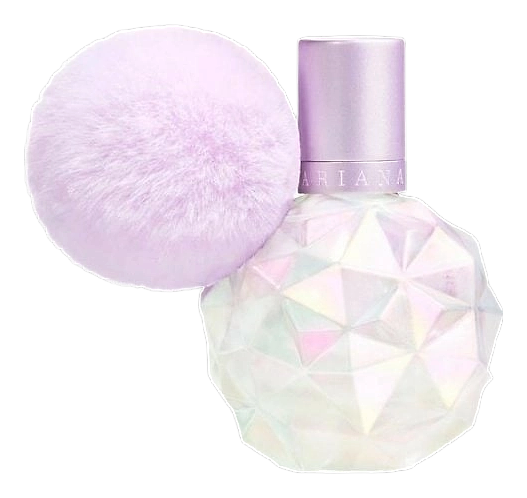
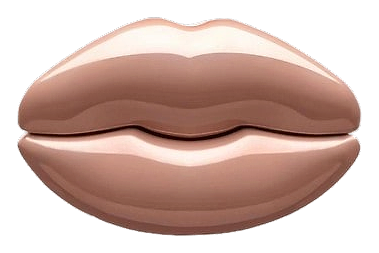
Opal Mood arrived in 2021, developed by perfumer Nicole Mancini Issaq for KKW Fragrance. The concept was simple: a scent that shifts the way opal does, different angles, different light, always luminous. The brief called for tropical fruit and white florals in conversation, anchored by something warm enough to last. That balance between bright opening and intimate drydown is where most fruity-florals stumble. Here, it was the whole point.
The jasmine absolute Orpur used in the heart is a higher-grade jasmine extract, more nuanced than the norm, less heady, more velvet. Paired with honeysuckle nectar and Karmaflor, a Givaudan proprietary accord that brings a green, slightly spiced floral character, the heart of this fragrance earns complexity points most fruity-florals skip entirely. It's what separates "beautiful" from "interesting."
The evolution
The opening hits immediately. Dewy melon, bergamot, and white currant, juicy without being sticky, bright without being sharp. It reads like fruit just washed and still holding water. The bergamot gives it a clean citrus edge that prevents the melon from cloying, even in heat. Within thirty minutes, honeysuckle and jasmine absolute take over, the honeysuckle first, slightly indolic and lush, the jasmine following with its characteristic solar warmth. The drydown is where Opal Mood earns its name. Sandalwood and white amber create a soft creaminess that doesn't announce itself, it just stays, close to skin, for six to eight hours on most. Cedar arrives last, quiet and woody, keeping everything grounded. On fabric, the musks linger into the next day.
Cultural impact
Celebrity fragrances reshaped how mainstream audiences engage with luxury perfumery, and KKW Fragrance represented a high-water mark for that phenomenon. Kim Kardashian's brand leveraged her massive cultural footprint to create scents that felt aspirational yet within reach for many fans. Opal Mood arrived during a period when fruity-floral fragrances dominated popular preference, appealing to those drawn to bright, sweet compositions. The fragrance's positioning as an accessible luxury item reflected broader shifts in how celebrity branding intersected with beauty culture. Its marketing and packaging reflected the aesthetic values of the late 2010s, emphasizing soft colors, feminine energy, and Instagram-ready presentation.