Kiwi blossom
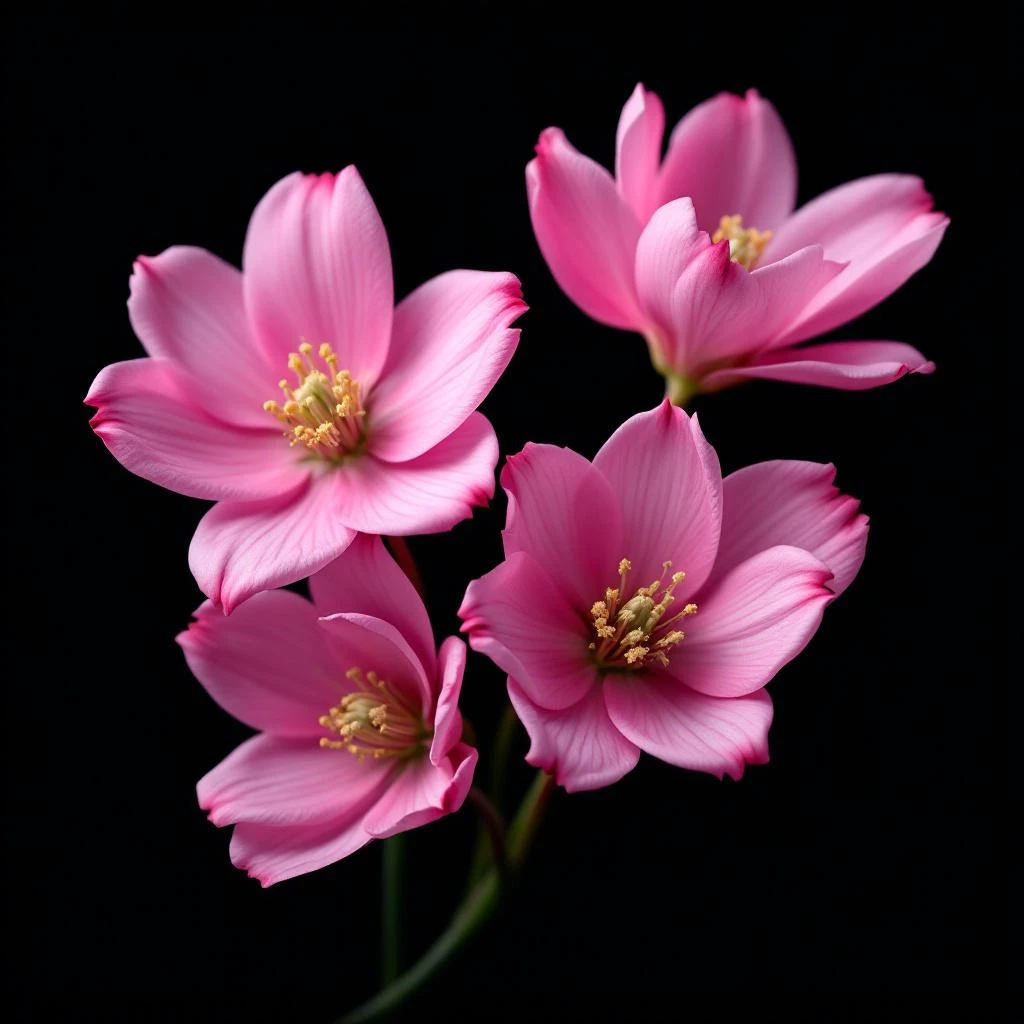
Kiwi blossom brings a delicate, green-floral character to perfumery, offering whispered sweetness with dewy, slightly honeyed undertones rarely found in nature.
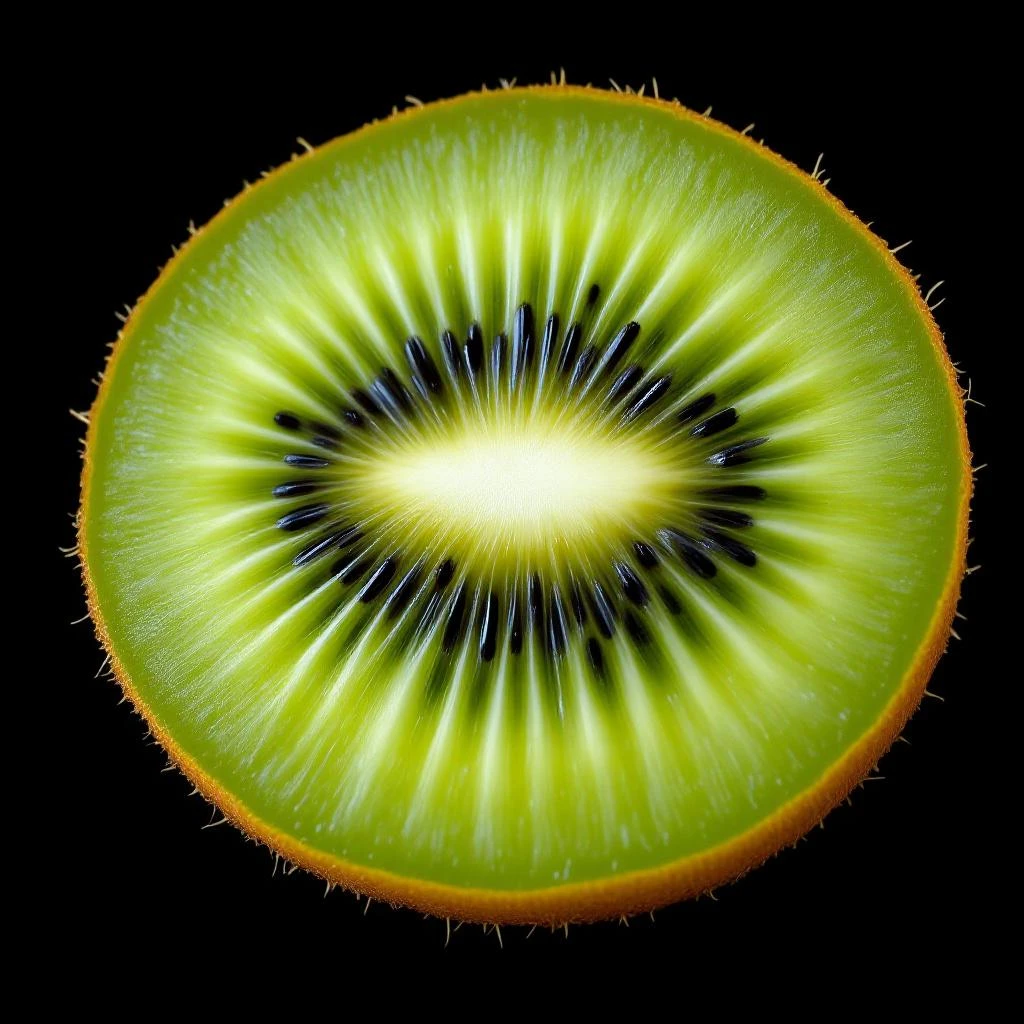
Character
How it smells
Green florals from a beloved fruit's humble flower.
The kiwi fruit earned its English name because its brown, fuzzy exterior reminded New Zealanders of their iconic flightless bird.


Origin
China
The kiwi plant, Actinidia deliciosa, traces its roots to the Yangtze River valley in central China, where it was documented as early as the 12th century as a medicinal and ornamental species. European botanists encountered the vine during the late 19th century, though commercial cultivation remained limited.
The plant arrived in New Zealand around 1906, where growers recognized its commercial potential. The export fruit was rebranded from 'Chinese gooseberry' to 'kiwi' in the 1950s, adopting the name of New Zealand's national bird.
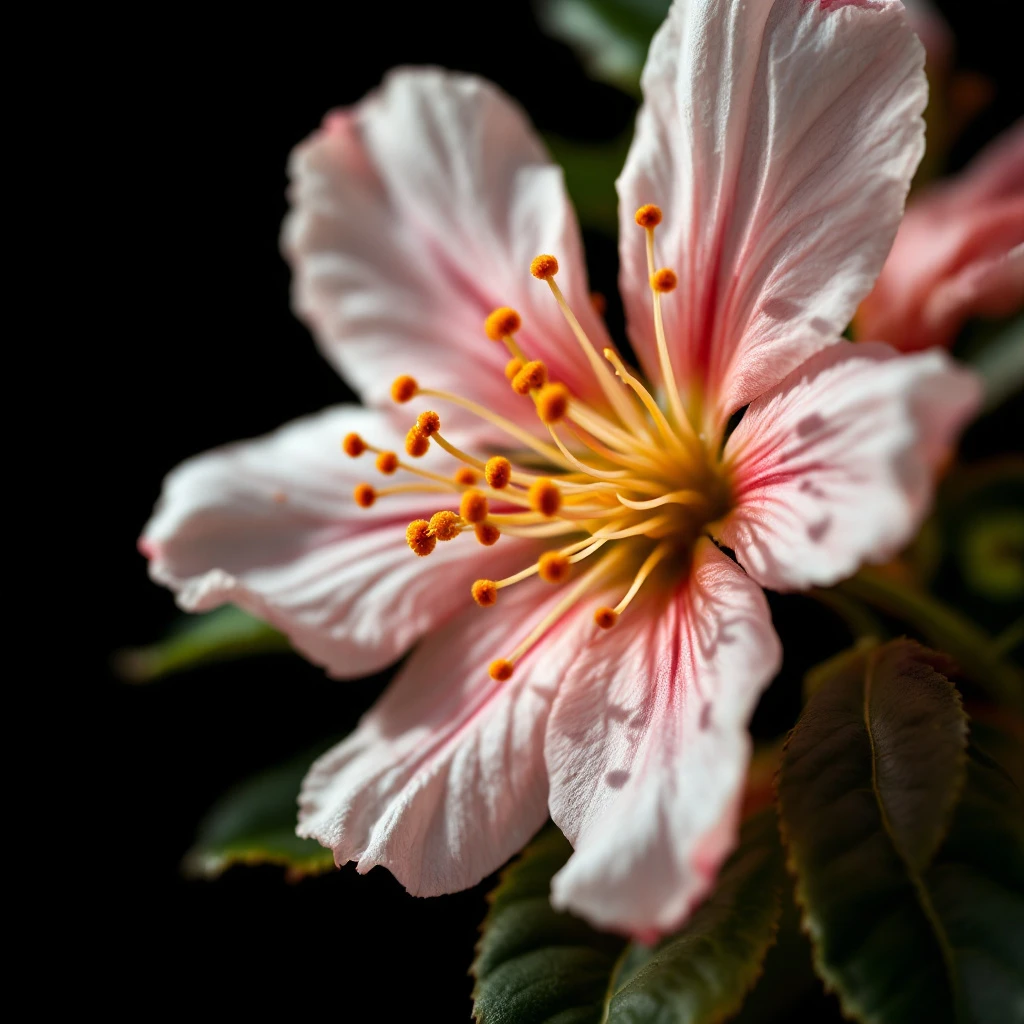
While the fruit became globally beloved, the small cream-colored blossoms, which bloom briefly in spring and emit a subtle honey-jasmine fragrance to attract pollinators, never became a traditional perfumery material. The kiwi blossom note emerged in fine fragrance during the 1990s and 2000s as synthetics advanced, allowing perfumers to capture this ephemeral flower's character for modern green and fruity compositions.
Wears it best
Fragrances featuring Kiwi blossom
Brands
Brands known for Kiwi blossom
Good to know
Questions, answered
The essentials on Kiwi blossom in perfumery: how it smells, where it comes from, and how it behaves on skin.
Is kiwi blossom a natural fragrance ingredient?
No, kiwi blossom does not exist as a natural perfumery material. Modern perfumers create this note synthetically using aroma chemicals like dihydroisojasmonate and cis-3-hexenyl derivatives to reconstruct the flower's green-floral profile.
What does kiwi blossom smell like?
Kiwi blossom offers a delicate green-floral scent with soft honeyed undertones, subtle dewiness, and faint fruity whispers reminiscent of the ripened fruit. It reads as fresher and more floral than the actual fruit.
Why are synthetic materials used for kiwi blossom?
The blossoms contain low concentrations of aromatic compounds and degrade quickly during extraction attempts. Synthetics provide consistent, sustainable replicates without the harvest timing pressures of true botanical extraction.
Where does the kiwi plant originate?
Actinidia deliciosa is native to the Yangtze River valley in central China, where wild vines have grown for centuries. The species was first documented in Chinese texts from the 12th century.
When did kiwi blossom enter fine fragrance?
Kiwi blossom accords became common in perfumery during the 1990s and early 2000s, aligning with consumer preference for fresh, green, and fruity fragrance profiles in that era.
What fragrance families use kiwi blossom?
Kiwi blossom appears primarily in green and fruity chypre compositions, bright florals, and modern aquatic or ozonic fragrances where it adds a fresh, dewy floral lift without heaviness.
Does kiwi blossom occur in nature as an extract?
No commercial extraction of kiwi blossom exists. Attempted solvent extraction yields negligible aromatic material, making natural kiwi blossom oil nonexistent in the fragrance industry.
What key molecules create the kiwi blossom effect?
Dihydroisojasmonate provides the sweet green-floral backbone, while cis-3-hexenyl acetate contributes the characteristic fresh-cut leaf note. Phenyl acetaldehyde derivatives add honeyed depth to the accord.




