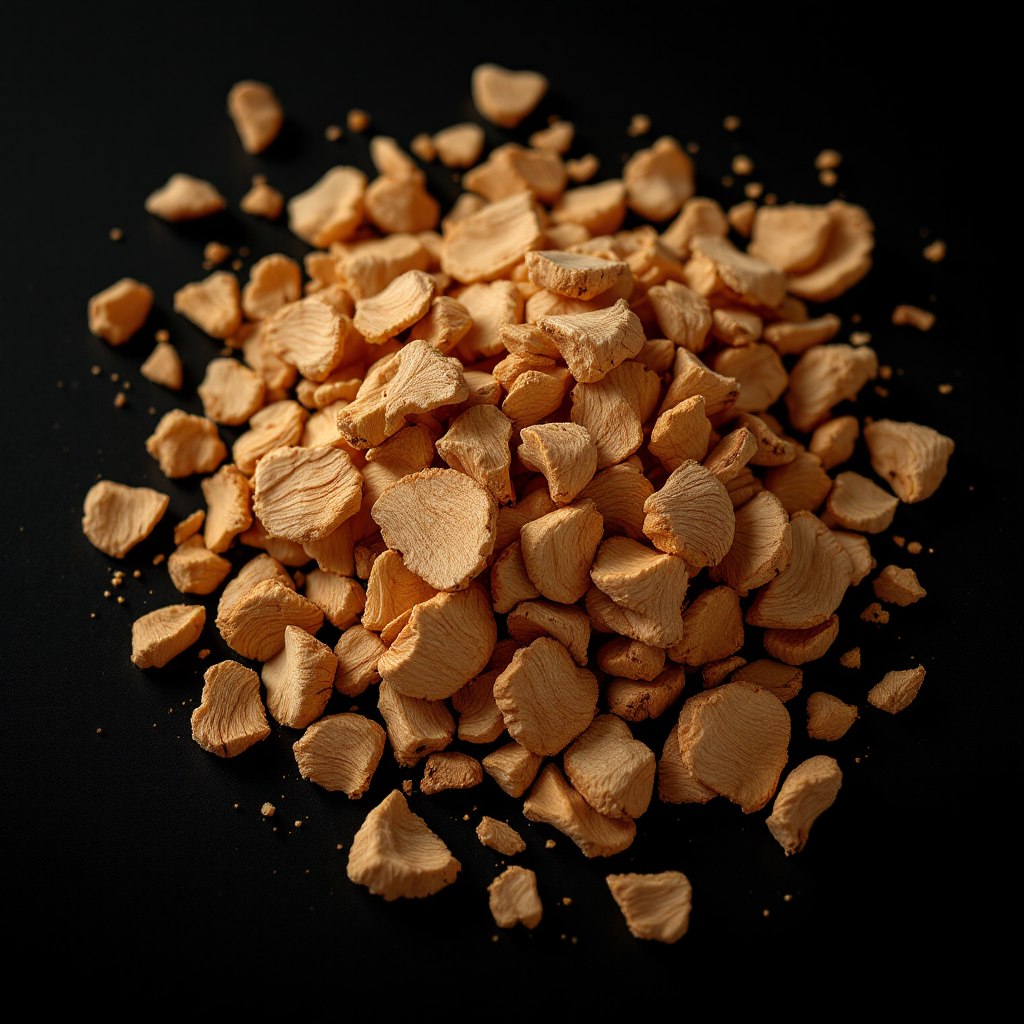
Africa Wenge Wood
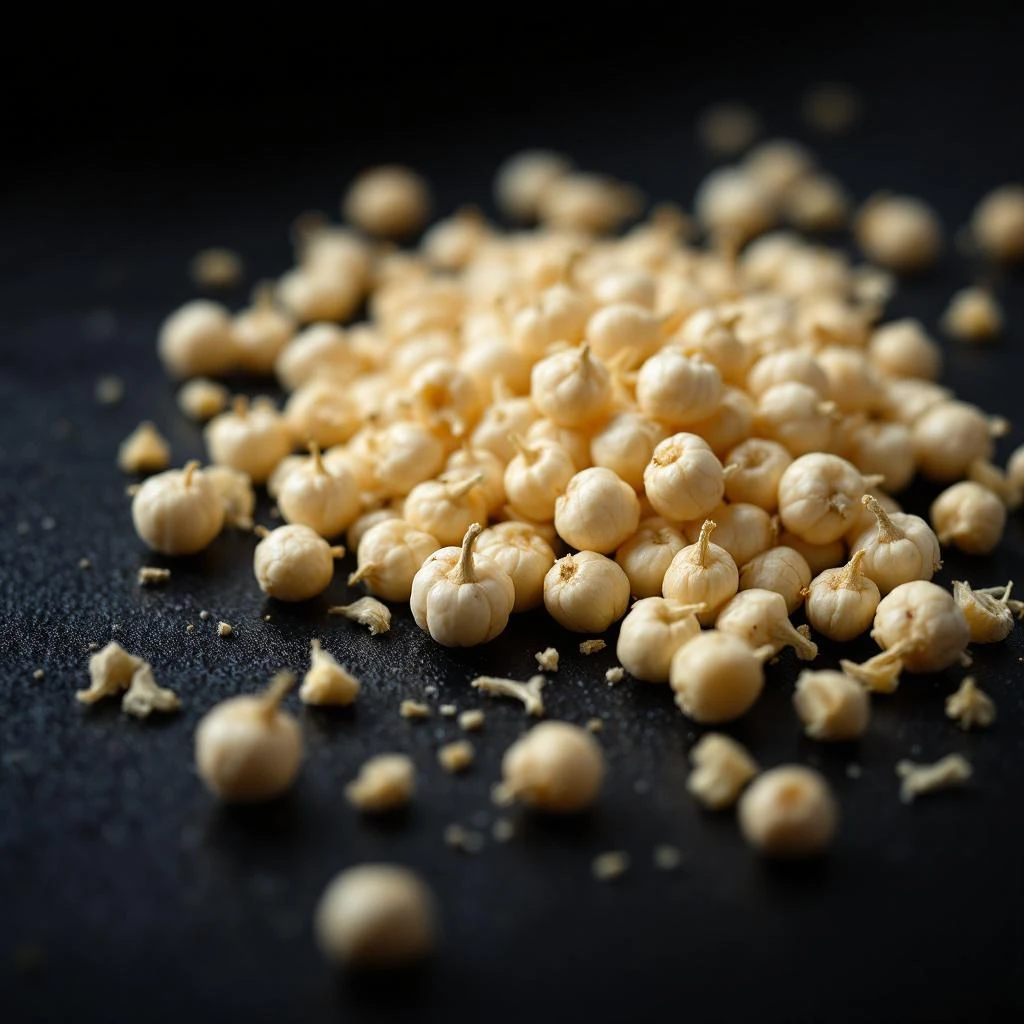
Wenge wood delivers a dry, intensely warm woody aroma with powdery, slightly bitter undertones. The dark heartwood of Millettia laurenii yields a rich extract prized in modern perfumery for its depth and versatility. Native to Central Africa, wenge oil blends seamlessly with oriental and woody compositions.
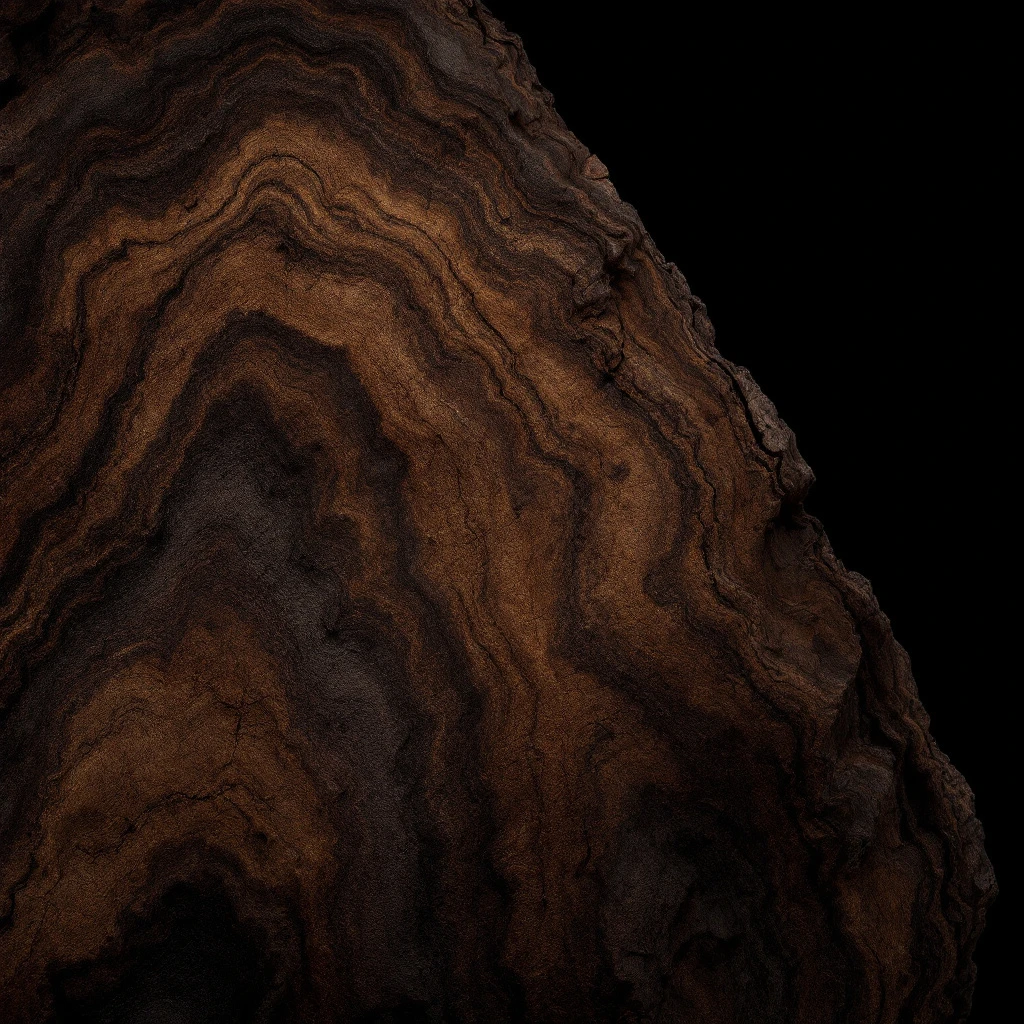
Character
How it smells
Dry, warm, intensely woody.
Millettia laurenii grows up to 30 meters tall in the Congo Basin, and its dense heartwood sinks in water.






Origin
Democratic Republic of the Congo
Wenge has served Central African communities for centuries as a premium hardwood material. Furniture makers, instrument builders, and carpenters in the Congo Basin have prized the wood for its exceptional durability and striking dark grain.
While less celebrated in ancient perfumery texts than frankincense or myrrh, African woodworking traditions recognized the aromatic qualities of freshly worked wenge wood. The species thrives in the humid tropical forests spanning the Democratic Republic of Congo, Cameroon, and surrounding nations.
Modern perfumers began exploring wenge as a perfumery raw material in the late 20th century as interest in authentic African ingredients grew. Today it represents one of the more distinctive contributions to the perfumer's palette from the African continent.
Wears it best
Fragrances featuring Africa Wenge Wood

Brands
Brands known for Africa Wenge Wood
Good to know
Questions, answered
The essentials on Africa Wenge Wood in perfumery: how it smells, where it comes from, and how it behaves on skin.
What does Africa Wenge Wood smell like?
Wenge wood offers a dry, warm woody aroma with powdery undertones and a slightly bitter edge. It registers as intensely aromatic and blends well with other base materials in oriental and woody fragrance compositions.
Is wenge wood used in high-end perfumery?
Wenge wood appears in niche and artisan fragrances as a distinctive base note. Its unique character makes it valuable for perfumers seeking authentic African woody accords beyond more common materials like sandalwood or cedar.
Where does wenge wood come from?
Millettia laurenii grows natively across Central Africa, with primary populations in the Democratic Republic of Congo, Cameroon, and surrounding nations. The species thrives in the humid tropical climate of the Congo Basin.
How is wenge wood oil produced?
Producers harvest the heartwood, chip it to maximize surface area, then run it through steam distillation. The process captures volatile aromatic compounds that would otherwise remain locked in the dense wood fibers.
What parts of the wenge tree are used for fragrance?
Only the heartwood yields useful aromatic material for perfumery. The outer sapwood contains minimal fragrance compounds, so producers focus exclusively on the dense central wood core.
Does wenge wood appear in traditional African fragrance practices?
African fragrance traditions historically favored resins like frankincense and myrrh. Wenge wood's use in perfumery emerged more recently as Western perfumers explored indigenous African raw materials more thoroughly.
How does wenge wood compare to other African woods like oud?
Wenge lacks the complex, animalic intensity of oud but offers a clean, dry woody signature. Perfumers often use it as a more accessible base note option in compositions that require authentic woody character.
What fragrance families pair well with wenge wood?
Wenge performs best in oriental, woody, and chypre compositions. It harmonizes with materials like vetiver, patchouli, and various resinous elements while adding distinctive African character to blends.