30-year Madagascar Vanilla
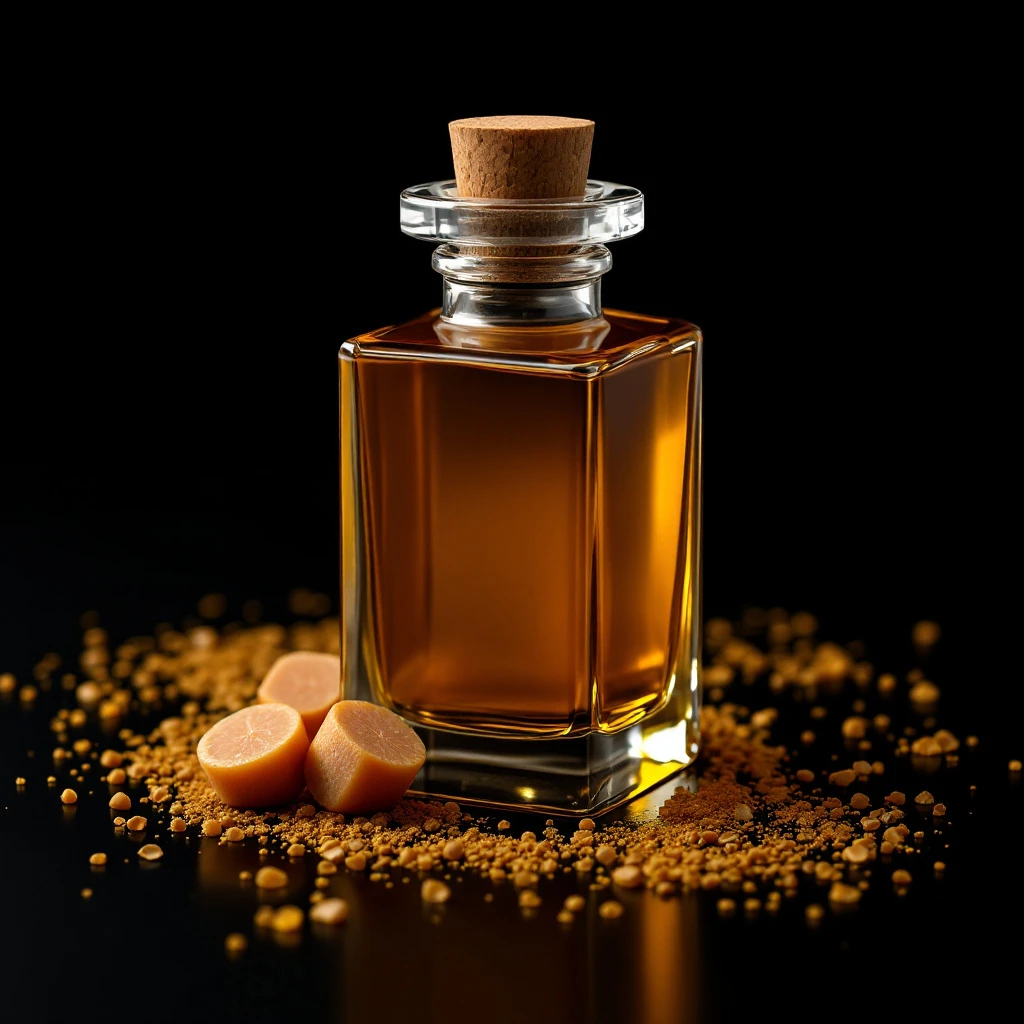
Thirty years of patience compressed into a single drop. Aged Madagascar vanilla absolute carries a depth no fresh extract can match: deeper caramel, rounder resin, smokier wood. A base note that anchors entire compositions in golden, slow-burn warmth.
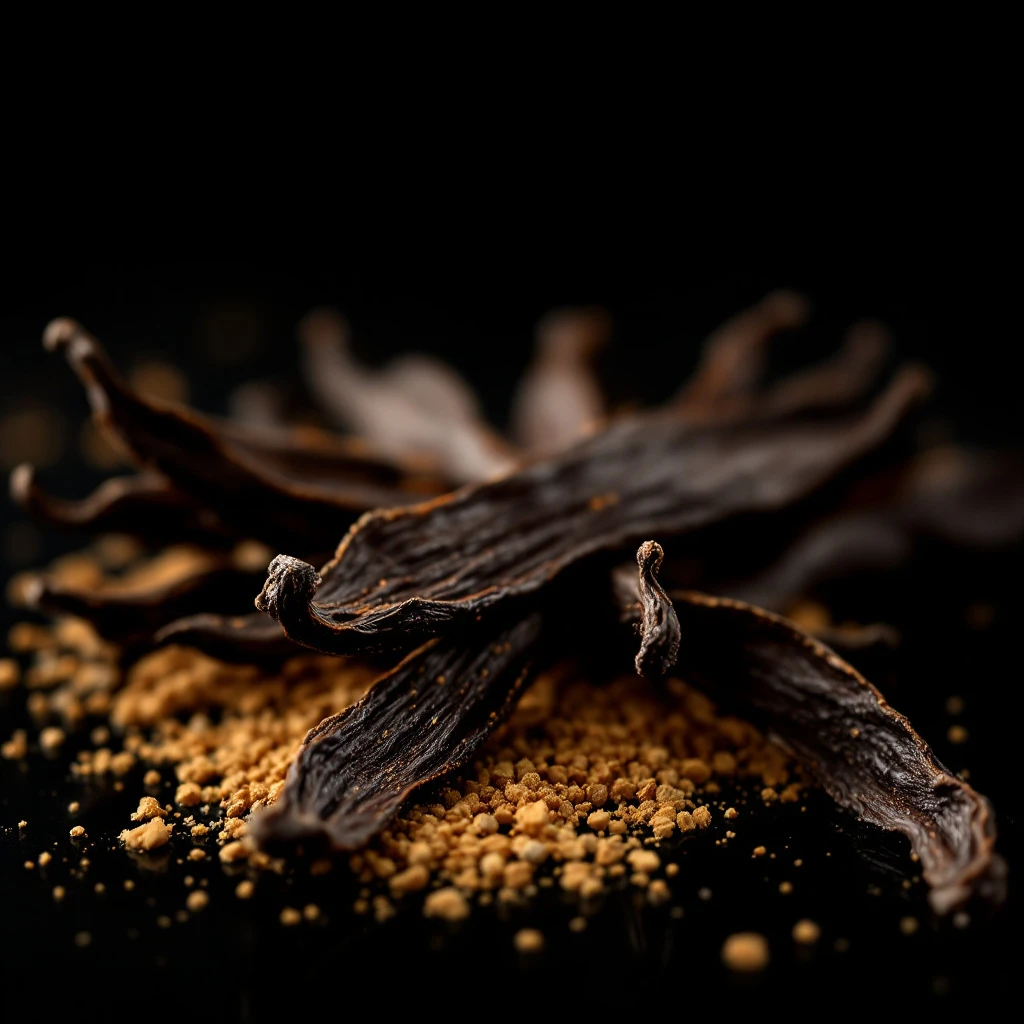
Character
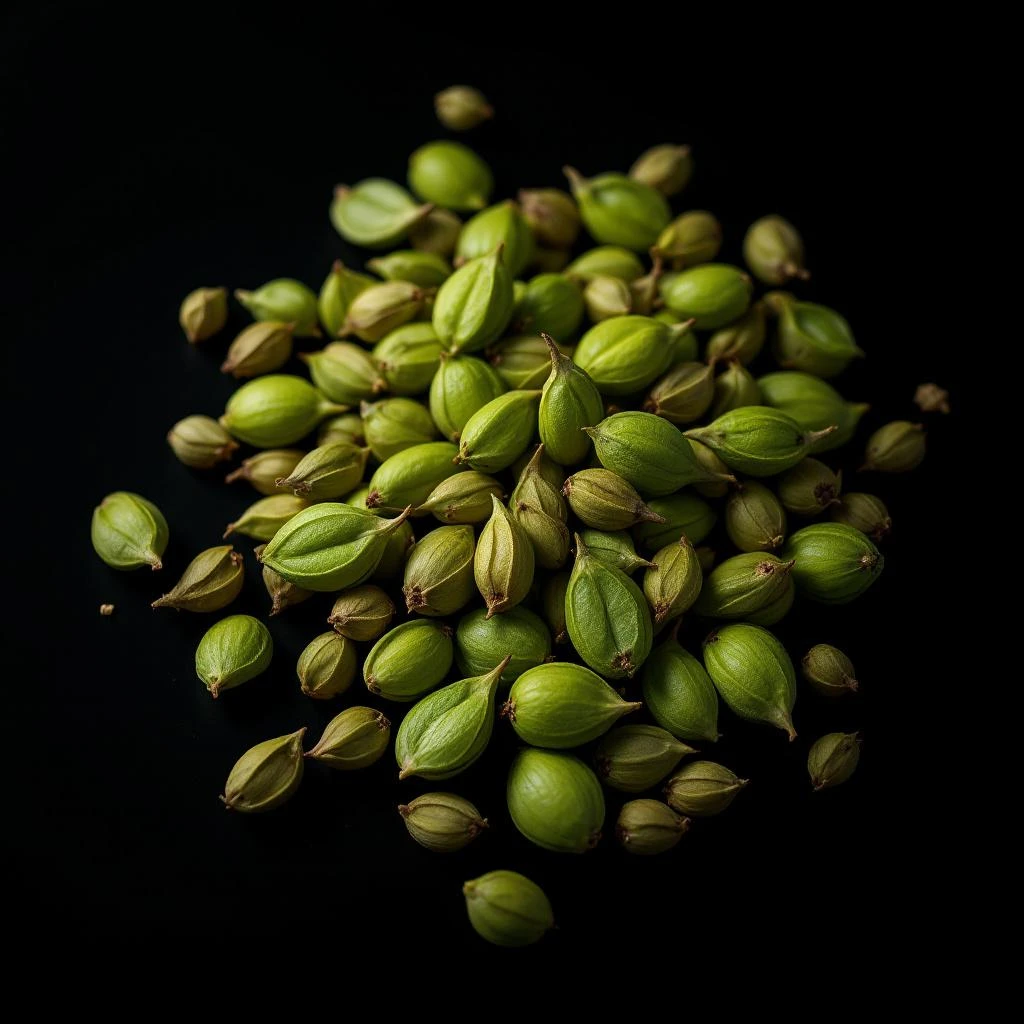
How it smells
Three decades of curing in every drop
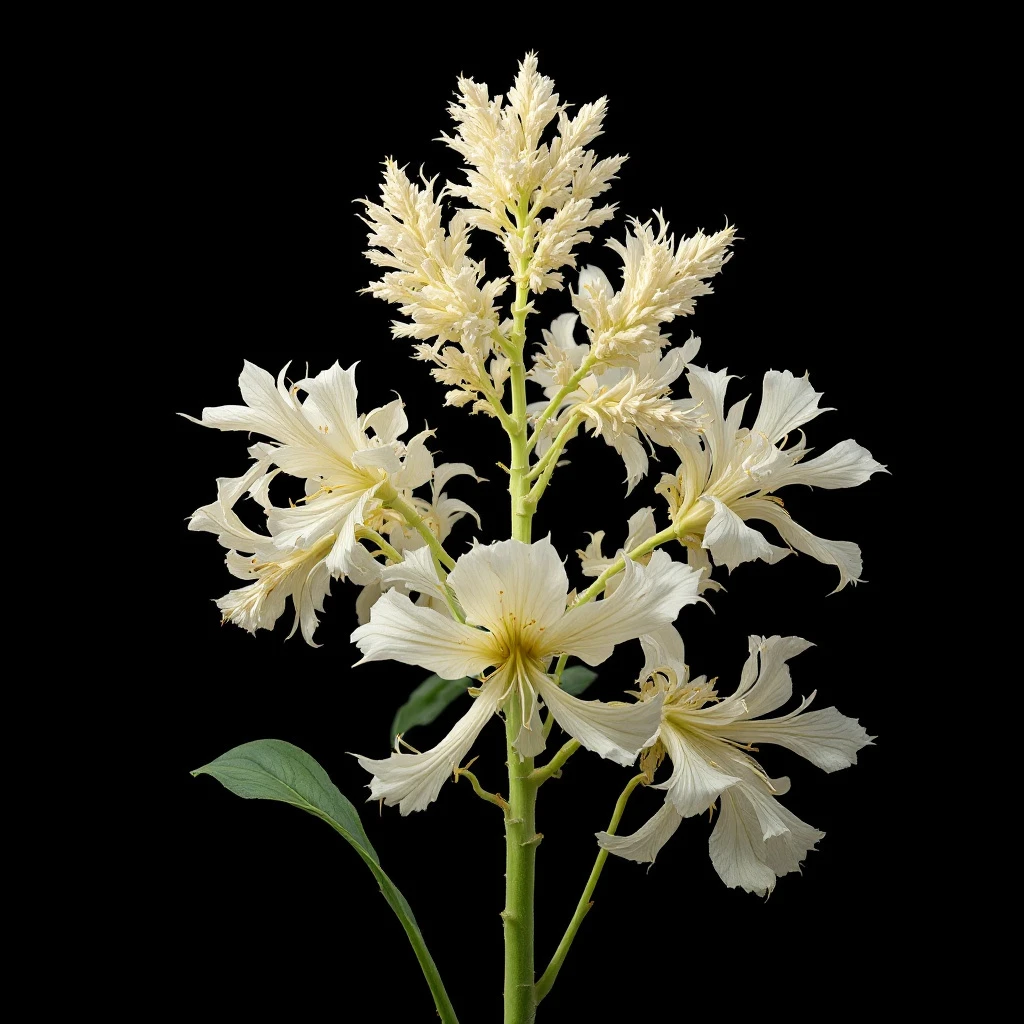
Madagascar produces roughly 80% of the world's vanilla, yet each pod is still hand-pollinated, one flower at a time, using a technique invented by a 12-year-old enslaved boy in 1841.


Origin
Madagascar
Vanilla arrived in Europe as a flavoring long before it became a perfumery note. The Aztecs had already cultivated it in Mesoamerica when Spanish conquistadors carried pods back in the 16th century. For three centuries afterward, all commercial vanilla came from Mexico, because the plant's only natural pollinator, the Melipona bee, refused to work elsewhere.
That changed in 1841, when Edmond Albius, a 12-year-old enslaved boy on the French island of Réunion, discovered that the vanilla orchid could be hand-pollinated with a simple blade of grass or bamboo needle. The technique spread rapidly, and by the late 1800s Madagascar and its neighboring territories had become the world's dominant source, a position the country still holds today. The cured beans from this region became known as Bourbon vanilla, after the old royal house rather than the spirit.
Vanilla absolute entered perfumery in the early 20th century as a base note and gourmand anchor, though it remained a background player for decades. The late 1990s marked the first fragrance to name Madagascar vanilla on its ingredient list, followed by three in the 2000s, then an explosion to around 60 launches in the 2010s. Today the number sits near 54 in the current decade, reflecting sustained demand. Aging selected lots for 20 or 30 years is a niche practice, driven by perfumers and collectors chasing the rounder, darker, more resinous character that only extended maturation produces.
Wears it best
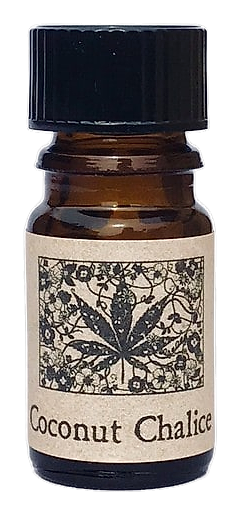
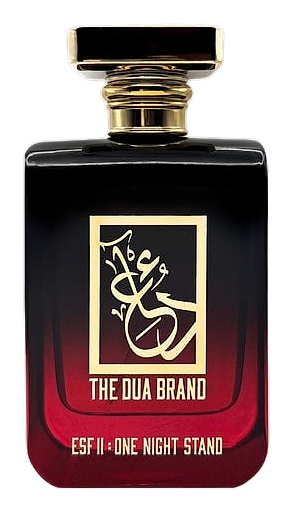
Fragrances featuring 30-year Madagascar Vanilla
Brands
Brands known for 30-year Madagascar Vanilla
Good to know
Questions, answered
The essentials on 30-year Madagascar Vanilla in perfumery: how it smells, where it comes from, and how it behaves on skin.
What does 30-year aged Madagascar vanilla smell like?
Aged Madagascar vanilla smells of deep caramel, dried tobacco, and burnished wood with a leathery warmth. Extended aging concentrates heavier aromatic compounds and softens the brighter sweetness found in younger extracts.
How is 30-year vanilla absolute made?
Producers age cured Bourbon vanilla pods from Madagascar's SAVA region in controlled storage for roughly three decades. The aged beans are then ground and macerated in ethanol to yield a dark, resinous absolute rich in vanillin and minor aromatic compounds.
Why is real vanilla so expensive?
Real vanilla is labor-intensive: each orchid flower must be hand-pollinated within a 12-hour window, and pods require months of curing. Extended aging compounds the cost, since storage, weight loss, and shrink all reduce final yield.
What is the difference between Madagascar vanilla and regular vanilla?
Madagascar vanilla, known as Bourbon vanilla, comes from Vanilla planifolia cured in the SAVA region and is the global benchmark for creamy, full-bodied vanilla. Regular vanilla in perfumery may refer to synthetic vanillin or to vanilla sourced from other origins with different aromatic profiles.
Is aged vanilla used in niche perfumery?
Aged vanilla finds its strongest following among independent and niche perfumers seeking depth beyond standard vanilla absolute. Natural aged extracts typically appear at 0.5 to 2 percent of a fine fragrance formula.
Why does Madagascar produce most of the world's vanilla?
Madagascar produces roughly 80 percent of global vanilla thanks to the SAVA region's climate and the hand-pollination technique invented by Edmond Albius on Réunion in 1841, which made commercial cultivation outside Mexico possible.
Does 30-year vanilla contain more vanillin?
Aging concentrates vanillin and over 200 minor compounds already present in cured beans, producing a denser, more resinous extract. The shift is driven by oxidation and moisture loss rather than a dramatic increase in vanillin content.
When did perfumers start naming Madagascar vanilla as a note?
Naming Madagascar vanilla on ingredient lists is a thoroughly modern practice: one fragrance in the 1990s, three in the 2000s, then an explosion to roughly 60 launches in the 2010s, with around 54 in the current decade.





