
The Story
Why it exists.
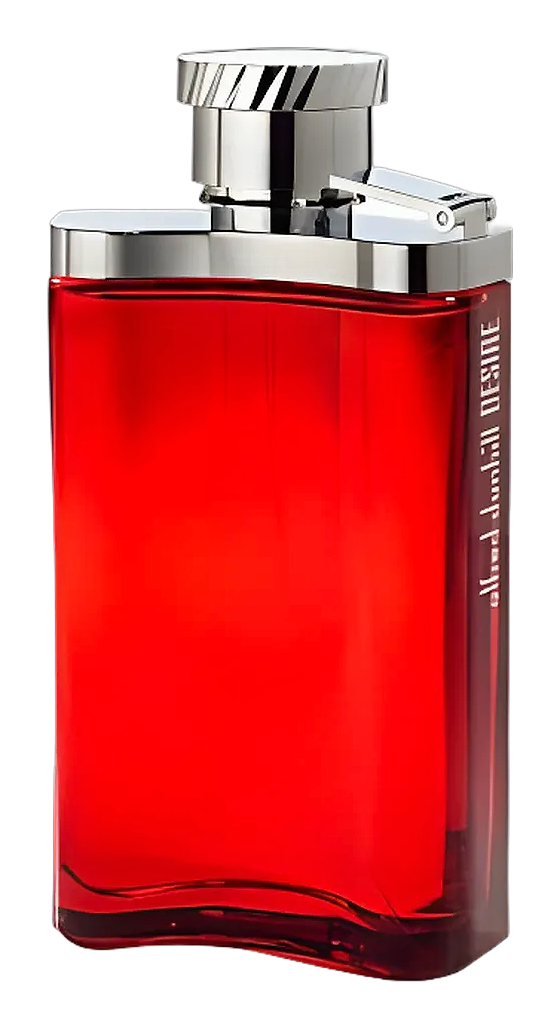
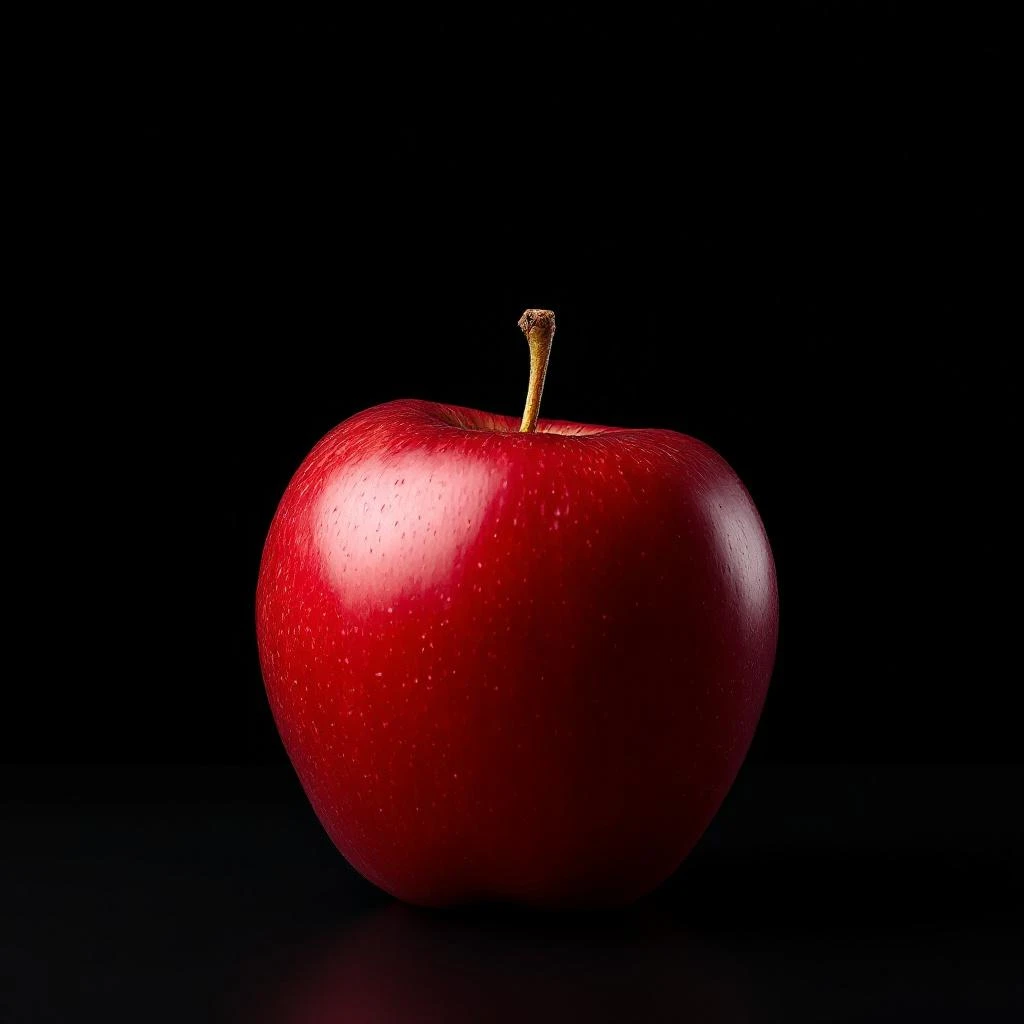
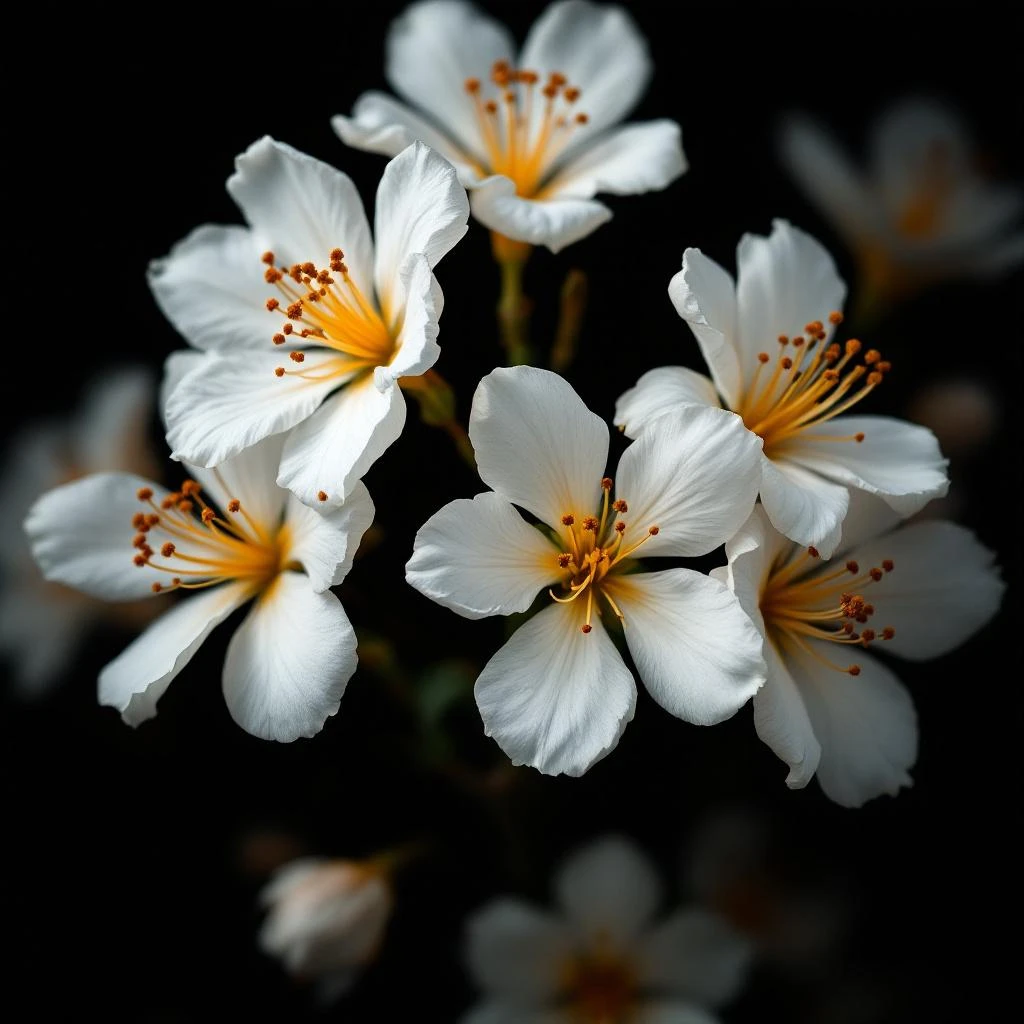
Desire for a Man arrived in 2000, crafted by Michel Almairac for Alfred Dunhill. Almairac reached for apple and neroli to open, fruits that smelled like appetite, not armor. The ruby-red bottle signals something different, a fragrance that doesn't blend into the background. The apple note carries a crisp, honest sweetness, while the neroli adds a soft floral whisper of orange blossom that rounds the edges. Together, these notes create a fruity opening that feels warmer and more personal than conventional masculine compositions.
If this were a song
Community picks
Round Midnight
Chet Baker
The Beginning
Desire for a Man arrived in 2000, crafted by Michel Almairac for Alfred Dunhill. Almairac reached for apple and neroli to open, fruits that smelled like appetite, not armor. The ruby-red bottle signals something different, a fragrance that doesn't blend into the background. The apple note carries a crisp, honest sweetness, while the neroli adds a soft floral whisper of orange blossom that rounds the edges. Together, these notes create a fruity opening that feels warmer and more personal than conventional masculine compositions.
What makes this structure unusual is the bridge between top and base. The apple doesn't simply disappear as the fragrance develops, it deepens and becomes part of the vanilla as the rose and teakwood settle in. Teakwood itself is an interesting choice: less common than cedar or sandalwood, it carries a slight moisture, almost like polished wood in a club restroom. The vanilla doesn't compete. It wraps around everything underneath, making the whole composition feel warmer than the sum of its parts.
The Evolution
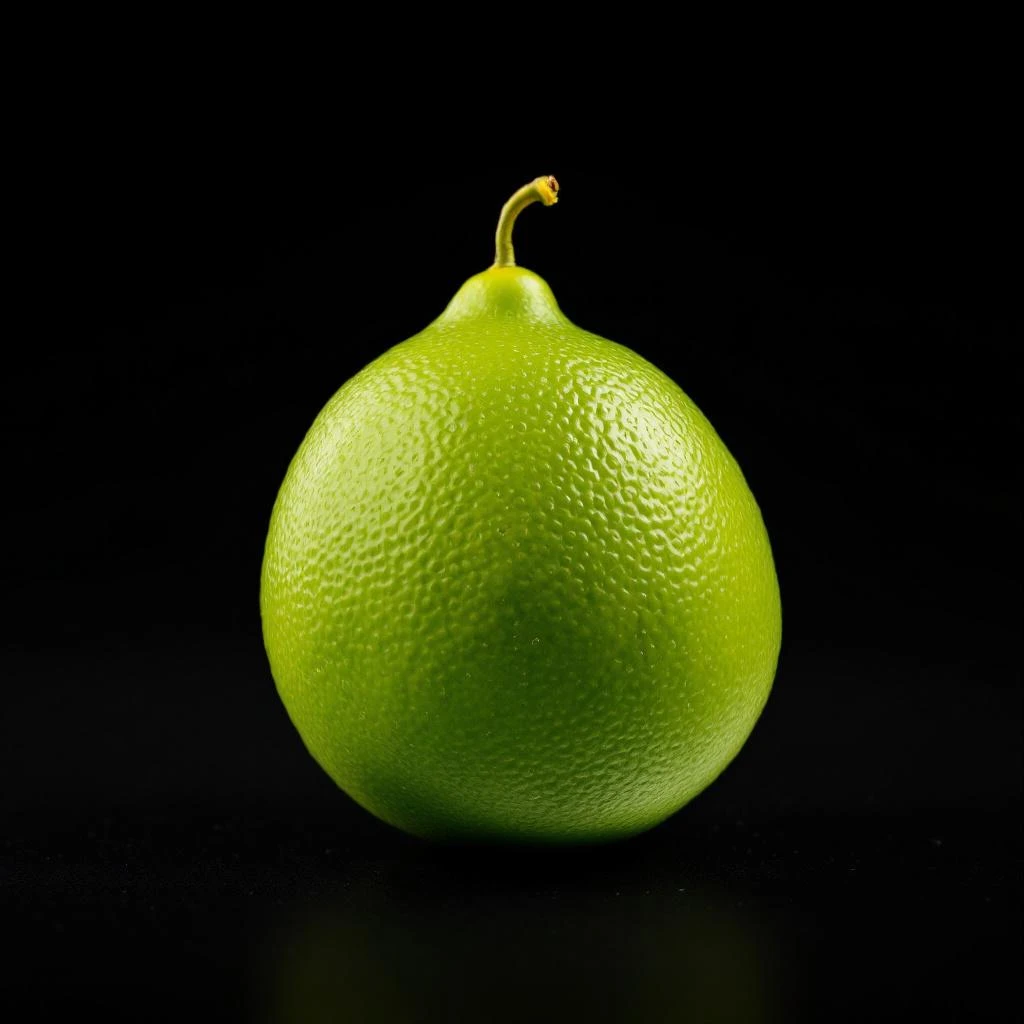
Apple hits sharp and sweet, bergamot adds the citrus edge that keeps it from feeling like dessert. Neroli brings a faint orange blossom whisper that softens the lemon. Then the rose arrives, not loud, more like the scent of someone who's been wearing rose long enough that it's absorbed into their skin. The teakwood and patchouli follow, adding weight without darkness. By the time the fragrance has settled, the vanilla takes over, wrapping the apple and rose in a warm, slightly powdery embrace that sits close to the skin for hours. The drydown is where this fragrance lives.
Cultural Impact
Desire for a Man arrived in 2000, a time when masculine fragrance was expanding beyond traditional structures. Alfred Dunhill, a brand associated with conservative British luxury, released a fragrance built around apple and vanilla, notes that were less common in men's scents at the time. The launch positioned Dunhill among brands offering sweeter, fruitier masculine compositions in a growing market segment. These fragrances helped broaden what male fragrance could be in Western markets.
The House
United Kingdom · Est. 1893
Alfred Dunhill began as a British leather and motor‑accessory workshop in 1893, founded by a young Alfred Dunhill in Westminster, London. The house grew into a diversified lifestyle brand, adding a fragrance line in 1934 with the debut of Dunhill for Men. Over the decades the brand has released a steady stream of scents that echo its British roots – English Lavender (1970), Blend 30 (1978), Dunhill Burgundy (1980) and, more recently, Agar Wood (2020) and Mongolian Cashmere (2022). Today Dunhill positions its perfumes as extensions of its heritage of craftsmanship, offering modern gentlemen a quiet confidence that feels both timeless and contemporary.
If this were a song
Community picks
Desire for a Man sounds like late-night clarity, the moment when the bar empties and the conversation becomes real. Warm amber lighting, velvet touches, something slightly reckless under the polish. Think jazz that breathes rather than performs, a saxophone that knows when to hold a note.
Round Midnight
Chet Baker