
The Story
Why it exists.
Royal Oeillet emerged in 2014 from Hugo Lambert, who used Oriza L. Legrand's archival formulas to ressurrect the scent of the royal carnation. The fragrance captures a flower once worn at Louis XV's court, translating clove-like warmth into a modern perfumery context. Lambert retained the original house approach of grounding historic concepts in contemporary raw materials.
If this were a song
Community picks
La Vie En Rose
Édith Piaf
The Beginning
Royal Oeillet emerged in 2014 from Hugo Lambert, who used Oriza L. Legrand's archival formulas to ressurrect the scent of the royal carnation. The fragrance captures a flower once worn at Louis XV's court, translating clove-like warmth into a modern perfumery context. Lambert retained the original house approach of grounding historic concepts in contemporary raw materials.
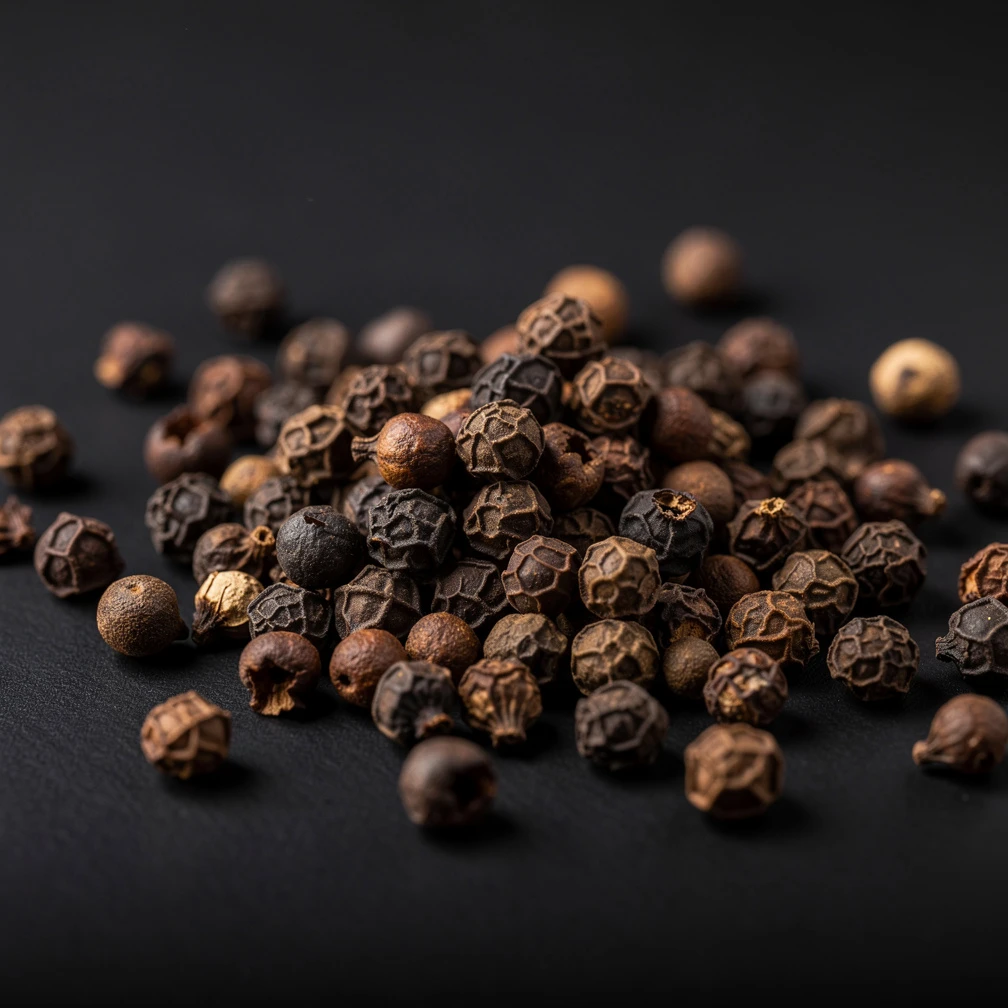
Royal Oeillet pairs black pepper with clove to replicate the carnation's natural spiced character, using rose and geranium to reinforce its floral identity. Sandalwood and violet leaf provide the creamy, green base that distinguishes this interpretation from more straightforward spice compositions. The result reflects the house philosophy of building fragrance around a single aromatic concept.
The Evolution
The opening asserts black pepper and rose immediately. As the fragrance develops, clove and geranium emerge alongside cedarwood, strengthening the carnation association. Pink pepper adds momentary brightness before sandalwood arrives to anchor the drydown, joined by violet leaf for a final green whisper that completes the circular narrative back to the original flower.
Cultural Impact
Since its 2014 debut, Royal Oeillet has been praised for translating aristocratic heritage into a wearable spice‑rose, earning a niche following among collectors who appreciate its balanced vintage‑modern dialogue. Its peppery rose character often draws comparisons to classic court fragrances, positioning it as a quiet staple in refined fragrance cabinets.
The House
France · Est. 1720
Oriza L. Legrand traces its scent lineage back to Paris in 1720, when the perfumer known as Fargeon the Elder opened a shop in the Louvre’s central courtyard. The house supplied the French court, crafted fragrances for royal ceremonies and later expanded into a catalogue of scented accessories. After a quiet century, two modern entrepreneurs revived the name in 2012, re‑issuing historic formulas and adding contemporary creations such as Villa Lympia (2016). Today the brand balances archival research with a commitment to fresh raw materials, offering collectors a bridge between eighteenth‑century elegance and today’s refined taste.
If this were a song
Community picks
A velvet‑soft waltz of French chanson meets a subtle spice, echoing the perfume's elegant rose and peppery heart. The primary track captures the timeless courtly vibe while the playlist adds modern nuance.
La Vie En Rose
Édith Piaf