The Story
Why it exists.
The beginning
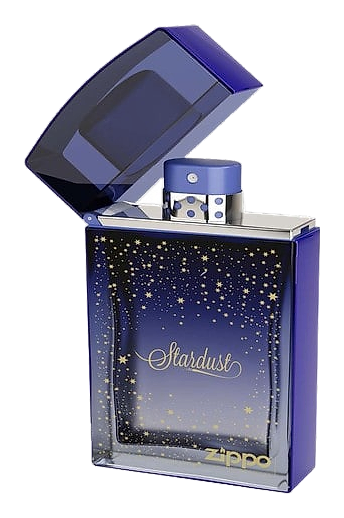
Stardust arrived in 2013 as Zippo Fragrances stretched its reach beyond the blue-collar identity that built the brand. The lighter company had spent decades selling durability, windproof engineering, and a certain American machismo. Then someone in the room said: what if the rest of the Zippo customer grew up? What if their daughter wanted something with the same name recognition, but none of the grit? The result was Stardust, a floral-fruity composition built around white florals, plum, and peach blossom, dressed in vanilla and oakmoss to keep it grounded. The brand positioned it for the 'modern Zippo princess,' a woman between 18 and 36 who still believes in fairy tales. It was Zippo going soft on purpose.
What makes Stardust structurally interesting is the heart-to-base transition. Gardenia and peach blossom are both materials that skew heavy and sweet on their own, the kind of white florals that can tip into indolic territory if the concentration runs too high. Zippo handled this by anchoring them in a base of oakmoss and patchouli, two materials with earthy, almost savory depth. The effect is that the sweetness never fully escapes gravity. The plum in the heart adds a juicy, slightly fermented quality that bridges the gap between the bright top notes and the grounded base.
The evolution
The opening arrives fast. Bergamot and red currant give you thirty seconds of brightness before almond blossom and the white florals take over. Gardenia is the early winner here, creamy, almost buttery in its warmth. The peach blossom follows, adding a fruit sweetness that pushes the composition toward something lactonic, almost creamy. You get the sense of a perfume that knows its audience and isn't trying to impress anyone beyond them. By the mid-stage, the plum emerges as a darker, jammier note that gives the florals something to lean against. This is where it gets interesting, the transition from bright floral to something with more weight. The base arrives after two to three hours as oakmoss and patchouli ground the sweetness, followed by a vanilla drydown that lingers close to the skin. On fabric, it lasts longer, through an evening, into the next morning, smelling faintly of sweet florals and warm skin. On bare skin, expect four to six hours depending on your chemistry. The sillage stays moderate throughout. People near you will catch it if you lean in.
Cultural impact
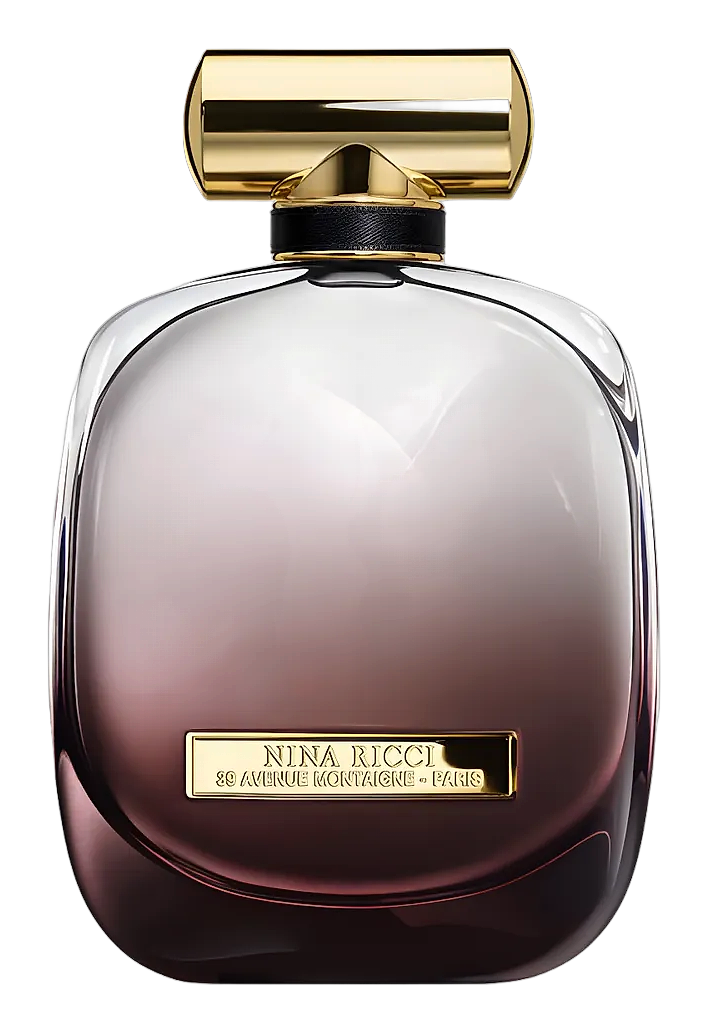
Stardust occupied an interesting position at launch in 2013, a mass-market floral-fruity fragrance from a brand better known for fire and steel. The positioning as the 'Zippo princess' fragrance was deliberate: a bid for the younger consumer who associated the name with something reliable. Community reception split along predictable lines. Those who wanted Zippo to stay masculine found it bewildering. Those looking for an accessible, unchallenging floral found it exactly what they needed. The sweet-lactonic character drew comparisons to Ellen Tracy and L'Instant de Nina Ricci, though Stardust carved its own path through a heavier reliance on white florals and a base that kept things grounded.