The Story
Why it exists.
The beginning
Zara launched its Textures collection in 1999, a line built around the idea that fragrance could capture the feeling of different fabrics and colors the way clothing does. Lilac sits firmly inside that concept, a scent shaped by the sensory world the brand was exploring rather than by the conventions of traditional perfumery. It was composed by Carlos Benaïm alongside Alberto Morillas and Rosendo Mateu, three perfumers who each brought something different to the studio. The brief leaned gourmand from the start, treating Mexican chocolate as the structural anchor rather than a novelty. That choice gives the fragrance its gravity, turning what could have been a thin confection into something with real depth and presence on skin.
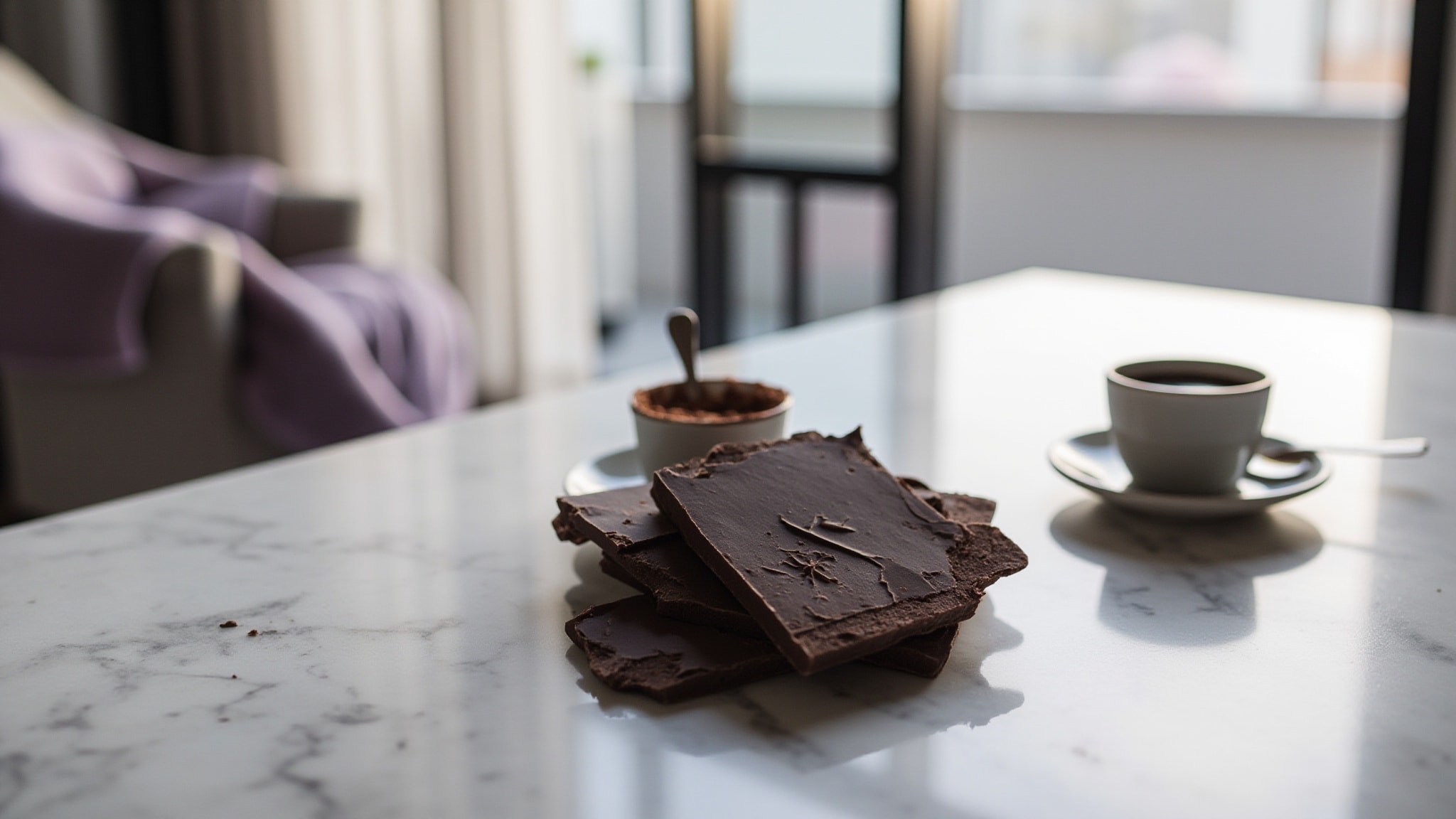
Mexican chocolate carries a particular warmth that's earthier and spicier than the Swiss stuff, and using it as a core note instead of an accent changes the entire gravity of a floral. The ginger adds lift without going sharp, keeping the chocolate from collapsing into pure dessert. Cedar and sandalwood ground the whole thing in something woody and lived-in, so the sweetness never feels like costume. It's a gourmand that knows how to dress itself.
The evolution
The opening hits with ginger and a bright rush of fruit, almost fizzy for the first ten minutes, before the Mexican chocolate settles in and warms everything underneath. The freesia arrives alongside it, soft and a little creamy, threading floral through what would otherwise read as straight confection. By the second hour, the sandalwood and cedar have taken over the base, pulling the sweetness down into something drier and more private. The musk never announces itself, but it's doing the heavy lifting in the final hours, keeping the whole composition close to the skin rather than broadcasting it. The drydown isn't dramatic, but it lasts through a full evening and into the next morning's clothing, where the chocolate-cedar combo shows up faint but unmistakable.
Cultural impact
Textures Lilac draws its name from the fabric-and-color concept at the heart of the collection rather than from a literal floral composition, and the scent itself reflects that editorial starting point. The fragrance opens with ginger, a sharp and slightly spicy note that gives it immediate lift and a contemporary brightness. Freesia follows, lending a soft, dewy quality that reads almost like the feel of brushed fabric against skin. The Mexican chocolate sits at the center of the composition, and it behaves less like a dessert note and more like a structural element, bringing warmth, depth, and a dusky richness that anchors everything else.