The Story
Why it exists.
The beginning
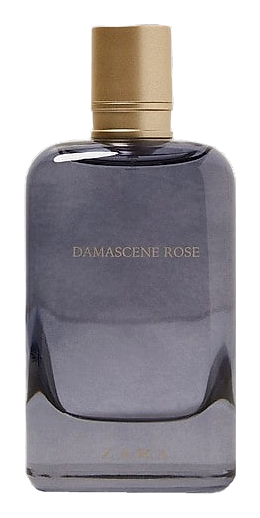
Damascene Rose takes its name from the ancient art of metalwork, precise, decorative, deeply skilled. That sense of craft carried into the composition: a rose that doesn't arrive politely. The name also points to the Damask rose itself, cultivated for centuries for its intensity and depth. Zara built this fragrance around that tension, something traditionally feminine in concept, delivered without apology in execution. The 2017 launch brought the brand's fashion sensibility into the fragrance space: considered, contemporary, and unpretentious about wanting to be noticed.
The heart of this fragrance is the iris-heliotrope axis. Both materials share a powdery, slightly metallic quality that reads as clean, but in a warm register, not cold. Heliotrope contributes an almond-like softness that rounds the edges. Iris adds a violet-carrotpowder nuance that extends the top notes' sweetness into the drydown. The praline in the base is what separates this from a straightforward chypre: it's the caramel note without the burnt edges, the sweetness that knows when to stop. Patchouli anchors the whole thing, keeping the vanilla from floating away entirely.
The evolution
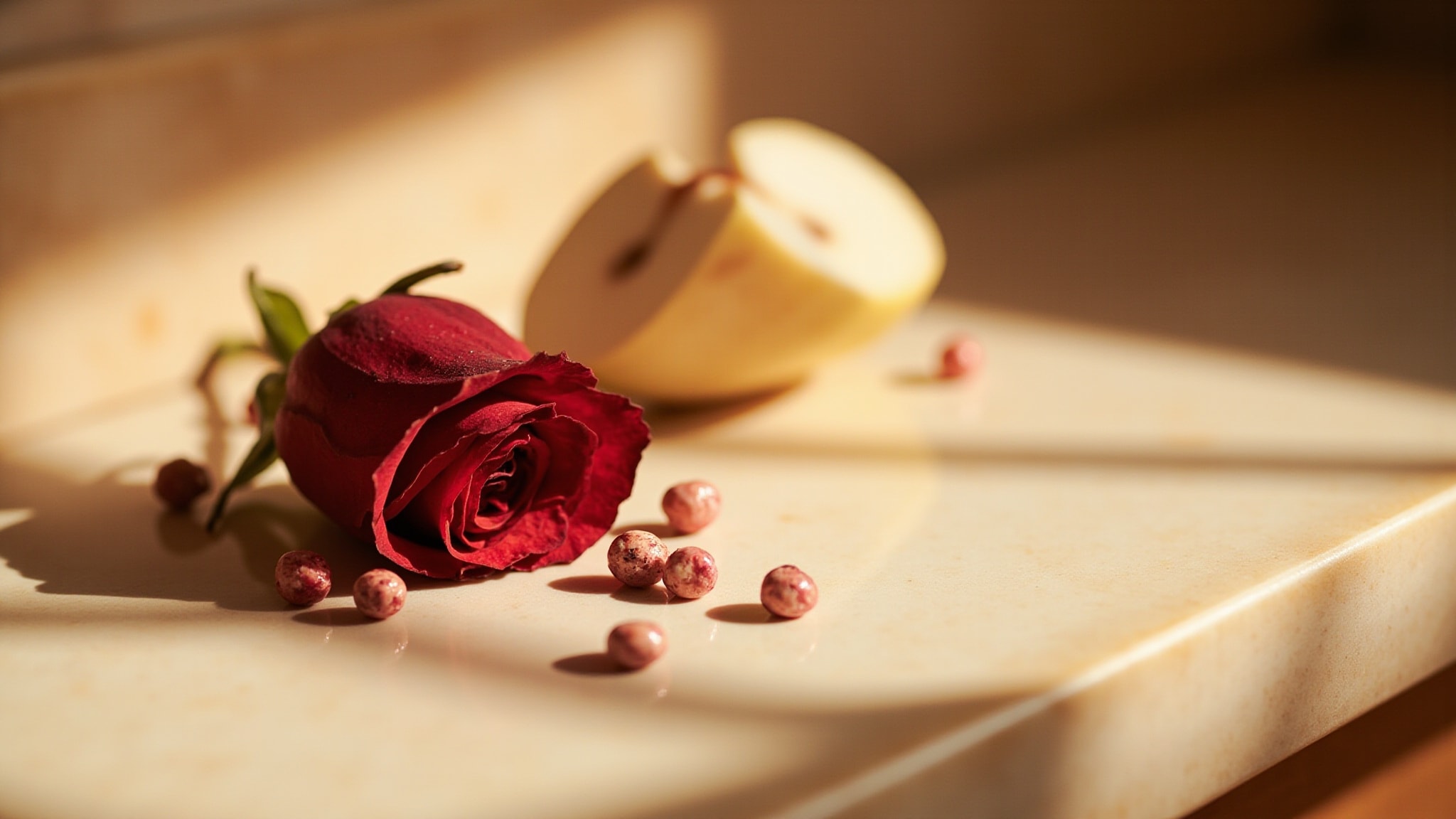
The opening is all business, pink pepper, white pepper, red currant. A sharp little burst that announces itself without apologizing. Thirty minutes in, the peach arrives and softens everything. The lily of the valley keeps the floral notes from becoming a bouquet; it reads more like a suggestion of flowers than a wall of them. By hour two, the praline and vanilla have taken over, but the patchouli hasn't left the building. It lingers in the drydown, adding an earthy counter to the sweetness. On fabric, this lasts into the next day, warm, powdery, quieter than the opening but not gone. The musk holds everything close to the skin, making it intimate rather than projecting.
Cultural impact
Damascene Rose found its audience in the space between designer exclusivity and indie novelty. Released in 2017 alongside Zara's broader fragrance expansion, it attracted wearers who wanted fashion-adjacent scent without heritage pricing. The powdery-floral structure echoed classic chypres but softened into something that worked across seasons. Its discontinuation gave it a quiet cult status, sought after not because it's rare, but because it represented a particular moment in accessible luxury.