
The Story
Why it exists.
The beginning
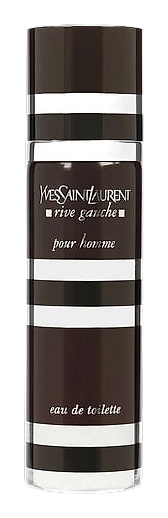
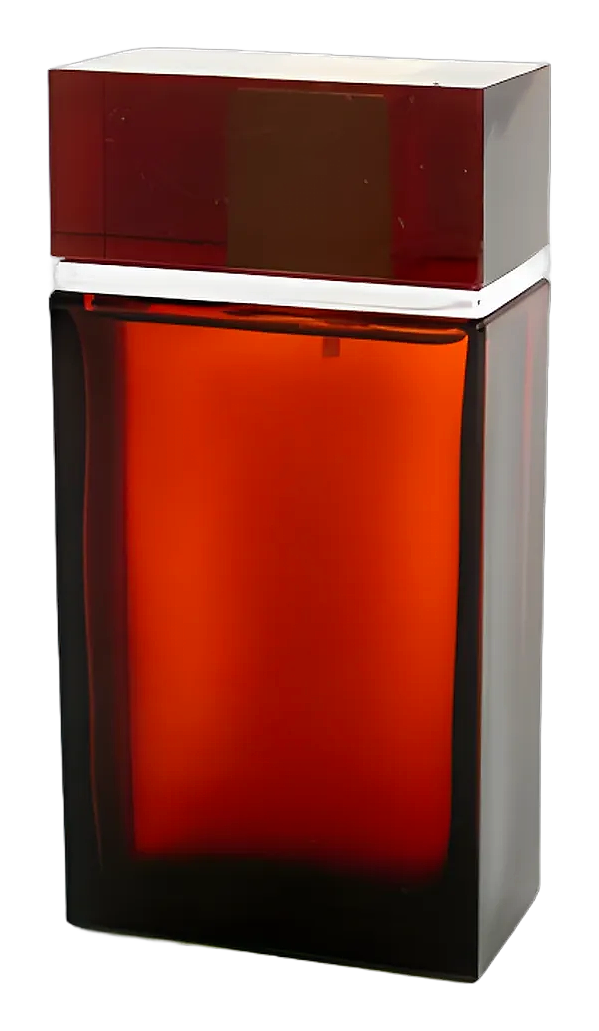
In 1983, Yves Saint Laurent released a more concentrated version of its 1971 Pour Homme. The goal was clear: more projection, more longevity, more presence. It's a fragrance that can fill a room and hold its own for hours. It builds on the original with heightened intensity, offering a scent experience that evolves across the day. The opening is bold and aromatic, immediately commanding attention. As the fragrance settles, it reveals richer layers of spice and wood that deepen the impression. The dry-down is persistent, with the scent lingering on the skin and clothing well into the evening, making its presence known without overwhelming the space.
What makes this version distinctive is the carnation. Rare in masculine compositions, it adds an unexpected warmth, almost powdery, almost animal, that lifts the citrus opening into something with real character. The rosemary in the heart amplifies the barbershop quality, while patchouli grounds it with earthiness. Tonka bean sweetens the transition, nutmeg adds warmth. The woody base doesn't shout, it lingers, close to skin, for hours after the opening has faded. It's a pyramid that rewards patience: the real interest develops after the first hour, when the herbs and woods take over.
The evolution
The opening hits bright and citrusy, Amalfi lemon takes charge immediately, with petitgrain adding a green, herbaceous counterpoint. The carnation reads sharp for the first fifteen minutes, almost medicinal, before the heart settles in. Rosemary dominates the heart phase, pushing the barbershop quality into the foreground. Patchouli adds depth underneath, earthy and grounding. The tonka bean smooths the transition to the drydown, where woody notes and nutmeg finally show themselves, hours in. The drydown is quieter than the opening, warm woods, a whisper of nutmeg, the memory of what was there. It stays close to skin for hours after.
Cultural impact
Pour Homme Haute Concentration arrived in 1983 as a more intense take on YSL's masculine identity, building on the 1971 original. It found its audience among men who wanted a barbershop fragrance with real projection, something that announced presence without trying. The carnation note made it distinctive and divisive: nostalgic for some, slightly dated for others. What no one argues about is the longevity.