The Story
Why it exists.
The beginning
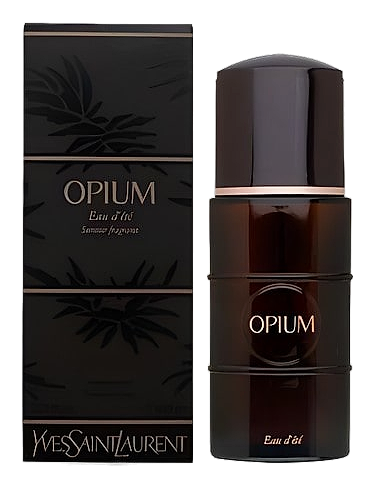
YSL launched Opium in 1977 and the world lost its mind. Spice, amber, and a name that made people uncomfortable. It became one of the most talked-about fragrances of its era. Twenty-six years later, the house returned to that legacy with a different mission. Summer flankers have one job: capture the spirit of the original without suffocating the wearer. Opium Eau d'Été took the structure, citrus opening, spiced floral heart, warm balsamic base, and opened every window. Released in 2003 as a limited edition, it was the original translated into something you could wear on a Tuesday afternoon without turning heads for the wrong reasons.
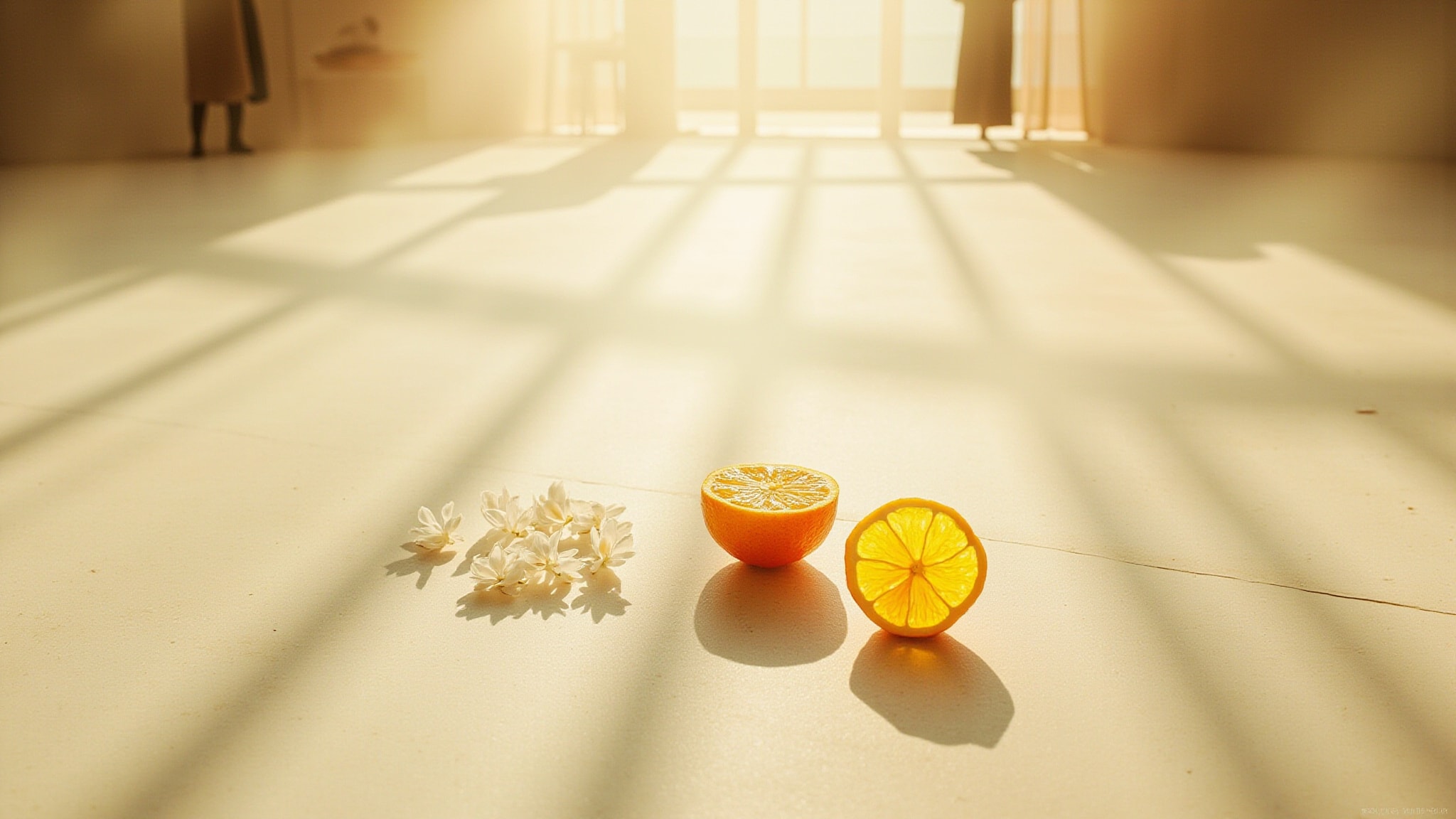
The composition makes you work for understanding. Bergamot and mandarin open sharp and aromatic, cutting through summer heat the way citrus should. Carnation sits in the heart doing something interesting, spiced, slightly powdery, warmer than you'd expect from a summer release. The jasmine rounds what could have been a harsh transition, blending the top and base into something cohesive. The base is where the family resemblance lives: patchouli and myrrh anchoring a vanilla warmth that never gets heavy. What makes this flanker clever is that the patchouli never disappears. It keeps the connection to the original alive throughout the wear, just at a lower volume.
The evolution
The opening announces itself immediately, bergamot and mandarin cutting bright and clean, the kind of citrus that makes you stand a little straighter in the heat. Two hours in, something warmer takes over. The carnation emerges, spiced and powdery at once, softened by jasmine that keeps the transition from feeling abrupt. By hour four, the top notes have fully departed and the base takes control. Vanilla and myrrh create warmth without weight, while patchouli keeps things grounded in Opium's heritage. Eight to ten hours later on most skin, a faint trace of that warm myrrh-patchouli remains, the kind of scent memory that makes someone lean closer. The drydown never turns heavy, even in the final hours.
Cultural impact
Summer flankers rarely generate conversation on their own, they exist in the shadow of their parent. Opium Eau d'Été earned attention simply by being a YSL flanker worth wearing on its own terms. The house has a history of this: taking risks with reinterpretations while maintaining enough connection to the original to intrigue collectors. Released in 2003, it arrived during a period when the fragrance industry was exploring lighter summer releases, but it stood apart by refusing to abandon what made Opium distinctive.