
The Story
Why it exists.
The beginning
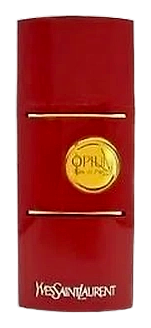
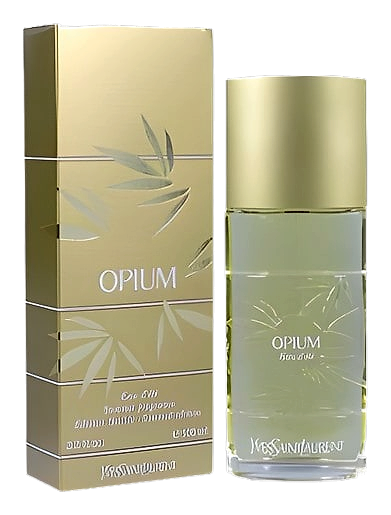
YSL released Opium in 1977 and the world hadn't been the same since. A name that meant something, a spicy-amber composition that turned heads and raised questions. Twenty-five years later, the house asked a simple question: what if the confrontation softened without disappearing? Eau d'Été was the answer, a summer flanker that kept the carnation, the patchouli, the myrrh and vanilla base, but opened the whole thing up. More air, more light, same nerve.
The interesting move here is the carnation. In most fragrances it reads as polite, almost dusty. Here it's placed alongside jasmine in the heart where it catches the citrus brightness from the mandarin opening and stays interesting rather than settling into comfort. Patchouli and myrrh do the work of keeping it grounded, while vanilla provides the warmth that makes this legible as a descendant of the original. The result is a fragrance that behaves like a summer scent, wearable in heat, not overwhelming in close spaces, while still having something to say.
The evolution
The mandarin and bergamot arrive together, sharp and immediate. Ten minutes in, the jasmine surfaces, rounding the citrus into something softer. The carnation takes longer, twenty minutes before it registers fully, but when it does, it changes the character. What smelled like a citrus cologne becomes something spicier, warmer. Patchouli and myrrh arrive around the hour mark and stay. Vanilla is the lingerer, it holds past where the citrus has faded, past where the carnation has softened, making the final drydown read as warm and resinous rather than sweet. On fabric, the vanilla can last until the next morning.
Cultural impact
Eau d'Été occupies an unusual position in the Opium lineage, neither sequel nor correction. It's the version the house itself reached for when it wanted to ask: what if we kept everything that mattered but let it breathe? Limited edition, now discontinued, which has made it a collector's consideration rather than a standard retail item. The reviews that exist split evenly between those who prefer the original's confrontation and those who find this lighter approach more wearable in actual summer conditions.