The Story
Why it exists.
The beginning
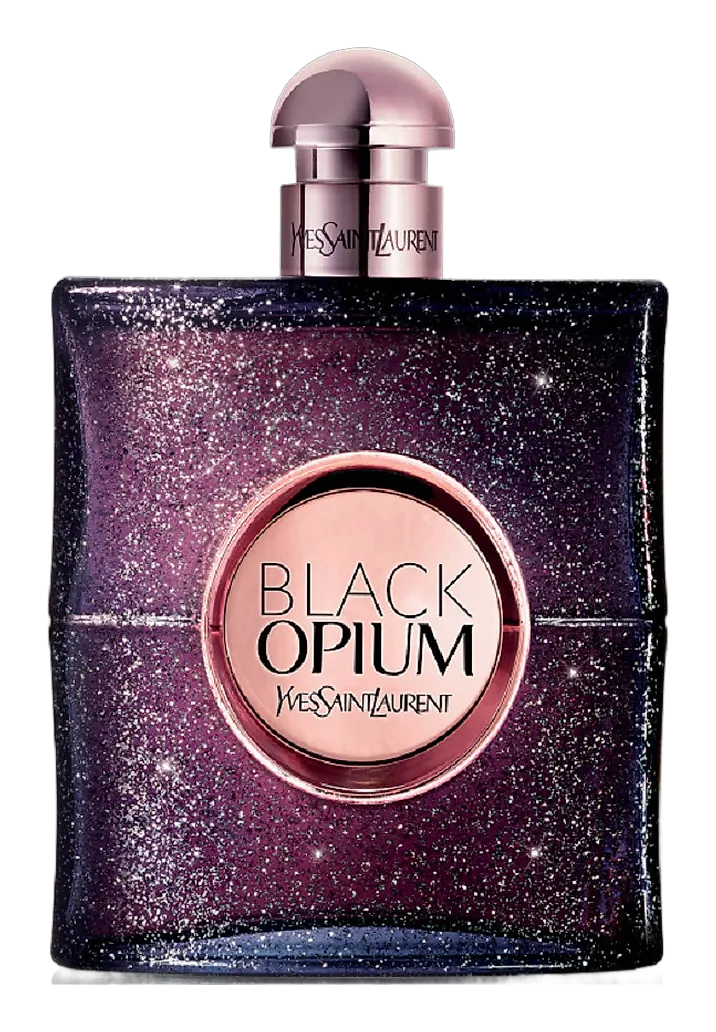
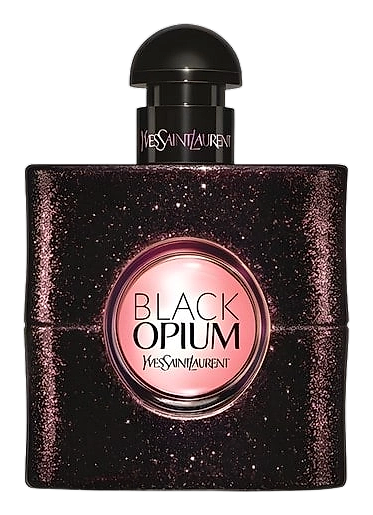
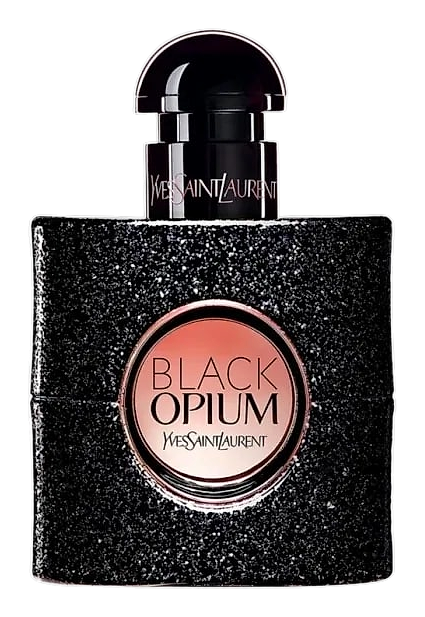
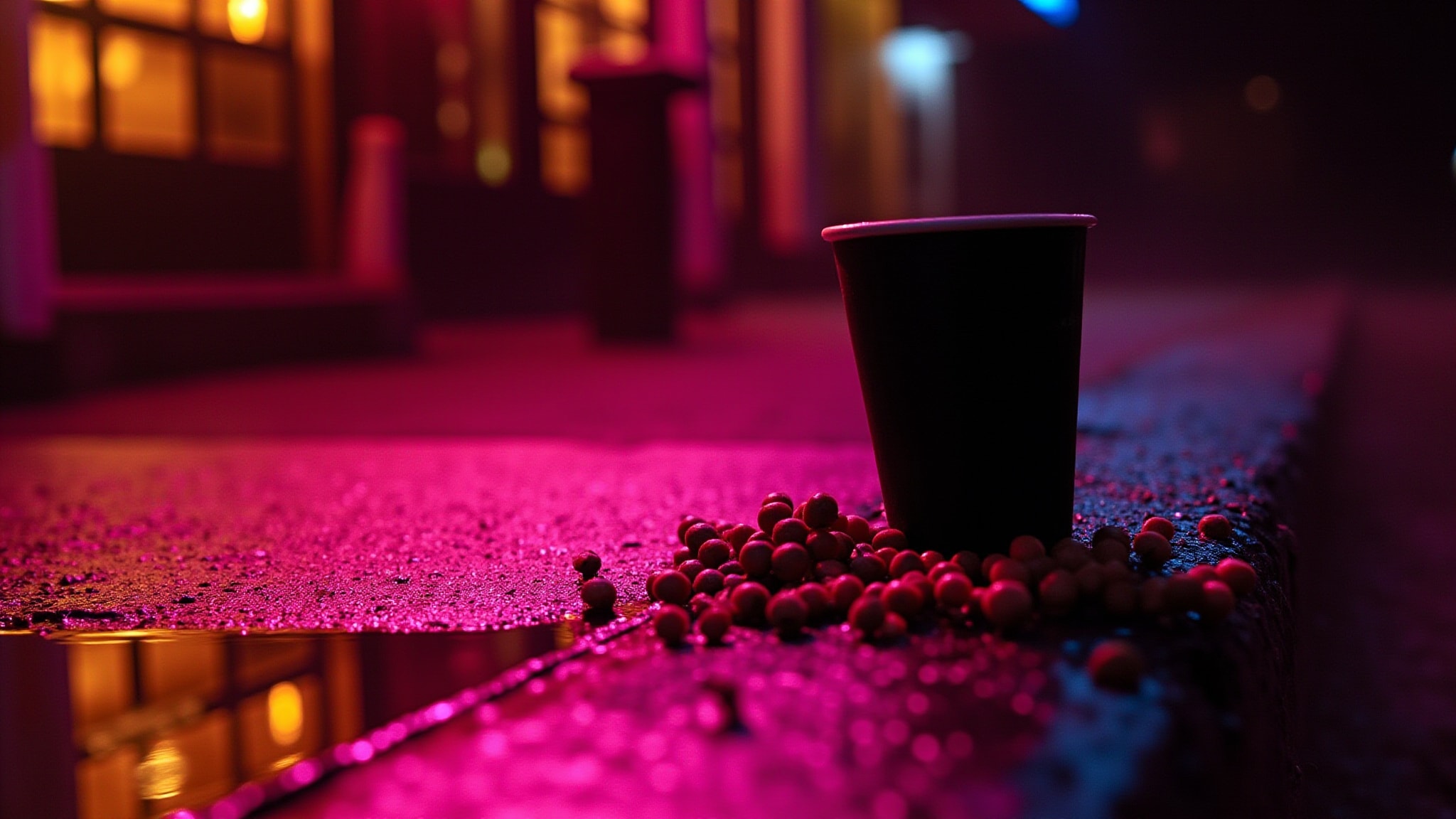
By 2014, the house called in four perfumers, Nathalie Lorson, Marie Salamagne, Olivier Cresp, and Honorine Blanc, and asked them to do something different with the Opium lineage. The result was Black Opium, a rock'n'roll interpretation of the classic, built around a dark, caffeinated heart that nobody had put at the center of an Opium before. The bottle borrows from the later Opium editions, dressed in black with sequins that catch light like a stage outfit. British model Edie Campbell fronted the campaign, shot by Daniel Wolfe. Coffee leads where spice once did, and the whole composition tilts toward a younger register, something sweetened, something nocturnal.
There's a technical conversation hiding inside this bottle. Coffee at the heart of a gourmand composition is a structural choice, not a marketing one. The perfumers had to balance the bitterness of roasted coffee against the sweetness of vanilla without letting either collapse into the other. Pink pepper adds an electric charge to the top, while orange blossom keeps the florals from disappearing under the weight. Patchouli and cedar anchor the whole thing in something earthy.
The evolution
The opening hits you within the first minute. Orange blossom and pink pepper arrive bright, almost fizzy, the pepper giving the floral a short, sharp buzz. Then the coffee. Not a background player, a lead. It comes in dense and dark, almost like the smell of a café at 2 a.m., and pulls the jasmine down with it. For a long stretch, this is a coffee-and-vanilla conversation, with jasmine threading through like steam. The sweetness builds gradually, the vanilla taking on weight as the minutes pass. As the florals recede, the patchouli surfaces underneath, giving the whole thing a faint earthy weight so it doesn't float away. The cedar arrives quietly into the middle phase, dry and clean, the kind of wood that shows up in a tailored coat. The vanilla never leaves. It just gets warmer, softer, more like fabric than flavor as the wear continues.
Cultural impact
Black Opium arrived at a moment when gourmand fragrances were gaining ground, and the coffee note became a signature that other launches couldn't quite replicate. Wearers describe it as a night-out signature, the kind of thing that gets noticed at a bar without trying to announce itself. The fragrance draws a clear line from the earlier Opium editions but pushes the composition into a different territory, something sweetened, something nocturnal, something that swaps the exotic spice profile for a darker, roasted center. The bottle, with its sequined black finish, signaled the shift visually before anyone even pressed the spray.