
The Story
Why it exists.
The beginning
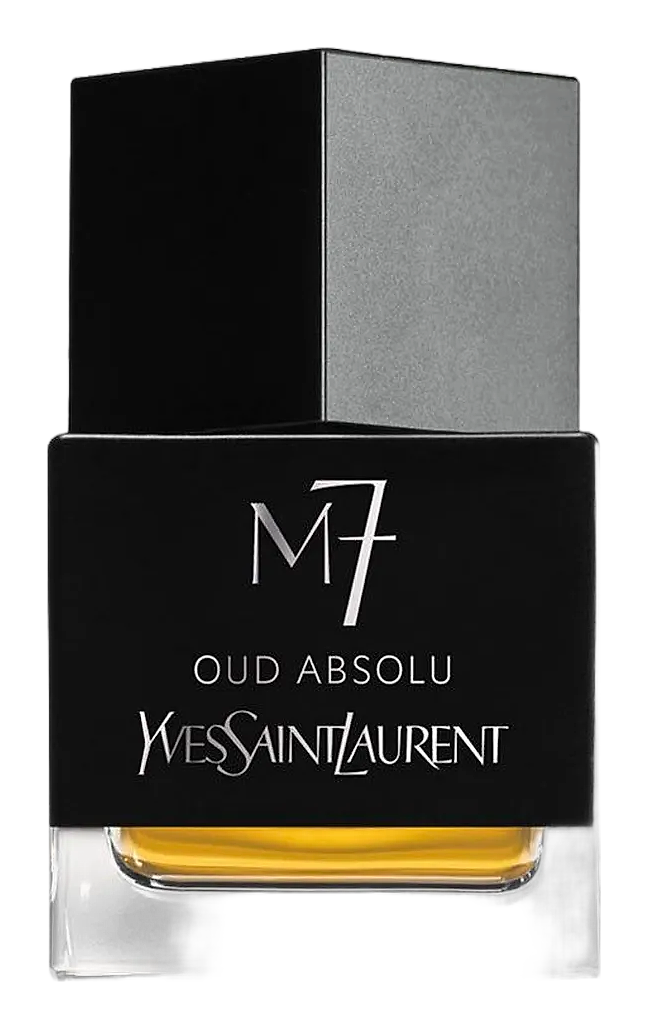
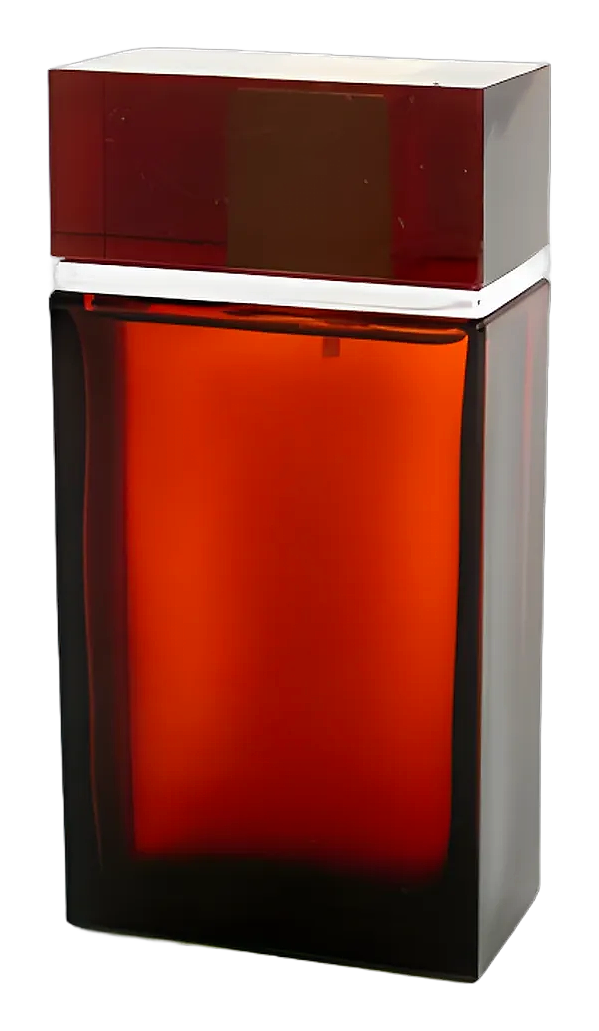
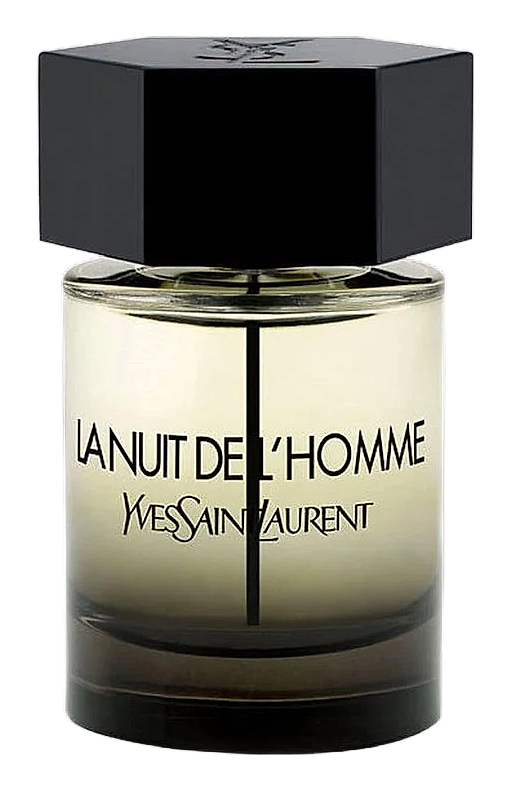
Jacques Cavallier-Belletrud created M7 Fresh in 2004. The fragrance offers a bright, citrus-forward composition that opens with remarkable clarity. Grapefruit and bergamot lead the top notes, creating an effervescent quality that feels almost translucent in its precision. The heart reveals layers of bitter orange and ginger, introducing a savory edge that creates beautiful tension against the initial brightness. At its core, oud brings a subtle smokiness that adds depth without heaviness. The result is warmth, sensuality, and a quiet sophistication that fills the air gently rather than demanding attention. M7 Fresh was the proof.
What makes this composition work is the balance. The citrus doesn't fight the oud, it frames it, makes it accessible without diluting it. The ginger adds a clean heat that bridges the two, while the bitter orange brings a dry, aromatic quality that keeps everything grounded. Down at the base, Tahitian vetiver adds a smoky, earthy character that pairs beautifully with the musk. This isn't oud-lite. It's oud that learned to breathe.
The evolution
The opening hits immediately. Florida grapefruit, bergamot, and mandarin orange create an effervescent wave that cuts through the air. It's bright, almost translucent in its clarity. Within minutes, the composition shifts. The bitter orange and ginger introduce a savory edge, a slight bitterness that creates tension with the initial sweetness. The oud announces itself not with a bang but with a whisper, a subtle smokiness that adds depth without heaviness. This is where the fragrance earns its name. The vetiver and musk create a subtle warmth beneath the surface, their interplay adding an organic complexity that grounds the brighter top notes. It's the kind of drydown that rewards wearing, something you notice yourself, and that others notice only when they get close.
Cultural impact
M7 Fresh arrived as a bold statement from YSL. Where oud fragrances often lean heavily into incense-like intensity, this composition bridged the gap, bringing citrus freshness to the oud-forward conversation. The pairing of bright grapefruit with agarwood created an unexpected harmony that demonstrated how these note families could coexist. The fragrance showed that oud could be approachable without losing its essential character, opening new possibilities for how the material could be used in perfumery.