The Story
Why it exists.
The beginning
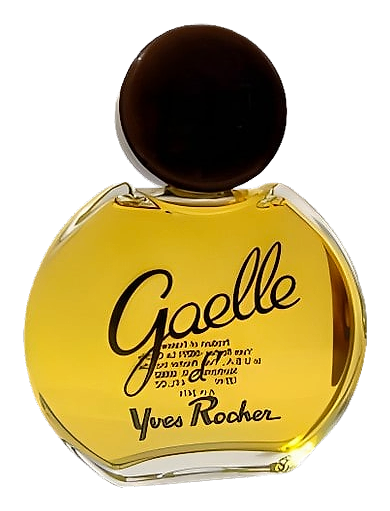
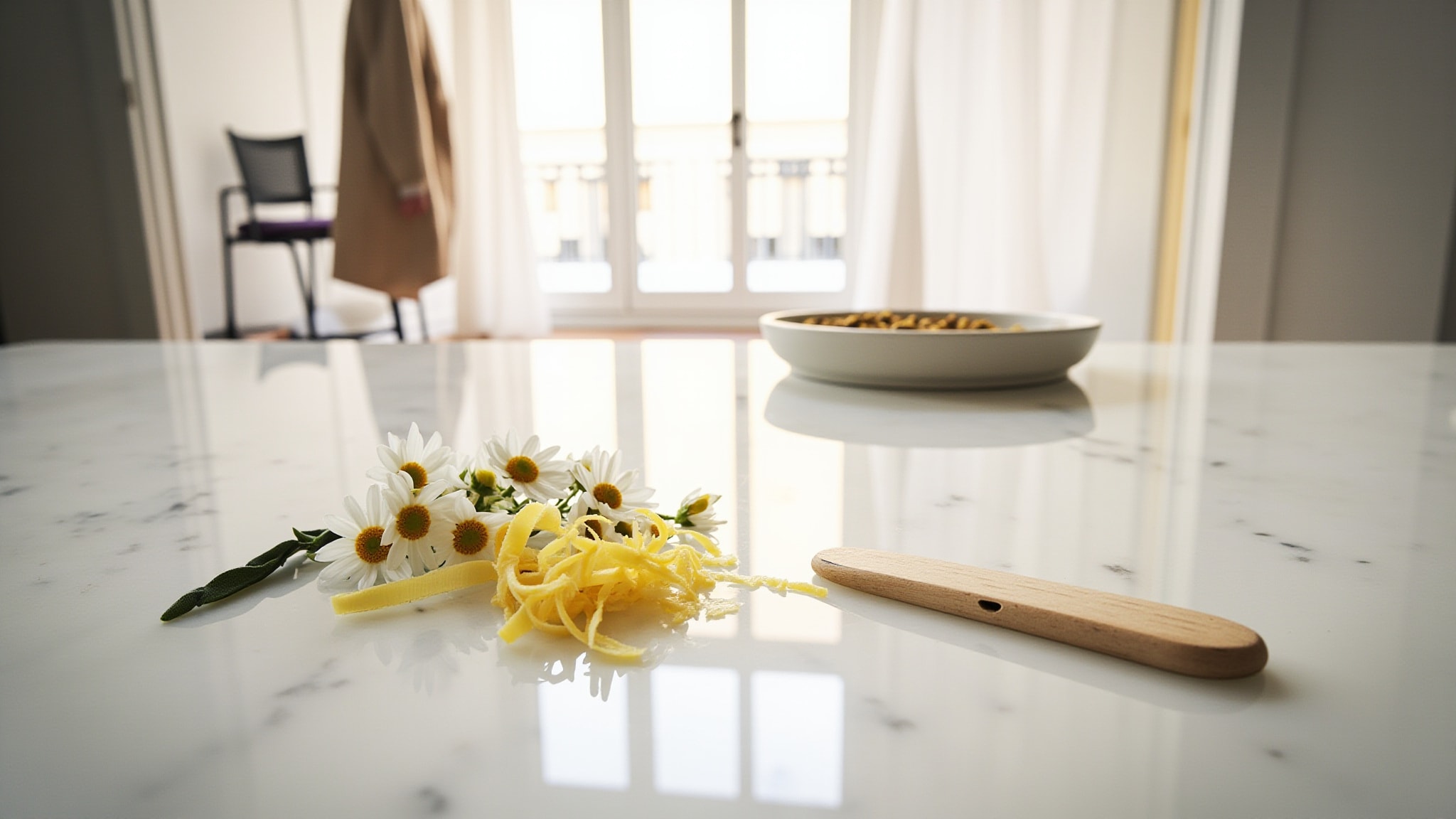
Gaelle arrived in 1978, and from the start it took a different angle than what was typical. Rather than building around a single dominant floral, it offered a chypre-fresh composition that put chamomile and clary sage in starring roles, two notes rarely given center stage in women's perfumery. The name Gaelle reads as a personal signature, feminine and direct, fitting for a scent that feels less like a fantasy and more like a portrait. It was part of Yves Rocher's early experiment in translating botanical gardens into wearable form, an approach that valued the character of raw plant material over elaborate reconstruction. The chamomile lends a quiet, tea-like calm, while the clary sage brings a warm, herbal musk that grounds the composition from the very first impression.
What makes Gaelle's structure distinctive is the chamomile-clary sage pairing sitting right at the heart, flanked by bergamot and lemon on top and jasmine threading through the middle. Chamomile brings a tea-like, slightly bitter greenness, while clary sage adds a warm, almost savory muskiness. The chypre classification in the accords confirms there's likely a mossy, earthy base anchoring the whole thing, giving the bright top notes something to dissolve into rather than just evaporate from.
The evolution
The opening hits fast and bright, bergamot and lemon peeling back to let chamomile through within the first few minutes. That chamomile is the signal, telling you this isn't your typical citrus floral. Clary sage warms the edges early, adding a savory, slightly tobacco-adjacent undertone that keeps the brightness from feeling sharp. By the 30-minute mark, jasmine takes over, but it doesn't dominate. It sits alongside the herbs rather than replacing them, creating a phase that smells like a Mediterranean garden at midday, green and warm and alive. The drydown shifts toward a soft, slightly powdery earthiness, consistent with the chypre base. It's not loud. It settles into skin and stays intimate, then lingers as a faint musky-herbal trace into the next morning. No dramatic transformation. Just a slow, honest fade.
Cultural impact
Gaelle belongs to a quietly ambitious corner of late-1970s French perfumery, compositions that were technically interesting and priced for everyday wear rather than reserved for special occasion dressing. It represented the kind of herbal, chypre-leaning thinking that gave the decade some of its most distinctive signatures, fragrances built around green and aromatic materials rather than the heavier orientals that also defined the period. Its discontinuation has given it a particular kind of weight, the gravity of a scent that no longer walks shop shelves and can only be found through careful searching.