
The Story
Why it exists.
The beginning
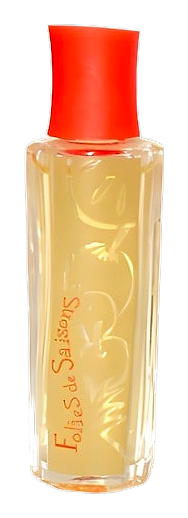
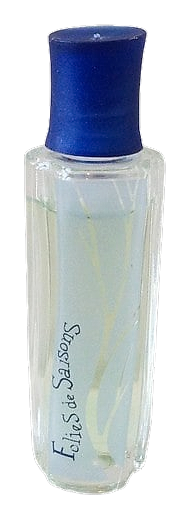
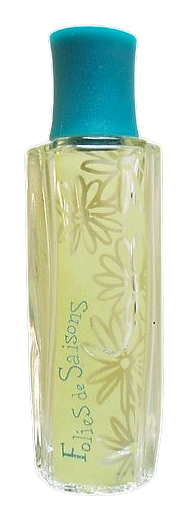
Part of the Folies de Saisons collection, Caprices de Printemps arrived in 1997 as Yves Rocher's take on spring's most unreliable quality: its indecision. The name itself says it, whims of spring. That season that can't commit to warmth, that teases with a warm afternoon then pulls back into cold. The perfumer translated that into a fragrance that refuses to announce itself. No heavy sillage, no demanding presence. Just green and white petals doing exactly what spring does, arriving briefly, beautifully, then gone before you can hold onto it.
What makes Caprices de Printemps unusual is how little it tries to be. The green notes don't push. The lily of the valley doesn't linger. The base barely materializes, soap and powder, then silence. In a market where longevity often signals quality, this one makes the case that restraint has its own intelligence. It's a fragrance that knows when to leave the room.
The evolution
It opens green, crisp, like stems just broken. That clarity holds for the first thirty minutes, cool air, no sweetness competing. Then the florals arrive, but they don't take over. Lily of the valley appears quietly, almost as an afterthought, followed by softer white florals that blur together rather than declare themselves. The drydown arrives fast: a brief soap-clean moment, a whisper of powder, then it fades. On clothing it lasts slightly longer, the fabric holds what skin won't. By hour three, there's nothing but memory.
Cultural impact
Caprices de Printemps sits quietly in fragrance history, discontinued now, but remembered by those who wore it as the scent of a specific kind of morning. Its low longevity and moderate sillage were seen by some as a flaw and by others as a choice: a fragrance for the wearer, not the room. In the context of Yves Rocher's botanical positioning, it reads as authentic rather than ambitious, a plant-focused composition that reflects the brand's earth-over-runway sensibility.