
The Story
Why it exists.
The beginning
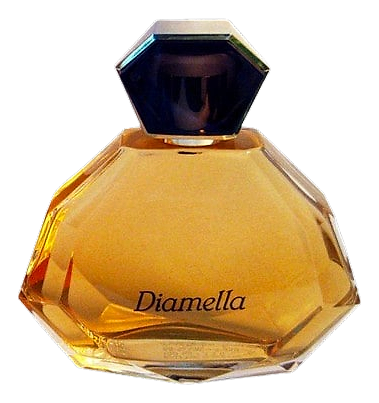
Diamella arrived in 1984, bottled by Pierre Dinand, a name that carries weight in perfumery, associated with flacons that feel like objects worth keeping. The fragrance was Yves Rocher's move into the classic chypre register, a category defined by contrast: brightness against depth, floral against mossy earth. The name itself, Diamella, suggests something precious and enduring, Italian-rooted, evoking the idea of lasting value. What makes this origin interesting isn't a single ingredient story or a perfumer's grand statement. It's the timing: 1984 was a moment when chypre formulas were beginning to face regulatory pressure around oakmoss concentration. A fragrance launching then, built on oakmoss as a structural element rather than a whisper, was making a quiet commitment to the classic structure. That context shapes how we read Diamella today, as a document of an era, preserved in a bottle designed to outlast it.
The aldehyde note is the tell. Not the cheerful, soapy aldehydes of mid-century florals, here they're sharper, more metallic, the kind that catch light rather than soften it. They do the work of lifting the composition, creating a sense of airiness above the denser moss and wood notes that form the architecture below. It's a structural choice: the aldehydes hold the florals aloft, keeping the heart notes from collapsing into the base. Oakmoss, at sufficient concentration, gives a fragrance a quality that's difficult to replicate synthetically, that cool, damp, slightly fungal depth that reads as "forest floor" without being literal about it.
The evolution
The opening hits first: aldehydes, bright and almost buzzy, carrying a slight waxy warmth that suggests lit candles in a closed room. This phase is brief, twenty minutes at most, but it's the signature. You know you're wearing Diamella during these twenty minutes. Then the hand-off. The aldehydes recede not by fading but by softening, becoming less metallic as the floral heart emerges, rose and jasmine, muted rather than exuberant, kept in check by the woody accord beneath them. The moss doesn't disappear. It deepens. Settles into the composition like a secret. By the second hour, the drydown has taken over. The woody notes and oakmoss dominate, warm and close, with the aldehydes reduced to a memory of brightness. On fabric, this phase can last into the evening. On skin, it holds for most of a workday, above-average longevity, close projection, the kind of sillage that requires someone to lean in rather than step back.
Cultural impact
Diamella exists in a particular moment of perfumery history: the late chypre era, just before oakmoss regulations began reshaping the category. For collectors, it represents a composition built on materials that have become increasingly regulated, a whiff of what chypres could do before restrictions tightened. The bottle, designed by Pierre Dinand, places it alongside the designer's other work for houses seeking flacons with a sense of objecthood rather than mere utility. It's not a statement fragrance or a cult favorite in the way certain vintage bottles have become. It's more useful than that: a reference point for how 1984 thought about the aldehyde-moss contrast, preserved in a form that still wears on skin.