
The Story
Why it exists.
The beginning
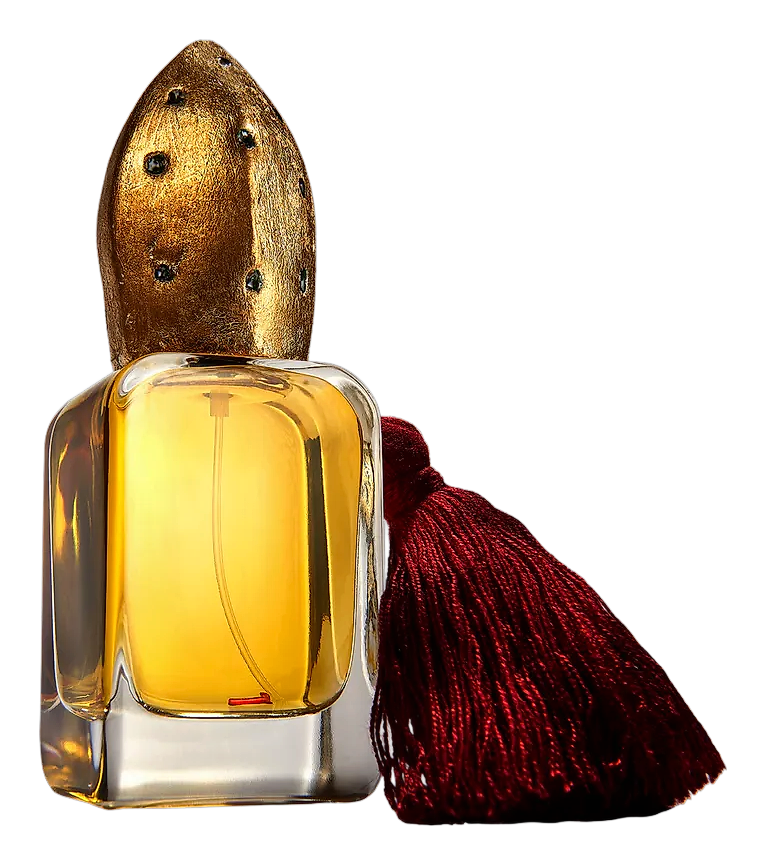
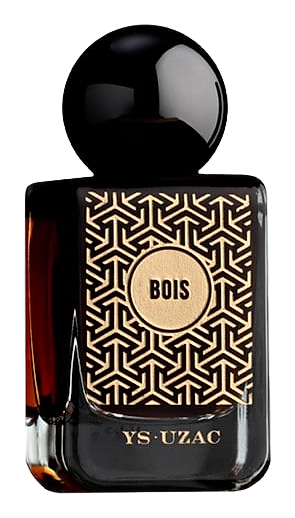
Vincent Micotti's Bois Fou began as a daydream about discovery. What does it smell like to stumble upon a civilization no one has visited in two millennia? Not dust. Not decay. Something stranger, more generous. A woodland growing where nothing should grow. Pomegranate trees heavy with impossible fruit. Oak barrels weathered to silver. Air so still it feels invented. Micotti built that scene from the inside out, starting with trees and ending with the light that finds them. The composition belongs to YS-UZAC's 8Ds Edition, and it wears Micotti's signature instinct for pulling sweetness out of materials most perfumers would render austere. There's an archaeological patience to it, the kind of slow attention you'd give to a site that has been waiting centuries for someone to notice.
The composition's signature is its refusal to behave like a woody fragrance. Micotti builds the top from woods that read almost edible. Applewood. Pomegranate wood. Oak. None of them settle into the usual dry, papery territory. Instead, they carry the sap and the fruit with them, staying green and sweet long after most woods have gone austere. The air accord in the opening isn't freshness for its own sake; it's the specific stillness of a desert morning before the wind picks up.
The evolution
The first hour is the brightest. Applewood and pomegranate wood hit together, and the scent leans toward something almost candied, like biting into fruit still warm from the branch. There's a green snap underneath, the air accord giving it lift, but it never reads as fresh in the conventional sense. More like the moment a breeze moves through a tree and carries everything with it. As the composition develops, the woods take over. The pomegranate recedes into something more pulpy, less sweet, and the oak starts to show its grain. Poplar buds arrive with a slightly bitter, almost peppery edge, the kind of green that makes you lean in rather than pull back. Red willow adds something smoky-adjacent, not quite smoke but the memory of smoke in old wood, a depth that sits just beneath the fruit. Eventually, Bois Fou settles into its real voice.
Cultural impact
Bois Fou reads as deliberate rather than decorative, a fragrance that assumes the wearer has something to say and doesn't need to shout. The composition refuses easy classification, sitting somewhere between woody, fruity, and mineral without committing fully to any of them, and that ambiguity is part of what makes it linger in memory. It carries a quiet authority, the kind of scent that earns its presence through texture and restraint rather than volume. The sand accord gives it a dryness that feels grounded, almost geological, while the woods and fruits keep it from drifting into austerity.