The Story
Why it exists.
The beginning
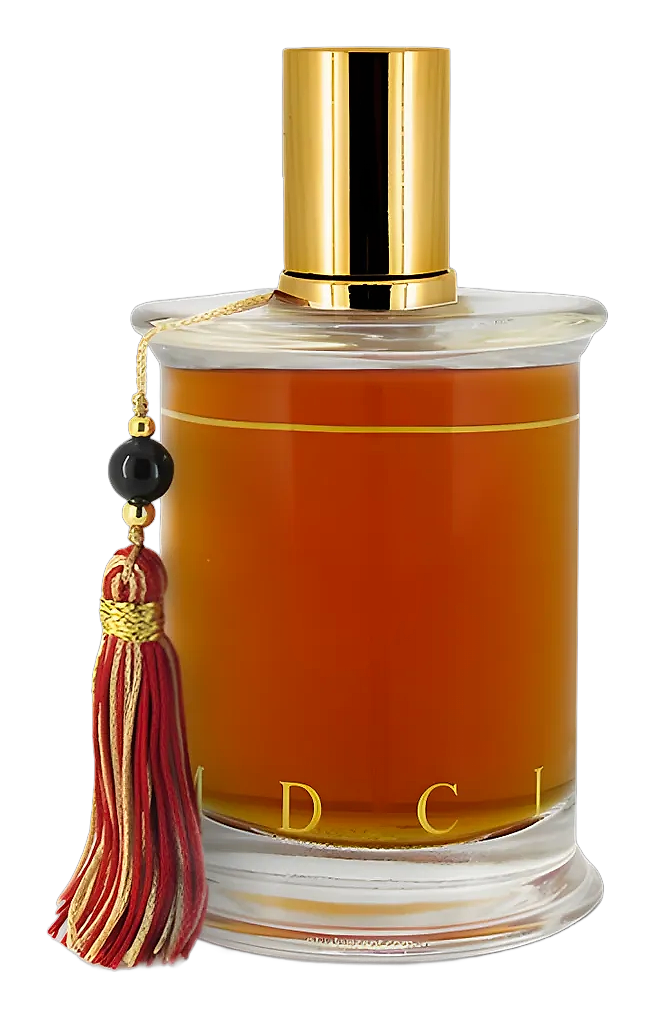
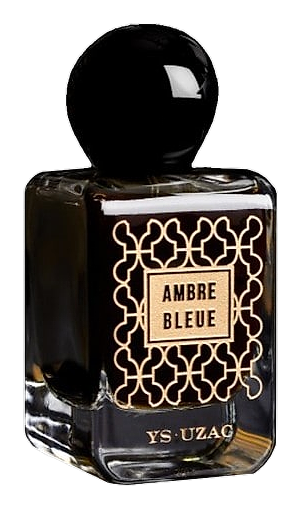
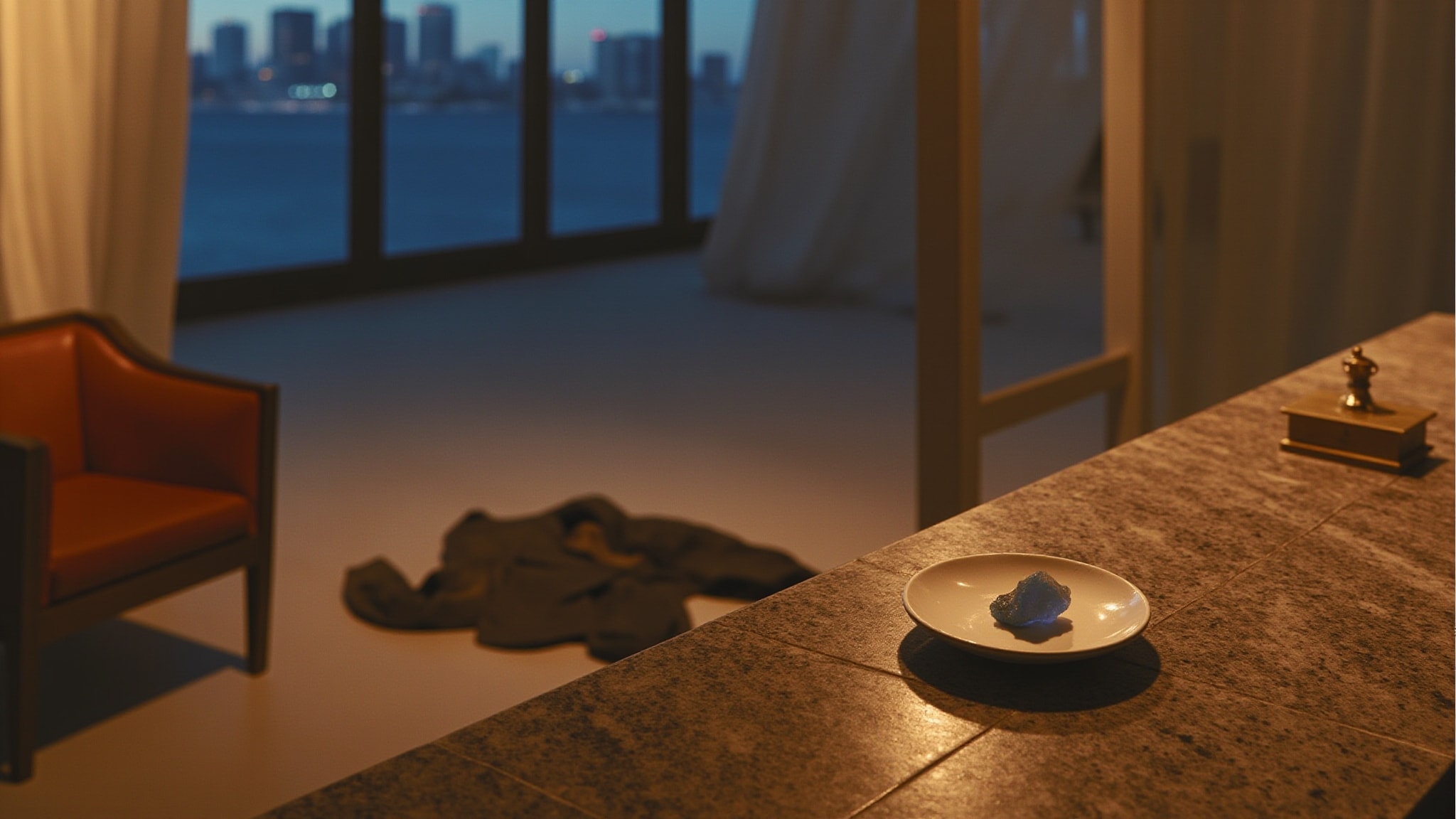
Vincent Micotti doesn't chase trends. He chases ideas. Ambre Bleue began as a question: what does blue actually smell like? Not the aquatic, fruity blue that fills department stores. Something deeper. Something that remembers. The answer lived in ambergris, that strange, ancient substance the ocean returns to shore. Real ambergris. Not a footnote in the formula. The point of it.
Ambergris has no consistent scent. That's the nature of the material. Each lump has drifted a different distance, absorbed different light, transformed differently over time. One piece reads salty and animal. Another reads sweet and warm. Another is almost indolic, like jasmine at midnight. Micotti chose to embrace this variability rather than tame it, building a composition around ambergris as the unpredictable, essential heart. The spices and resins aren't there to frame it. They're there to keep it company as it moves.
The evolution
The opening hits fast. Cardamom and pepper arrive bright, almost confrontational, then something cooler moves in beneath them, like blue light through water. Not aquatic. Cool. That contrast defines the first hour: warm spice held in check by mineral stillness. As the top notes soften, leather and oud emerge. They don't replace the spice. They argue with it. The composition thickens, grows more textured, more deliberate. Then, hours in, the ambergris announces itself. Not loudly. It was always there, underneath. But now it's the only thing that matters. Salty. Animal. Ancient. The frankincense holds everything together, a thread of sacred smoke that keeps the animalic from tipping into rawness. This is where Ambre Bleue earns its name. Not blue like water. Blue like a night sky over open ocean. The drydown lasts well into the next day, faint and persistent, the way something real always is.
Cultural impact
Ambre Bleue occupies a specific corner of the niche world: the ambergris argument. Most fragrances use ambergris as a modifier, a salty smoothing agent that blends materials together. Here, it's the point. The fragrance invites comparison to other ambergris-forward releases from houses like Biehl or Mendittorosa, but the Swiss execution and Micotti's compositional clarity set it apart. What draws people back is the variability: real ambergris behaves differently on different people, making the scent a kind of fingerprint. That unpredictability is precisely what the brand promised, and what its audience came for.