Red Willow
An uncommon woody-green material drawn from the bark of the red willow tree, prized for its quietly complex character and subtle depth in fine fragrance.
Character
How it smells
A woody-green whisper with quiet complexity.
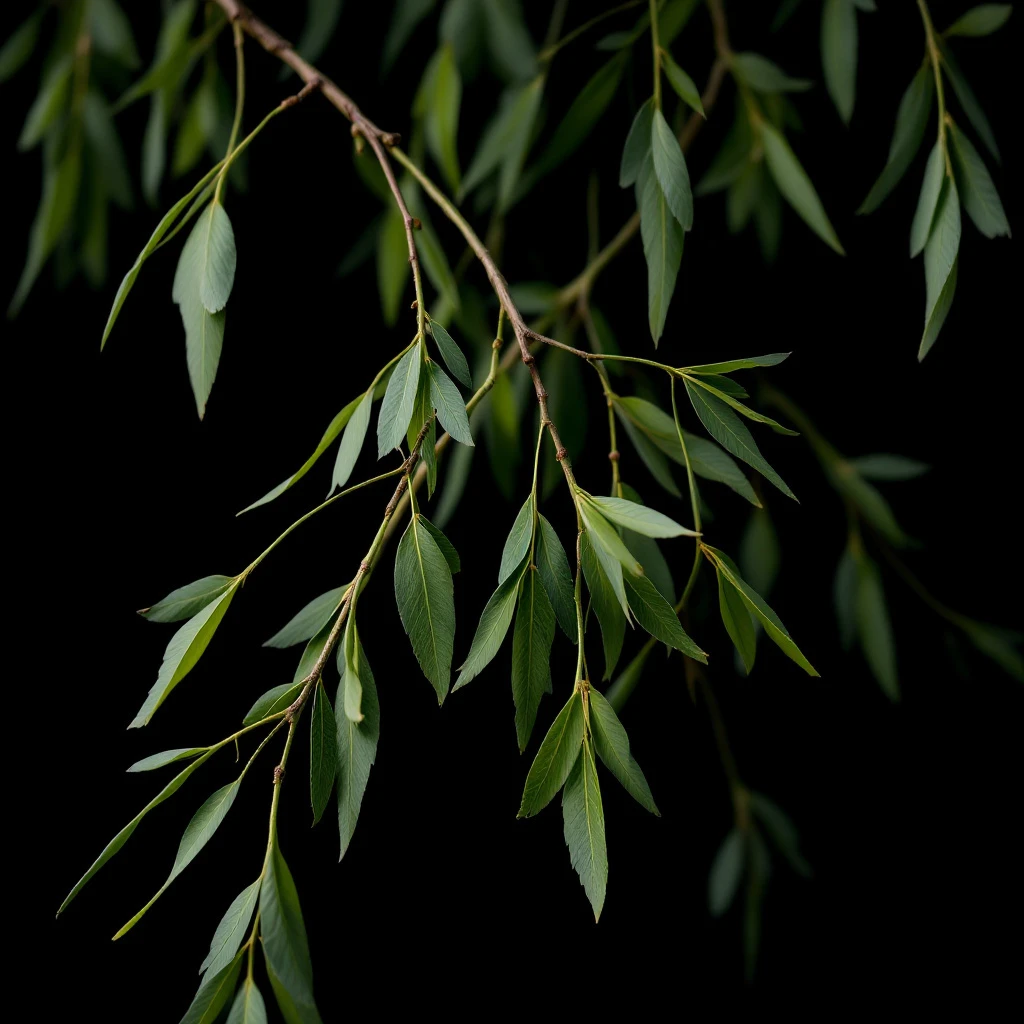
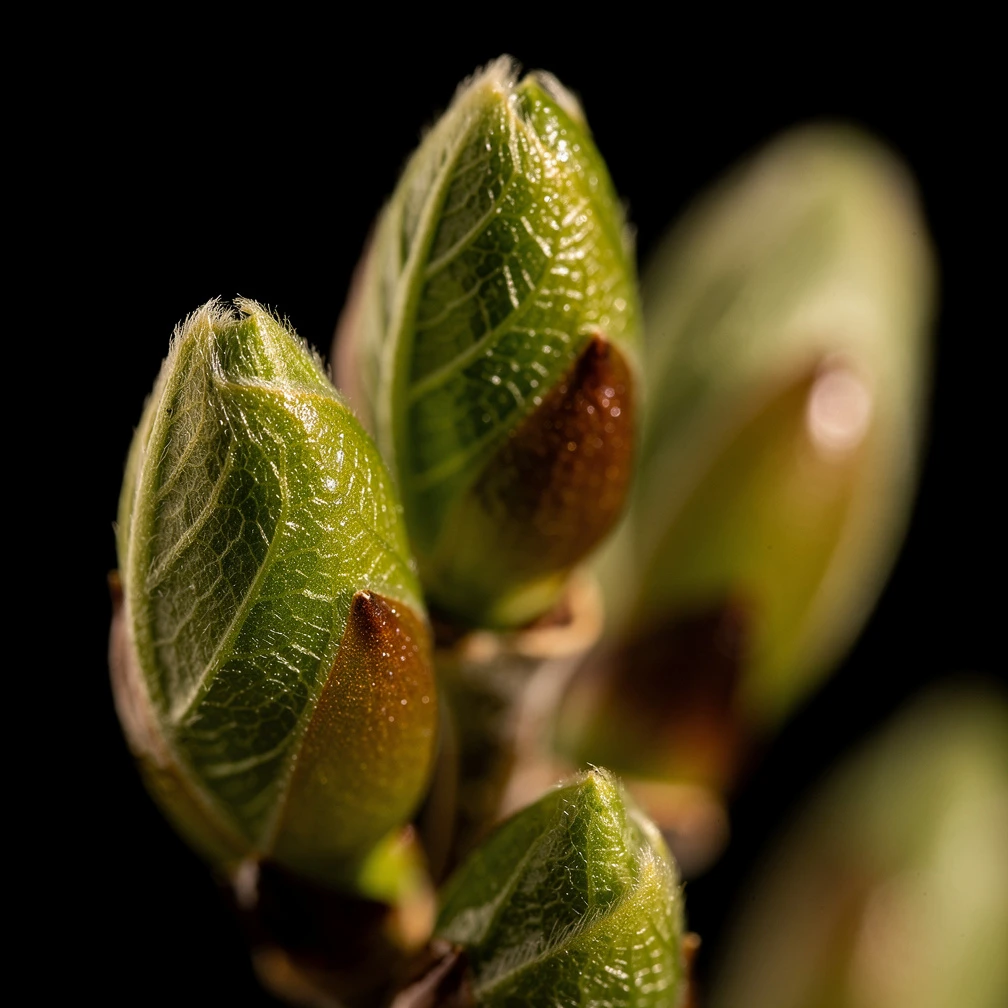
Red willow derives its name from the striking reddish-purple hue of its young shoots, a color caused by anthocyanin pigments in the bark.




Origin
France
Willows have appeared in human culture for millennia, though the red willow specifically gained recognition in European perfumery during the late twentieth century as interest grew in botanical ingredients beyond the traditional perfume palette. Salix purpurea was well known to pre-industrial European communities for basket weaving and folk medicine, valued for its flexible shoots and the salicin content in its bark.
The shift from functional applications to perfumery came as fragrance houses began exploring unconventional wood and bark materials in response to consumer interest in naturalistic scent stories. Today, red willow occupies a niche but respected position among ingredients that carry both ecological narratives and distinctive olfactory character.
Wears it best
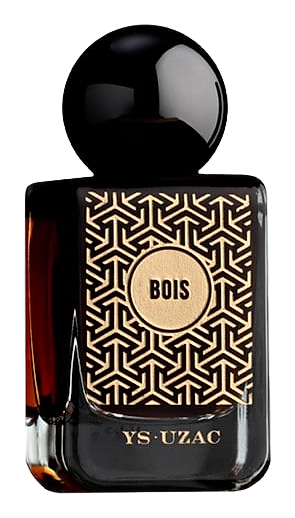
Fragrances featuring Red Willow
Brands
Brands known for Red Willow
Good to know
Questions, answered
The essentials on Red Willow in perfumery: how it smells, where it comes from, and how it behaves on skin.
What does red willow smell like?
Red willow bark delivers a dry, slightly bitter aroma with woody and green undertones. It reads as earthy and natural, evoking weathered bark, dried herbs, and subtle honey. Perfumers use it to add quiet complexity rather than dominant character.
Is red willow a natural fragrance ingredient?
Yes, red willow is a natural material sourced from the bark of Salix purpurea. The bark undergoes solvent extraction or steam distillation to produce the aromatic material used in fine fragrance formulations.
Where does red willow grow?
Red willow is native to temperate regions across Europe and Western Asia. Major cultivation occurs in France, Germany, and Poland, where the climate supports the growth of this adaptable deciduous shrub.
What is red willow called in perfumery?
Perfumers refer to it as red willow bark absolute or red willow essential oil, depending on the extraction method. The ingredient may also appear under its Latin name, Salix purpurea extract.
What fragrance families pair well with red willow?
Red willow works well in aromatic, fougère, and chypre compositions. It adds botanical depth to woody and green fragrances and pairs interestingly with aquatic and oriental bases for contrast.
How is red willow bark harvested sustainably?
Producers prune the shrub annually rather than harvesting whole plants, allowing the red willow to regenerate from its base. This coppicing method supports long-term cultivation while providing a regular supply of young bark.
What compounds give red willow its characteristic scent?
Salicylates, including salicin and related compounds, contribute to red willow's slightly bitter, aromatic quality. The extraction process concentrates these compounds alongside the bark's natural woody and green constituents.
When did red willow first appear in perfumery?
Red willow emerged as a fragrance ingredient in the late twentieth century as perfume houses sought distinctive botanical materials beyond traditional ingredients. Its introduction reflects a broader industry trend toward exploratory natural sourcing.