
The Story
Why it exists.
The beginning
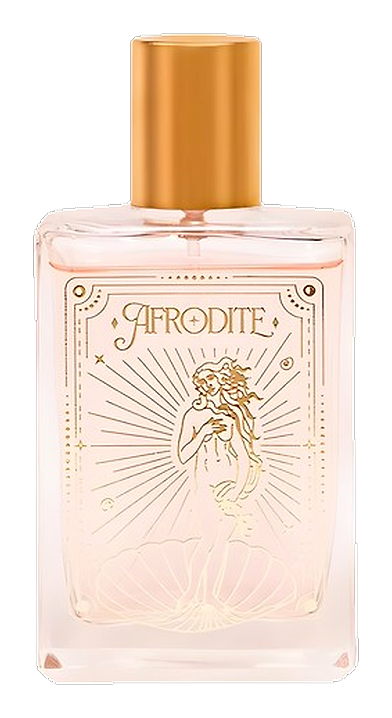
Afrodite takes its name from the goddess of love, born from sea foam according to ancient mythology. But this fragrance doesn't stay in the water. The composition holds marine and tropical notes in tension, letting the salt and the sun exist in the same breath. There's a crispness to the opening that feels like coastal air, and a warmth underneath that builds as the scent settles. The Yasmin Beauty collection uses mood-forward scent storytelling as its house language, and Afrodite fits naturally into that approach.
What makes Afrodite distinctive is how it pairs marine freshness with white florals, two territories that rarely share territory without one drowning the other. Here, sea salt acts as an amplifier for jasmine and orchid rather than a competitor. The tropical fruits in the base add sweetness that the marine layer can't quite suppress, keeping the florals warm instead of precious. Cashmere wood is the quiet anchor: soft enough to feel like skin, dry enough to stop the whole thing from floating away.
The evolution
The opening arrives fast, citrus and freesia over marine notes, bright and immediately present. Within ten minutes the sea salt asserts itself, not sharp but insistent, like the moment you stop noticing the ocean and start noticing your own skin instead. The white florals arrive in the heart in waves: jasmine first, then lily of the valley and orchid arriving together like an afterthought that wasn't. Violet lingers at the edges, powdery and quiet. The drydown is where this lives longest, amber, vanilla, and cashmere wood settling into something warm and close, intimate rather than announced. The vanilla doesn't dominate the way it might in a sweeter composition, it's there to soften the salt, not replace it.
Cultural impact
Afrodite lands in a fragrance landscape that has shifted toward mood-forward, experience-driven scent storytelling. Yasmin Beauty's collection treats fragrance as emotional architecture rather than mere decoration, a departure from traditional perfumery that has resonated with consumers seeking presence without performance. The aquatic-floral genre itself reflects broader cultural currents: wellness culture, Mediterranean tourism nostalgia, and a desire for fresh, non-aggressive scent signatures that do not compete for attention.