
The Story
Why it exists.
The beginning
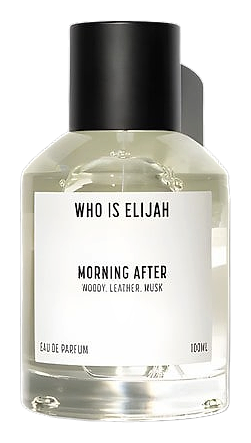
Morning After takes its name from that specific hour, the one after the lights come on, after the crowd thins, after whatever happened in the tent stays in the tent. It's a fragrance about aftermath, about the quiet intimacy that follows a night rather than the night itself. The name isn't metaphor. It's the moment. Raquel Bouris built this around four materials: violet, cardamom, iris, and amber. The official description calls it soft, charged, and unforgettable. That pairing, soft and charged, tells you exactly what this fragrance is trying to do. It's not a wallflower. It's not a statement piece either. It's the thing you notice when someone leans in close. The concept came from lived experience, which is the thread running through every Who is Elijah release. Bouris translates personal moments into scent, and Morning After is no exception.
What makes Morning After distinctive is the way it holds two opposing energies at once. The violet and cardamom opening is powdery-warm, almost sweet, with a cardamom kick that keeps it from being delicate. Then papyrus and iris arrive, dry, slightly metallic, like the smell of old paper or stone dust. These heart notes pull the fragrance in a completely different direction, from soft warmth to something almost austere. The base is where Australian sandalwood and leather take over, and where the fragrance finally reconciles its split personality. The sandalwood adds warmth and creaminess; the leather adds texture and that slightly animalic edge.
The evolution
The opening arrives fast, cardamom's green spice hits first, then violet's powdery sweetness fills in behind it. The combination is immediate and slightly jarring if you're not expecting it. Violet can read as detergent-fresh; cardamom can read as sharp and medicinal. Together, they create a tension that doesn't resolve immediately. Papyrus and iris take over within the first 20 minutes. This is the phase that surprises most people. Instead of the expected softness, you get something dry and almost mineral. The iris root (orris) adds a metallic, violet-like sweetness, but the papyrus keeps things grounded and slightly bitter. This is the moment the fragrance shifts from "pretty" to "interesting." The drydown is where Australian sandalwood and leather do their work. These materials are slower to develop but they last. The sandalwood adds warmth and creaminess; the leather adds texture. Musk and amber stay close to the skin, creating a base that lingers for 4-6 hours on most skin types.
Cultural impact
Morning After sits in an interesting position in the niche fragrance landscape, it's not trying to compete with heavy hitters, but it's not playing it safe either. The violet-cardamom pairing and the dry papyrus-iris heart make it a fragrance for people who've already tried a few niche scents and want something that doesn't follow the usual playbook. The community votes show division, this is a fragrance that sparks strong reactions, which is increasingly rare in a market that rewards safe, mass-pleasing compositions.
The House
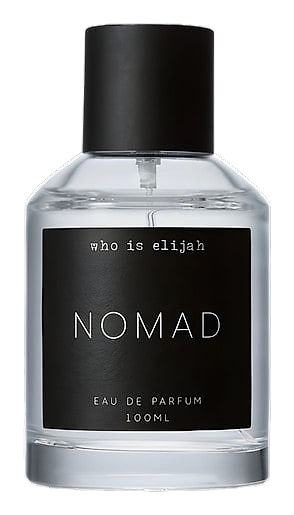
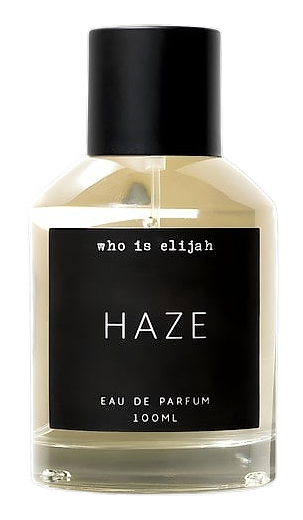
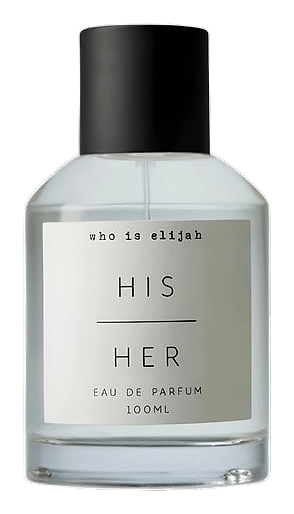
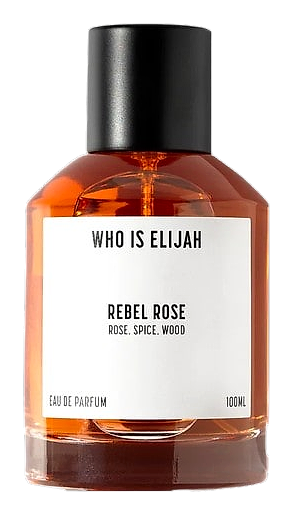
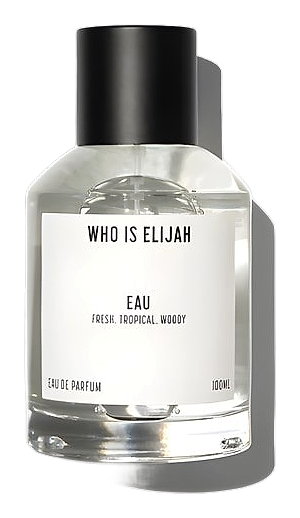
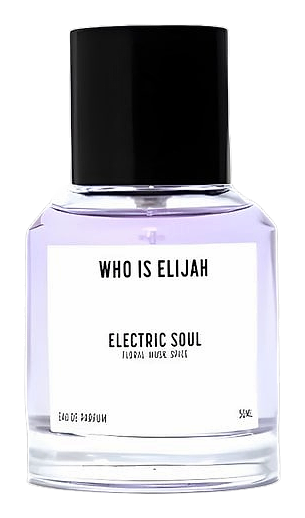
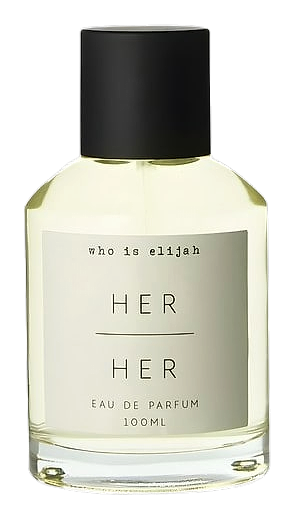
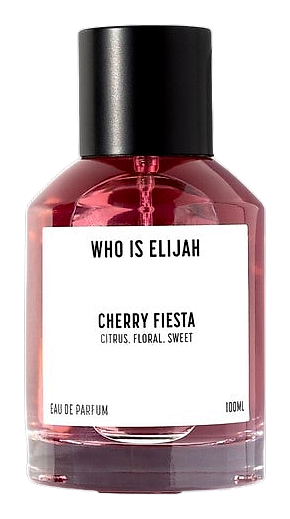
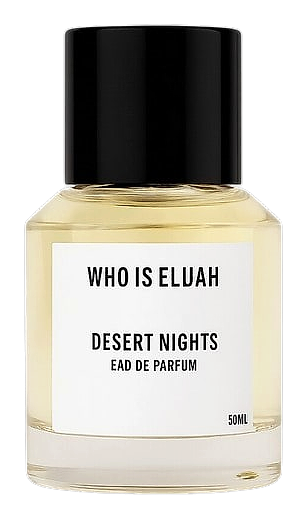
Who is ElijahWho is Elijah is an independent fragrance house headquartered in Sydney, Australia. Founded by Raquel Bouris after a pivotal trip to Coachella in 2017, the brand translates personal moments into minimalist scents that emphasize longevity and ingredient integrity. The line includes a mix of gender‑neutral and gender‑specific releases such as Electric Soul (2024), Haze (2020), and His | Her (2018). Each perfume is presented in clean glass bottles that reflect the brand’s understated aesthetic, while the formulations prioritize high‑quality natural and synthetic notes sourced with an eye toward ethical practice.
The Creator
Raquel BourisRaquel’s signature technique blends raw natural extracts with synthetically refined notes, creating a bridge between tradition and modernity. She often layers a bright top of bergamot or pink pepper with a heart of Australian wattle and a base of soft ambergris‑inspired musk.