
Heritage
A house, in its own words
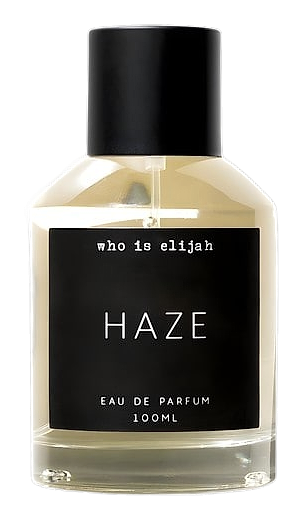
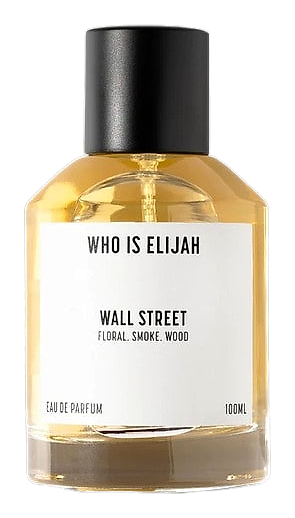
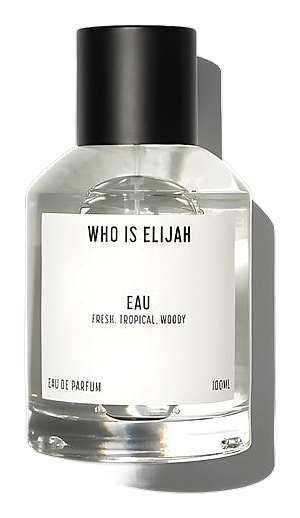
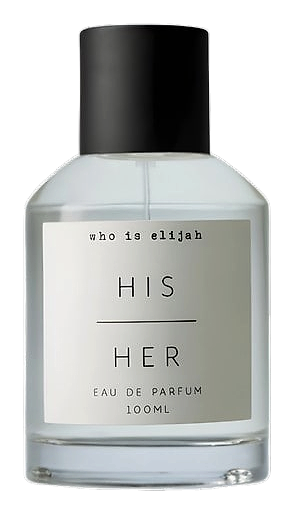
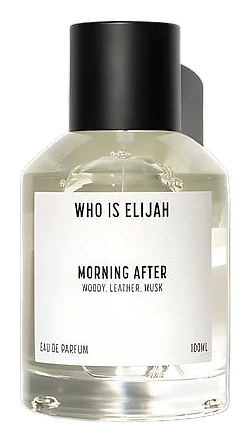
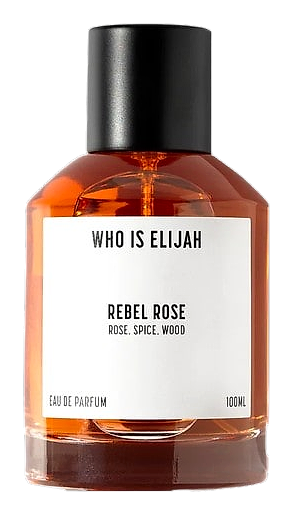
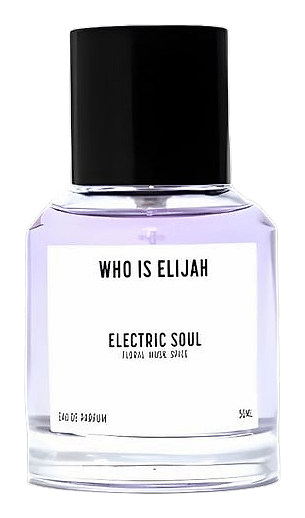
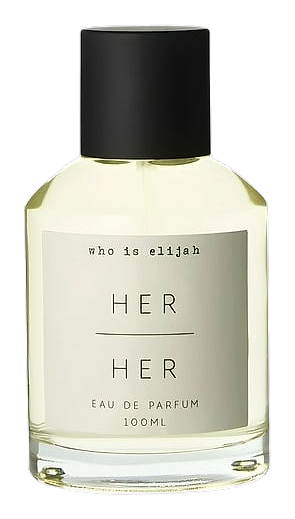
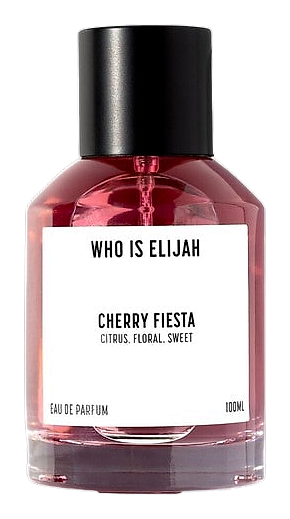
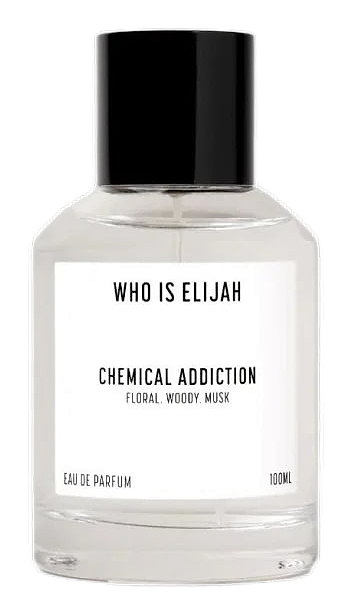
Raquel Bouris first encountered a signature festival fragrance at Coachella in 2017. Captivated by its composition, she returned to Sydney with a resolve to create her own version, not by copying the scent but by capturing the feeling of that night. Using $12,000 of personal savings, she launched Who is Elijah later that year, naming the house after the biblical figure to suggest a narrative‑driven approach to scent. The inaugural offering, His | Her, arrived in 2018 and quickly attracted attention from niche‑fragrance enthusiasts for its balanced blend of citrus and woody accords. In 2020 the brand expanded its portfolio with Haze and Muse, both noted for their airy, modern profiles. 2022 saw the release of Eau, a minimalist aquatic fragrance that underscored the house’s commitment to clean olfactory storytelling. The following year, Cherry Fiesta and Morning After demonstrated an ability to blend playful fruit notes with sophisticated dry‑down structures. 2024 marked a prolific period with three launches—Electric Soul, Rebel Rose, and Wall Street—each exploring different facets of contemporary perfumery, from vibrant gourmand to sleek urban chic. By 2025 the line grew to include Chemical Addiction, a bold, experimental scent that pushed the brand’s technical boundaries. Throughout this growth, Who is Elijah maintained a focus on independent production, avoiding large‑scale licensing deals and retaining control over formulation and packaging. Financial reports in 2023 indicated that the company had scaled to a multimillion‑dollar operation, reflecting both domestic demand and growing international interest, particularly in North America and Europe. The brand’s trajectory illustrates how a single inspirational moment can evolve into a sustained creative enterprise rooted in authenticity and craft. The creative vision at Who is Elijah centers on translating lived experiences into scent narratives that feel both personal and universal. Raquel Bouris describes the process as listening to moments—whether a sunrise over a desert festival or the quiet after a night out—and then distilling that memory into a fragrance language. The house emphasizes transparency: ingredient lists are published on each bottle, and sourcing decisions are guided by sustainability criteria that prioritize suppliers with documented ethical practices. Rather than chasing trends, the brand seeks to develop compositions that endure beyond seasonal hype, favoring long‑lasting accords that evolve on the skin. Community feedback informs future releases, but the final decision rests on whether a scent aligns with the house’s core values of honesty, simplicity, and emotional resonance. This philosophy extends to marketing, where storytelling replaces overt hype, and to distribution, where the brand chooses curated retail partners that share a commitment to quality over volume.