The Story
Why it exists.
The beginning
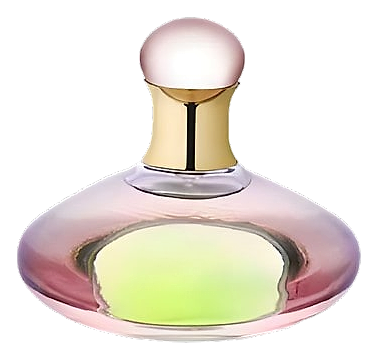
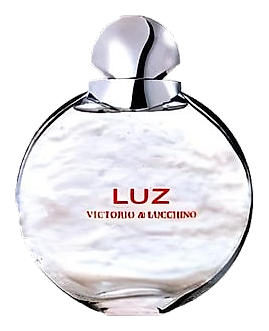
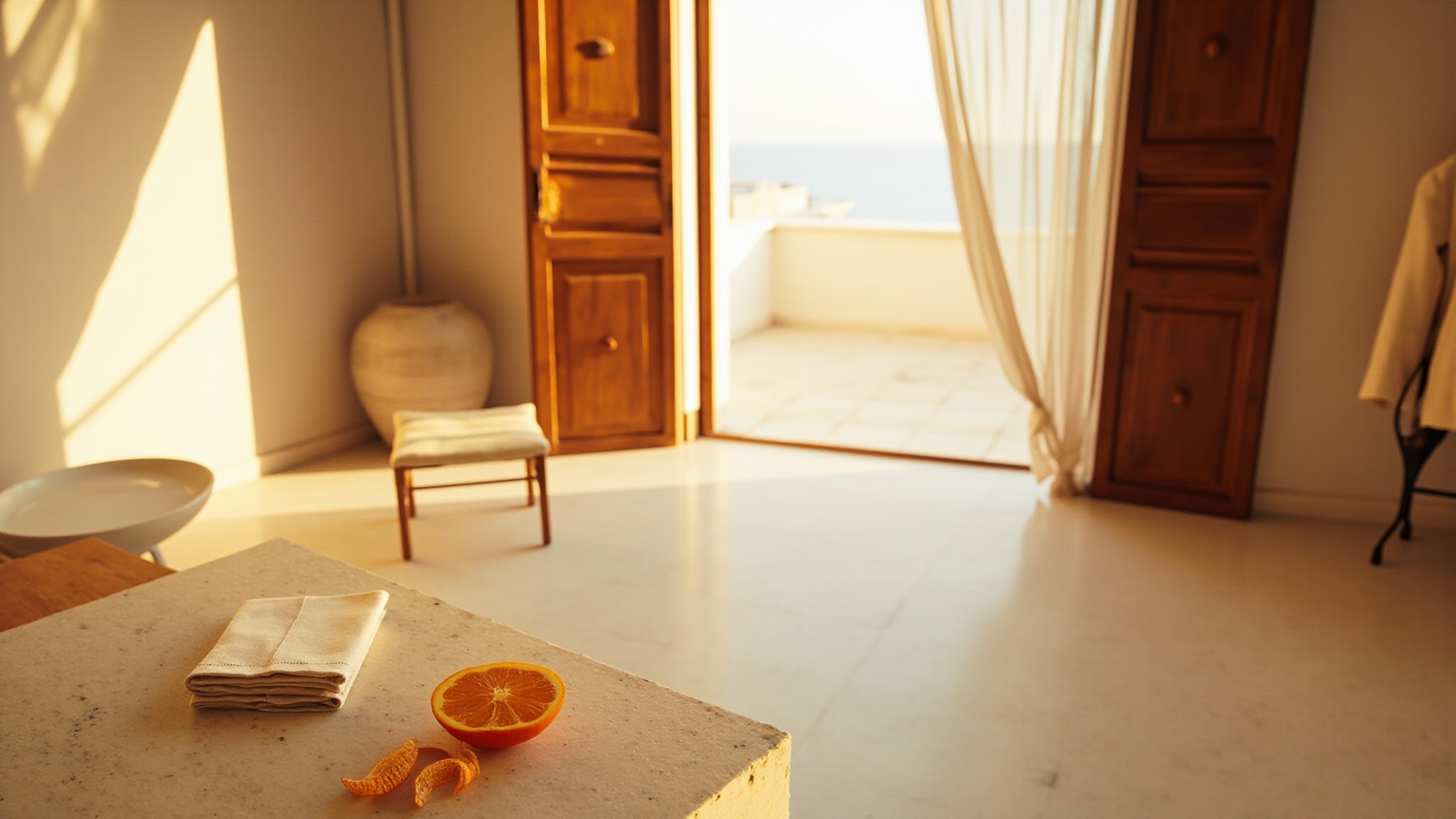
Luz means light in Spanish, and this one pulls directly from the Costa de la Luz, that stretch of Atlantic coastline in western Andalusia where the sun arrives at a different quality than anywhere else in southern Spain. Victorio & Lucchino released Luz in 2002, and the name and concept both reach for that specific Atlantic-facing brightness. The brand is a Spanish fragrance house with roots in Andalusia, and Luz is one of the clearest expressions of place in its catalogue. The bottle was designed by Andre Ricard, whose clean architectural sensibility shows in the final vessel. Marketing and distribution sit with Puig. The fragrance itself sits firmly in the citrusy-floral category, built around a compact list of seven materials rather than a sprawling pyramid.
What's interesting is the compression. Seven notes, no padding. The clementine, mandarin, and gardenia carry the whole opening while magnolia softens the transition into the woody base. Luz commits to a single bright idea and lets each ingredient carry one job, with no ingredient fighting for attention or doubling up on another. There's also a deliberate interplay between citrus and white floral working over sandalwood and cedar.
The evolution
First quarter hour is almost pure clementine and mandarin, bright and sweet-citrusy in a way that reads as candied rather than sharp. The orange zest lands clean, no bitter pith underneath. You get the impression of biting into a ripe clementine at room temperature, juice running slightly sweet on the tongue rather than tart. Then the gardenia blooms. Magnolia softens the edges. This is the ambery-floral stage that carries the middle of the wear, warm and slightly almond-like against the residual citrus. The florals stay creamy rather than sharp, which keeps the whole thing from tipping into soapy territory. There's a lactonic quality to the gardenia that gives the heart a smooth, almost milky texture, and the magnolia adds a green-leaning softness that prevents the cream from becoming cloying.
Cultural impact
Luz carries an unmistakably Andalusian character, and that specificity is part of what gives the fragrance its lasting appeal. The scent reads as rooted in a particular coastline and a particular quality of light, more than as a member of any broader international fragrance family. That sense of place has helped it resonate with wearers who want something that feels tied to familiar geography rather than abstracted from it. The composition leans on regional inspiration, drawing its core notes from ingredients that evoke Mediterranean and Atlantic coastlines: clementine, mandarin, gardenia, magnolia, sandalwood, cedar.