
The Story
Why it exists.
The beginning
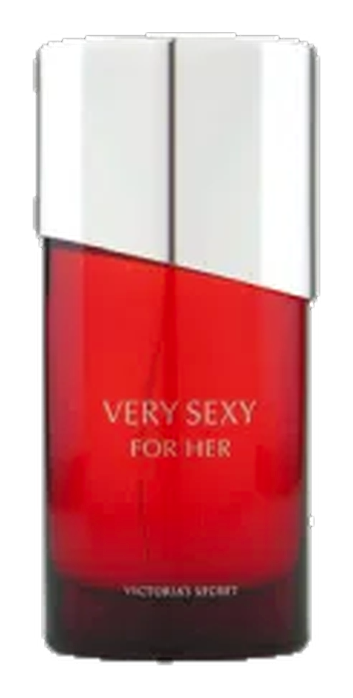
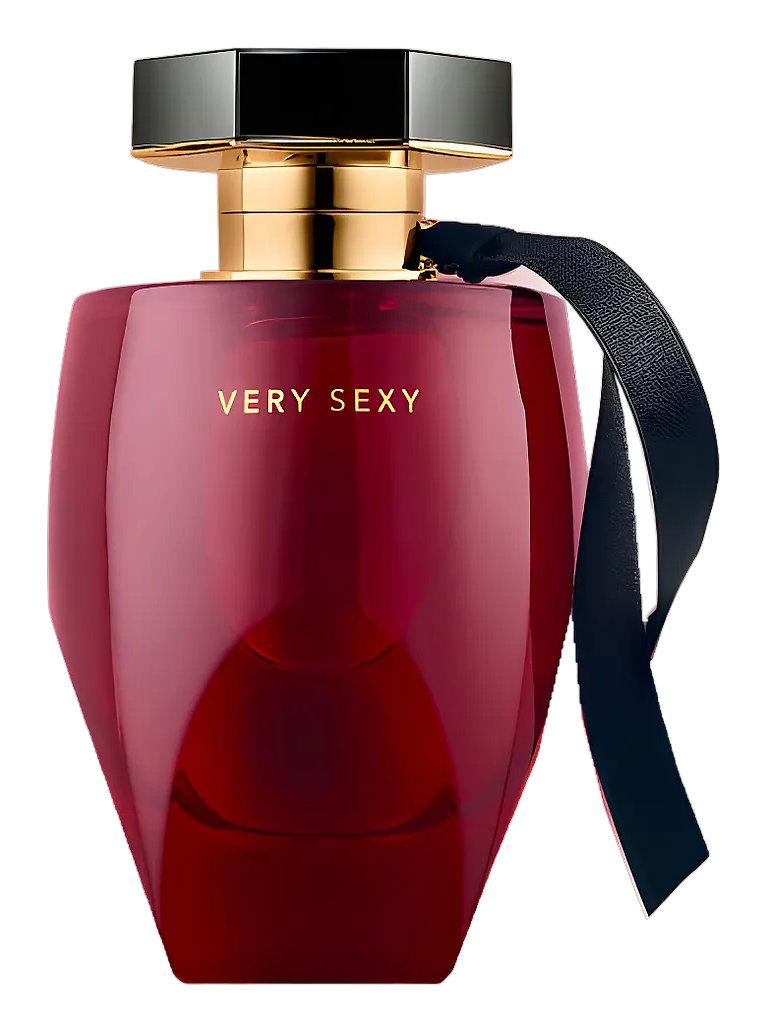
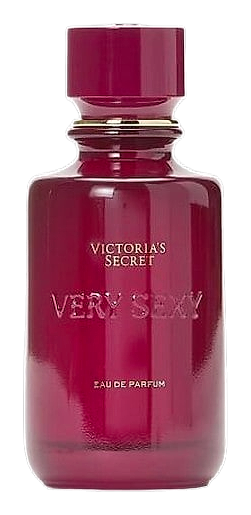
Very Sexy arrived in 2007 from perfumer Jean-Claude Delville. Delville reached for contrasts, bright citrus against dark fruit, warm vanilla beneath a peppery spark. The name said everything. It was bold, it was confident, it made its presence known from the first spray. The citrus opens sharp and sunny, immediately grabbing attention. The dark fruit adds depth without heaviness, and that vanilla warmth grounds everything in a creamy softness that lingers. The peppery note adds just enough kick to keep it interesting, a reminder that this fragrance knows what it wants to be.
What makes the structure interesting is how the Cappuccino note functions. It doesn't sit in the base where you'd expect it, it arrives early, in the top, lending an unexpected edge that most floral-fruity compositions don't attempt. Paired with clementine, it reads almost bitter before the florals soften everything. The vanilla and blackberry in the base then pull it toward warmth, but that initial Cappuccino-pepper jolt is the signature move, the thing that keeps it from being just another sweet floral.
The evolution
The opening hits fast. Pink pepper sparks against clementine's brightness, with a Cappuccino accent that adds weight without darkness. Within minutes, the florals arrive, camellia, hydrangea, mimosa, softening the edges into something rounder. The vanilla follows, not immediately, but as the florals begin to settle, it emerges like warmth finding its way in. The drydown is where it lives longest: blackberry and amber, a dusky sweetness that clings close and stays for six to eight hours on most skin types. On fabric, it lingers into the next day. The progression is smooth, each phase building naturally on the last, and that early Cappuccino edge never fully disappears, just recedes into the background as the softer notes take over.
Cultural impact
Very Sexy occupies a specific position in the American fragrance landscape: bold enough to make a statement, accessible enough to wear without occasion. The Cappuccino-vanilla-blackberry combination gives it a warmth that reads as evening-appropriate, while the floral heart keeps it from feeling heavy. It's the kind of fragrance that works when you want to be noticed but not analyzed. The blend manages to feel both inviting and intriguing, the sort of scent that draws people close without demanding their full attention.
The House
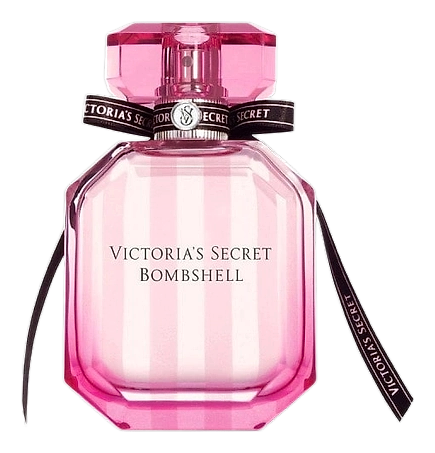
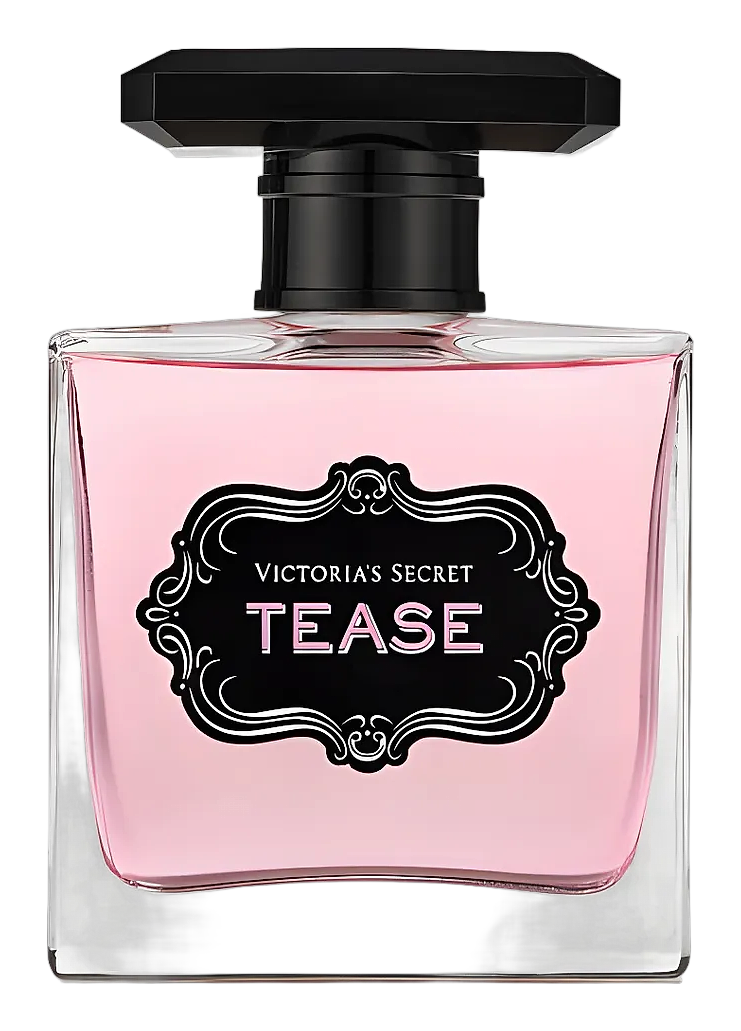
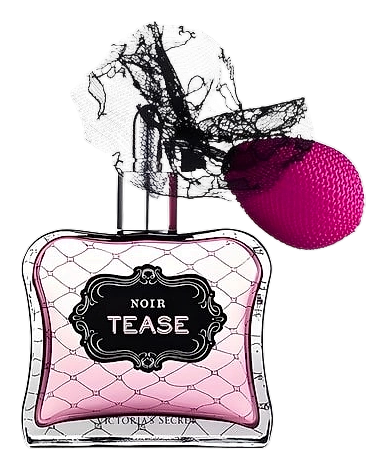
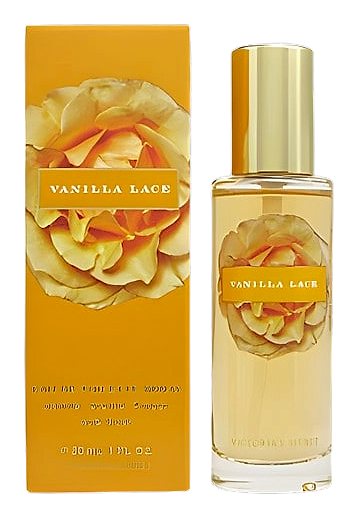
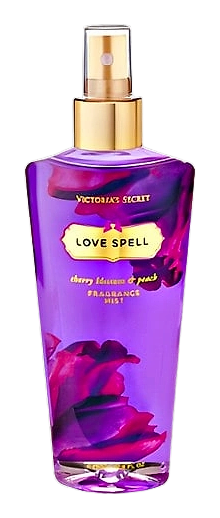
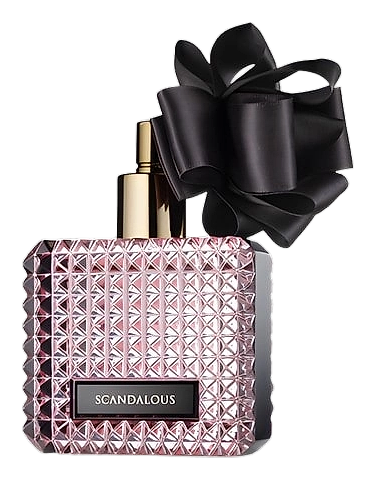
Victoria's SecretVictoria's Secret began as a San Francisco lingerie company founded in 1977 by Stanford graduate student Roy Raymond and his wife Gaye. The brand entered fragrance in 1989, launching its first perfume Victoria as part of a national magazine campaign. By the early 1990s, the company had grown to 350 stores nationwide with estimated sales of $1 billion. The beauty division grew substantially enough to generate nearly $1 billion in sales by 2006. Victoria's Secret fragrances are developed through Givaudan's Paris laboratory, the same fragrance house behind perfumes for Tom Ford, Prada, and Louis Vuitton. The brand works with a rotating roster of over 30 perfumers rather than a single in-house nose, creating scents for its Dream Angels, Very Sexy, Body, and Pink collections. Popular fragrances include Bombshell, Love Spell, Tease, and Heavenly, which ranked as the top-selling fragrance in the United States by both revenue and volume from 2005 to 2010. Victoria's Secret has won 20 Fragrance Foundation awards since 2001. The company offers fragrances alongside perfumed body care products including body mists, body lotions, and eau de parfum in various formats.
The Creator
Jean-Claude DelvilleDelville's style resists easy summary, which is perhaps the point. He moves between floralorientals, fresh citruses, and powdery aldehydic compositions with apparent ease.