
The Story
Why it exists.
The beginning
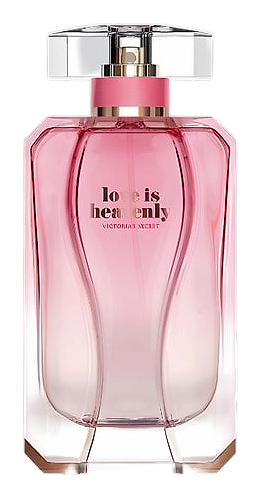
Laurent Le Guernec created Love is Heavenly for Victoria's Secret in 2012, bottling the idea of fresh spring love, joy, excitement, and purity in an accessible fruity-floral. The name says everything: not a grand passion, but something hopeful and new. Mandarin blossom, water lily, and luminous musk form the emotional core, a scent meant to feel like the beginning of something, not the peak of it. Victoria's Secret launched it as part of a full body care collection, making the fragrance feel like part of a ritual rather than a luxury reserved for special occasions. It was reissued in 2016 with minor tweaks, confirming the formula struck a chord worth revisiting.
What makes Love is Heavenly interesting is its architecture: fruity and floral shouldn't coexist this easily, yet the kiwi and blackberry give the mandarin blossom something to play against rather than compete with. Water lily is the quiet bridge, aquatic enough to cool down the sweetness, soft enough to let freesia and peony take center stage. Then the woody base sneaks in: mahogany and ebony don't announce themselves, but they prevent the whole thing from floating away into pure airiness. It's a fragrance that refuses to commit to one register, blending freshness with warmth, sweetness with structure.
The evolution
The opening hits bright, mandarin blossom and kiwi, that 2pm-on-a-terrace energy. Within 15 minutes, water lily and freesia arrive to soften everything, and for the next two hours you've got a garden party wrapped in sunshine. Then the freesia begins to fade and something warmer emerges: sandalwood, mahogany, the ghost of ebony. The musk anchors it all, close to the skin now, intimate rather than announced. By hour four, it's skin-warm and quiet, something you catch when you move. Doesn't fill rooms. It speaks to whoever's standing next to you.
Cultural impact
Love is Heavenly found its audience in the woman who wants something pretty without pretense, bright and flirtatious, but never overwhelming. It's the kind of fragrance that reads as effortlessness, even though the balance between fruity sweetness and woody grounding takes some skill to achieve. Victoria's Secret positioned it as one of their most romantic offerings, yet the tropical kiwi and mandarin opening keep it from feeling precious. Wearers describe it as the scent of someone who walks into a room and smiles first, asks questions second.
The House
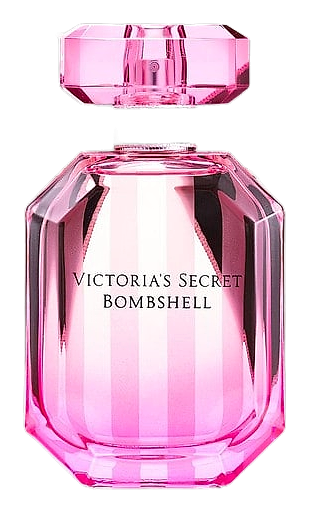
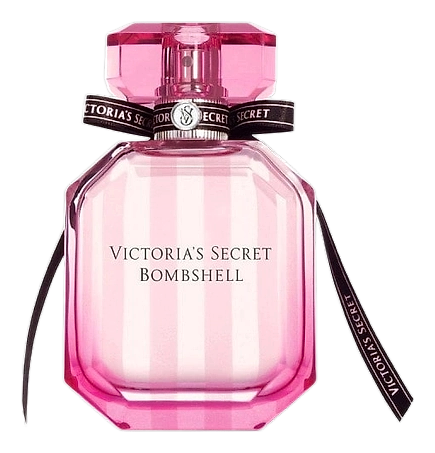
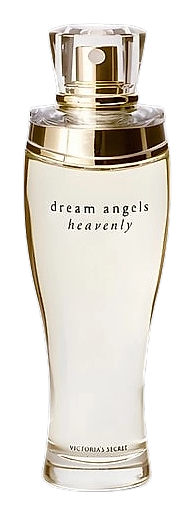
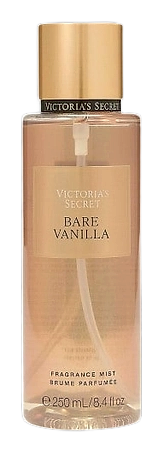
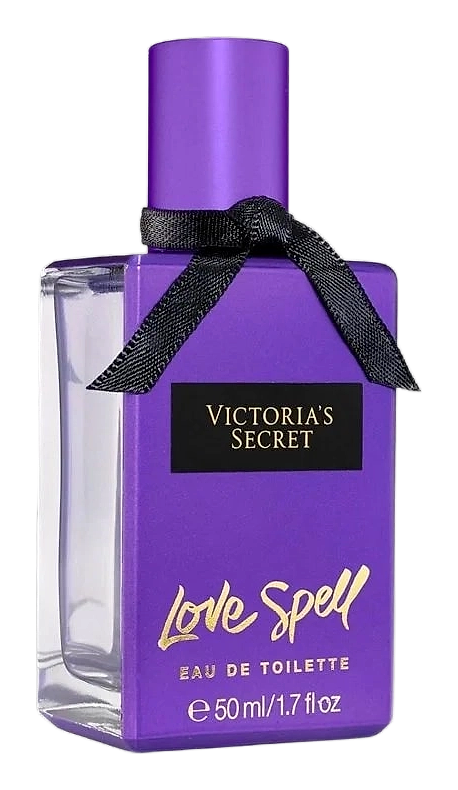
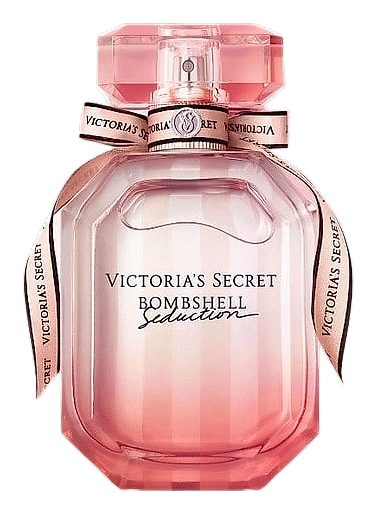
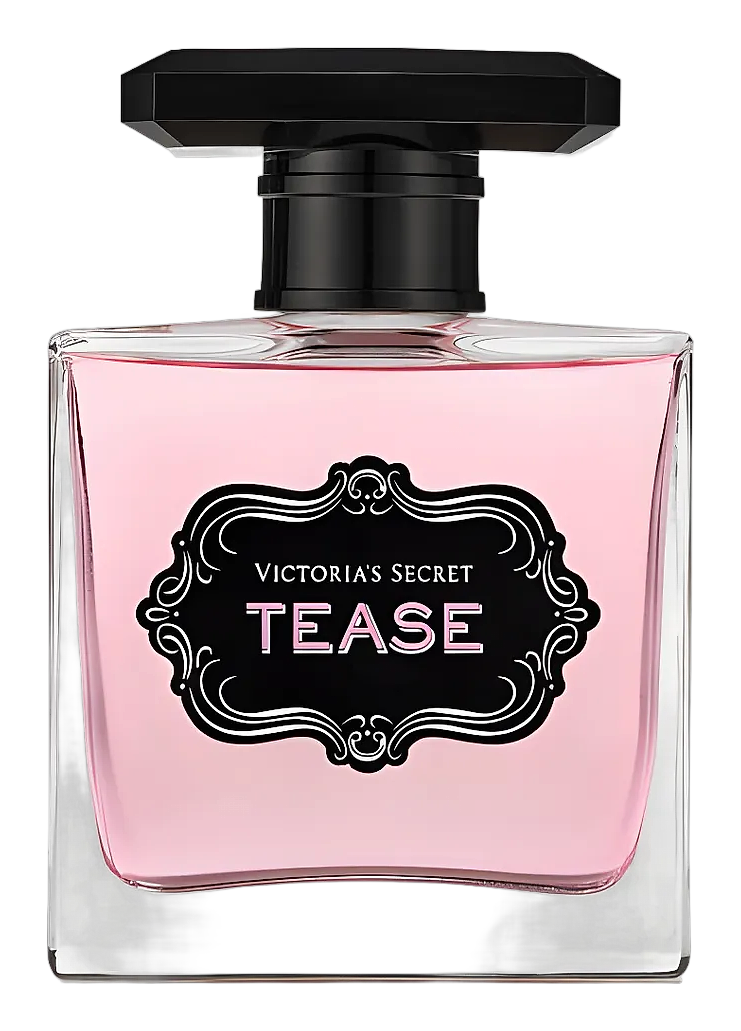
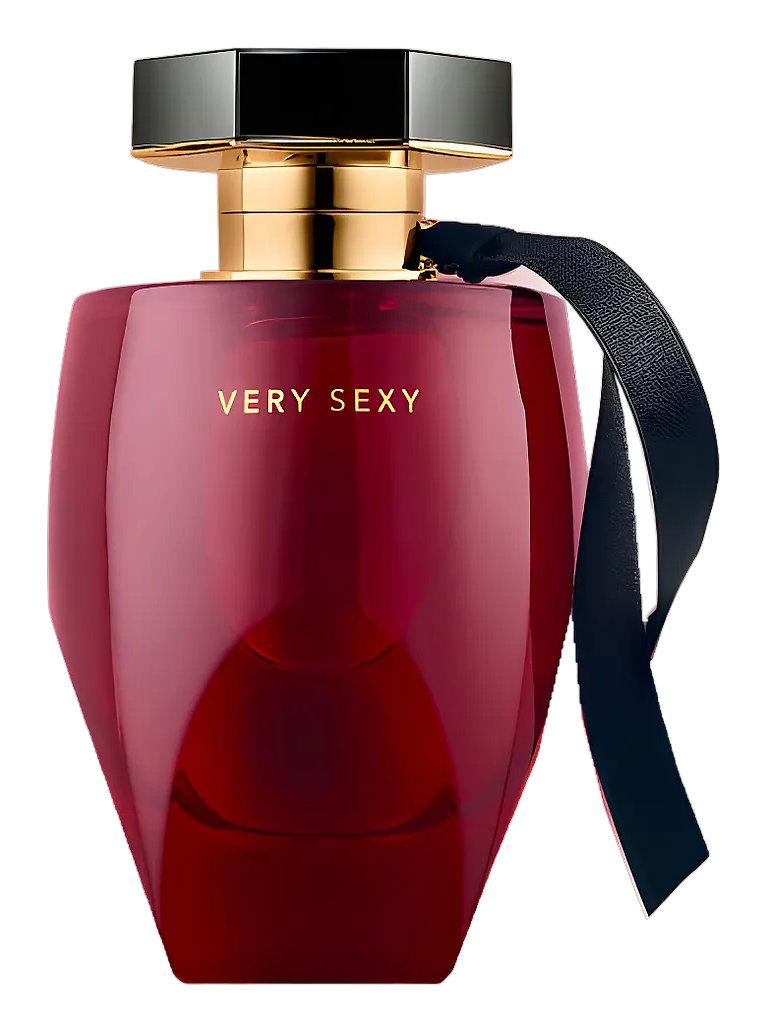
Victoria's SecretVictoria's Secret began as a San Francisco lingerie company founded in 1977 by Stanford graduate student Roy Raymond and his wife Gaye. The brand entered fragrance in 1989, launching its first perfume Victoria as part of a national magazine campaign. By the early 1990s, the company had grown to 350 stores nationwide with estimated sales of $1 billion. The beauty division grew substantially enough to generate nearly $1 billion in sales by 2006. Victoria's Secret fragrances are developed through Givaudan's Paris laboratory, the same fragrance house behind perfumes for Tom Ford, Prada, and Louis Vuitton. The brand works with a rotating roster of over 30 perfumers rather than a single in-house nose, creating scents for its Dream Angels, Very Sexy, Body, and Pink collections. Popular fragrances include Bombshell, Love Spell, Tease, and Heavenly, which ranked as the top-selling fragrance in the United States by both revenue and volume from 2005 to 2010. Victoria's Secret has won 20 Fragrance Foundation awards since 2001. The company offers fragrances alongside perfumed body care products including body mists, body lotions, and eau de parfum in various formats.
The Creator
Laurent Le GuernecLaurent’s style leans on precise, clean structures. He favors bright citrus, crisp green notes, and nuanced fruit that sit on a subtle mineral base.