The Story
Why it exists.
The beginning
Dream Angels Glow arrived in 2012 as part of Victoria's Secret's expanded Dream Angels collection, developed with perfumer Frank Voelkl. The brief was straightforward: luminous. Not flashy, not aggressive. A fragrance that felt like warmth without texture, the kind of glow you see on skin in late afternoon light. The fruity-floral structure was familiar territory for the brand, but the cashmere wood and white tea addition pushed it somewhere softer than the bombshell intensity of earlier releases. It was positioned as the Dream Angels signature, warm, intimate, and impossible to resist without trying too hard.
What makes Dream Angels Glow interesting is the cashmere wood, a material that smells like nothing so much as warm skin and soft fabric. It's not a common base note. Most fragrances reach for sandalwood or vanilla when they want warmth; cashmere wood brings something cleaner, more powdery, closer to the smell of cashmere itself. Combined with the white tea in the heart, a note that smells like cleanliness, like steam rising from a warm cup, the composition earns its "glow." The pink pepper in the top is the clever move: a tiny spice that keeps the berries from reading as candy. It's the detail that makes the whole thing believable.
The evolution
The opening hits bright, wild berries and pear arrive clean, with pink pepper lifting everything slightly upward. It smells like morning, like the first sip of something sweet and cold. Within minutes, the florals take over. Peony is soft and almost buttery; white tea keeps it grounded with a clean, green whisper. The transition from berry to floral is smooth, not jarring. Freesia and iris join around the 20-minute mark, adding a powdery softness that deepens the feminine register. Then the drydown arrives, and this is where the fragrance earns its name. Amber and cashmere wood settle into skin, warm and skin-close. The musk isn't animalic; it's clean, the kind that stays close to the body. Six to eight hours later, you're left with a faint cashmere warmth that smells like someone who just left the room.
Cultural impact
Dream Angels Glow found its audience in the space betweenVB's bolder releases and the soft, approachable energy of the Dream Angels line. It's been discontinued, which has only deepened the appreciation among those who remember it as the perfect everyday option, feminine, warm, and impossible to resist without trying too hard.
The House
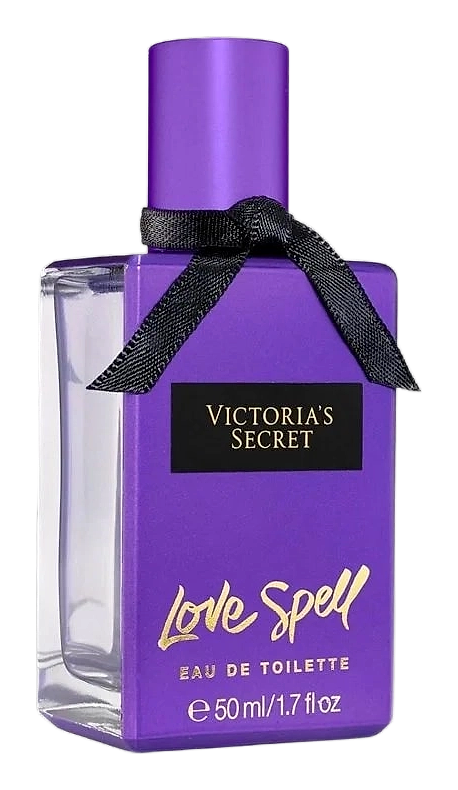
Victoria's SecretVictoria's Secret began as a San Francisco lingerie company founded in 1977 by Stanford graduate student Roy Raymond and his wife Gaye. The brand entered fragrance in 1989, launching its first perfume Victoria as part of a national magazine campaign. By the early 1990s, the company had grown to 350 stores nationwide with estimated sales of $1 billion. The beauty division grew substantially enough to generate nearly $1 billion in sales by 2006. Victoria's Secret fragrances are developed through Givaudan's Paris laboratory, the same fragrance house behind perfumes for Tom Ford, Prada, and Louis Vuitton. The brand works with a rotating roster of over 30 perfumers rather than a single in-house nose, creating scents for its Dream Angels, Very Sexy, Body, and Pink collections. Popular fragrances include Bombshell, Love Spell, Tease, and Heavenly, which ranked as the top-selling fragrance in the United States by both revenue and volume from 2005 to 2010. Victoria's Secret has won 20 Fragrance Foundation awards since 2001. The company offers fragrances alongside perfumed body care products including body mists, body lotions, and eau de parfum in various formats.
The Creator
Frank VoelklVoelkl's style is characterized by a certain versatility. He's demonstrated a knack for both clean, minimalist compositions and richer, more complex blends.