
The Story
Why it exists.
The beginning
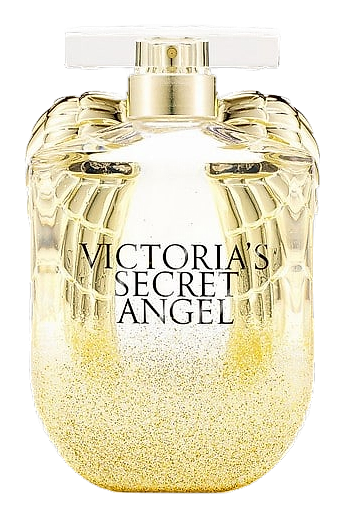
Angel Gold arrived in 2015 as part of Victoria's Secret's ongoing exploration of what glamour smells like. Not quiet, not restrained, the brand has never been interested in either. The name says it all: gold as aspiration, gold as the thing you reach for when you want to be noticed. Developed at Givaudan's Paris laboratory alongside fragrances for Tom Ford and Prada, Angel Gold was built to deliver that signature VS confidence in a bottle that doesn't require explanation. The note pyramid is intentionally simple, bergamot, gardenia, musk, because sometimes directness hits harder than complexity.
What makes Angel Gold interesting isn't the pyramid's architecture, it's the contrast between the opening and the base. Bergamot is bright, almost biting, a flash of citrus that clears the air. Gardenia is its opposite: creamy, heady, unabashedly floral. The two don't naturally cooperate, which is exactly why they work. Bergamot teases, gardenia delivers, and musk holds everything close to the skin so the drydown stays intimate long after the initial spark fades. It's a composition that trades subtlety for conviction, and wins.
The evolution
Bergamot hits first. Quick, clean, a burst of citrus that reads as effortless rather than calculated. It lasts maybe 20 minutes before gardenia arrives and takes over completely. Not gradually, arrives. This is the fragrance's thesis statement: the gardenia is loud, creamy, slightly animalic in that way white florals can be when they want to. It dominates for the next few hours. Musk shows up underneath around hour three, not replacing the gardenia but softening it, making it skin-close rather than room-filling. By hour five or six, it's mostly musk and memory, the kind of trace that makes people lean in when you're close. On clothes, it lasts longer. Much longer.
Cultural impact
Angel Gold arrived in 2015 as Victoria's Secret pushed into premium positioning within the mass-market space. The collaboration with Givaudan's Paris laboratory placed the fragrance alongside work for Tom Ford, Prada, and Louis Vuitton, signaling ambition beyond the brand's typical lineup. Bergamot and gardenia became the signature pairing, reflecting a broader trend toward bright citrus florals in women's perfumery. The 2015 launch also expanded Victoria's Secret's approach to accessibility, bringing a more complex composition within reach of a wider audience. This positioning influenced subsequent releases in the brand's fragrance range, as the formula balanced immediate appeal with enough depth to reward extended wear.