The Story
Why it exists.
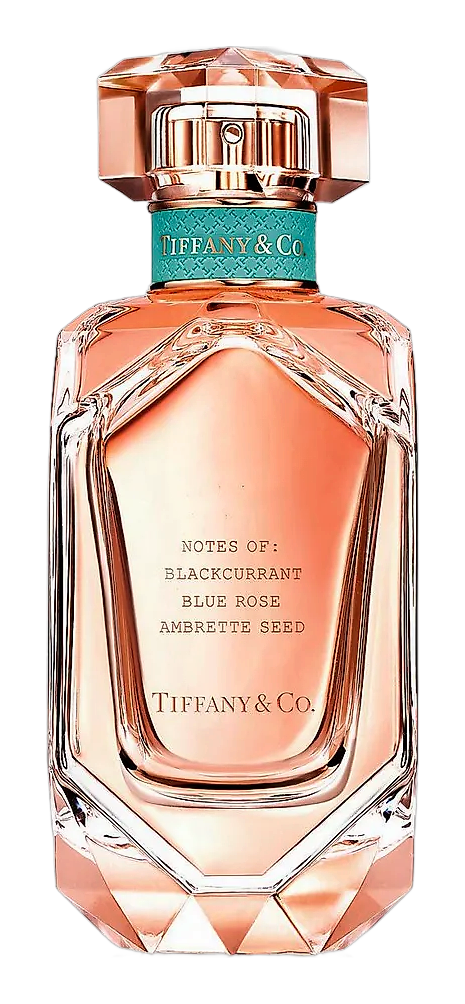
When Tiffany & Co. approached perfumer Jérôme Epinette about Rose Gold in 2021, the project presented an intriguing creative challenge. The composition centers on a rose note that serves as the primary element, with a subtle metallic quality woven throughout. The result feels luminous rather than heavy, with the warmth of precious metal echoing through the dry down. There's a gentle shimmer to the overall effect that distinguishes it from more conventional floral arrangements. The structure allows the rose to remain present without becoming overwhelming, maintaining a refined presence that evolves gracefully across the wear. This balance of intimacy and elegance captures something specific to the Tiffany aesthetic, where luxury meets approachability.
If this were a song
Community picks
Golden
Jill Scott
The Beginning
When Tiffany & Co. approached perfumer Jérôme Epinette about Rose Gold in 2021, the project presented an intriguing creative challenge. The composition centers on a rose note that serves as the primary element, with a subtle metallic quality woven throughout. The result feels luminous rather than heavy, with the warmth of precious metal echoing through the dry down. There's a gentle shimmer to the overall effect that distinguishes it from more conventional floral arrangements. The structure allows the rose to remain present without becoming overwhelming, maintaining a refined presence that evolves gracefully across the wear. This balance of intimacy and elegance captures something specific to the Tiffany aesthetic, where luxury meets approachability.
What sets Rose Gold apart in the florist's row of rose fragrances is its use of ambrette seed. The material, the oil pressed from musk mallow seeds, doesn't merely add a musky base. It actually bends the other notes, softening the blackcurrant's bite and making the iris read powdery rather than sharp, giving the blue rose something to lean into. The composition isn't a three-layer cake with borders between stages. It's a single continuous warmth that unfolds at slightly different speeds depending on where it meets skin, which is why it consistently surprises people on re-wear. The synthetic tag in its accords isn't a flaw, it's the architecture.
The Evolution
The opening is all blackcurrant, a bright, effervescent tartness that snaps the air around you for the first thirty minutes. On some skin it reads almost candied; on others, crisper, greener. Forty minutes in, the blue rose arrives. Not a single petal dropped at your feet, more like the warmth you smell on someone walking past. The iris follows, sliding the composition toward powder without ever becoming dusty. What happens next is the ambrette doing its quiet work: the fragrance stops projecting and starts radiating, warmth concentrated against the skin rather than reaching outward. Six to eight hours in, depending on your skin, what's left is a close, skin-warm presence, barely there unless someone leans in, which is exactly the point.
Cultural Impact
Tiffany & Co Rose Gold launched in 2021 as part of the house's broader expansion into accessible luxury fragrance, reflecting a strategic pivot by a storied American jewelry brand seeking new revenue streams and younger consumers. The fragrance arrived amid a resurgence of rose florals in the luxury market, yet distinguished itself through its powdery, skin-warm character rather than the bold, sillage-driven rose scents dominating the era. By positioning Rose Gold at a price point accessible to fragrance enthusiasts outside traditional jewelry buyers, Tiffany & Co signaled a democratization of its heritage, a calculated move reflecting a broader industry trend where established fashion houses diversify into lifestyle products to capture younger demographics. The scent's moderate projection and intimate wear pattern aligned with evolving consumer preferences favoring personal, close-range fragrance experiences over room-filling presence, a shift that redefined what luxury fragrance wearability meant in the post-2020 market. Rose Gold also contributed to normalizing rose-iris compositions for daytime professional wear, expanding the cultural perception of powdery florals from vintage associations into contemporary, versatile territory.
The House
United States · Est. 1837
Tiffany & Co. extends its storied jewelry legacy into fragrance, offering scents that echo the house’s signature elegance. Since the late 1980s the brand has released a series of eau de parfums that translate the clarity of its iconic blue box into olfactory form. From the original Tiffany (1987) to the recent White Edition (2019) and Rose Gold (2021), each composition balances refined florals, crisp citrus and subtle musk, inviting wearers to experience the same quiet confidence that defines a Tiffany piece. The line is produced under a licensing agreement with Coty, which ensures that the fragrances meet the same standards of quality expected of the jeweler’s creations.
If this were a song
Community picks
Rose Gold calls to mind a late morning, sunlight through a window, something being polished, someone who carries quiet authority without trying. The music should feel luminous and unhurried, with warmth that stays close rather than expands outward. Jazz-tinged textures, soft electronic warmth, and a hint of nostalgia without falling into pastiche.
Golden
Jill Scott