

    Brand Profile

    Tiffany & Co. extends its storied jewelry legacy into fragrance, offering scents that echo the house’s signature elegance. Since the late 19…More

    United States·Est. 1837·Site

    5

    Fragrances

    3.9

    Rating

    18
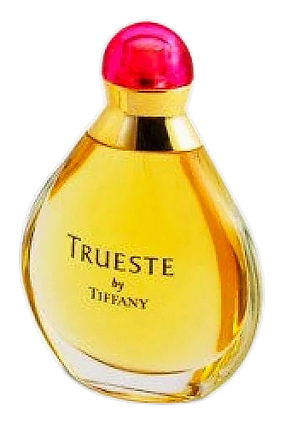
    Trueste by Tiffany
    Best Seller
    4.3

    Trueste

    Tiffany & Love For Her by Tiffany – Eau de Parfum
    4.0

    Tiffany & Love For Her

    Eau de Parfum

    Tiffany & Co Rose Gold by Tiffany – Eau de Parfum
    3.9

    Tiffany & Co Rose Gold

    Eau de Parfum

    Tiffany & Love For Him by Tiffany
    3.8

    Tiffany & Love For Him

    Tiffany & Co by Tiffany – Eau de Parfum
    3.6

    Tiffany & Co

    Eau de Parfum

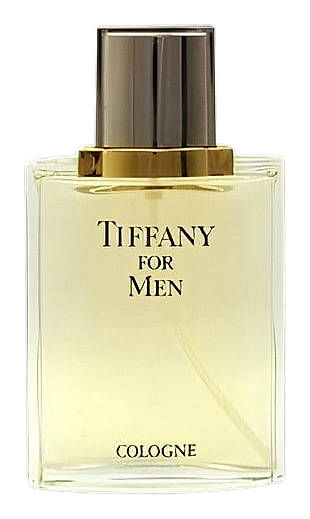
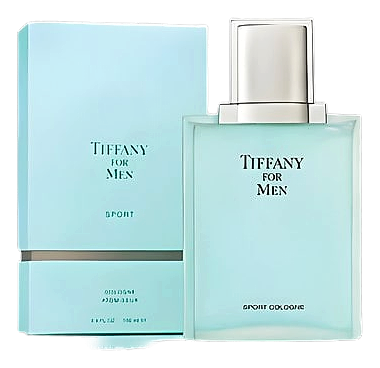
    Tiffany for Men by Tiffany
    Best Seller
    4.4

    Tiffany for Men

    Tiffany Parfum by Tiffany
    Best Seller
    4.4

    Tiffany Parfum

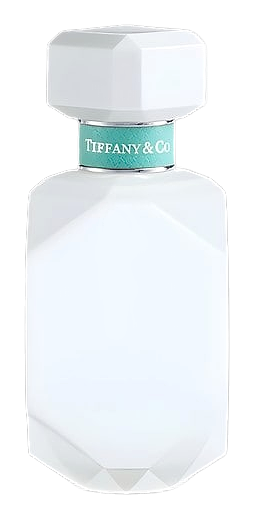
    Tiffany & Co White Edition by Tiffany
    4.2

    Tiffany & Co White Edition

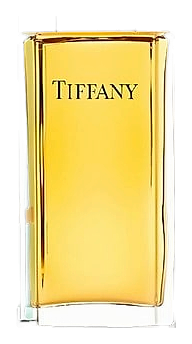
    Tiffany by Tiffany
    4.2

    Tiffany

    Pure Tiffany by Tiffany
    4.1

    Pure Tiffany

    Tiffany for Men Sport by Tiffany
    3.9

    Tiffany for Men Sport

    Tiffany & Co Intense by Tiffany
    3.9

    Tiffany & Co Intense

    1 of 2

    The Heritage

    The Story of Tiffany

    Tiffany & Co. extends its storied jewelry legacy into fragrance, offering scents that echo the house’s signature elegance. Since the late 1980s the brand has released a series of eau de parfums that translate the clarity of its iconic blue box into olfactory form. From the original Tiffany (1987) to the recent White Edition (2019) and Rose Gold (2021), each composition balances refined florals, crisp citrus and subtle musk, inviting wearers to experience the same quiet confidence that defines a Tiffany piece. The line is produced under a licensing agreement with Coty, which ensures that the fragrances meet the same standards of quality expected of the jeweler’s creations.

    Heritage

    Founded on September 18, 1837, by Charles Lewis Tiffany and John B. Young, Tiffany & Co. opened a modest storefront on New York’s Fifth Avenue. The shop sold stationery, fancy goods and a small selection of imported perfumes, quickly becoming a gathering place for the city’s social elite. By the early 20th century the house earned a reputation for pioneering design, most famously introducing the Tiffany Setting engagement ring in 1886 and the distinctive robin‑egg blue packaging in 1845. The brand’s expansion into fragrance began in 1987 when the first Tiffany Eau de Parfum was launched in collaboration with French perfumer Jacques Polge. The scent featured a blend of lily, rose and amber, aiming to capture the luminous quality of a polished diamond. Two years later Tiffany for Men arrived, offering a fresh, woody profile that echoed the masculine edge of the company’s jewelry collections. In 1995 the limited‑edition Trueste was introduced, followed by Pure Tiffany in 2003, a softer reinterpretation that emphasized clean musk and white florals. A licensing partnership with Coty was formalized in 2017, granting the cosmetics group worldwide rights to develop and distribute Tiffany fragrances while the jeweler retained creative oversight. This collaboration produced the 2019 White Edition, a bright, airy fragrance presented in a frosted bottle tinted the brand’s signature blue, and the 2021 Rose Gold, which paired warm amber with pink pepper to echo the metal’s hue. Each launch has been timed to complement major jewelry campaigns, reinforcing the house’s integrated approach to luxury.

    Craftsmanship

    Every Tiffany fragrance is developed in a laboratory that adheres to Coty’s global standards for safety and purity, while the jeweler’s design team reviews each formula for consistency with the brand’s aesthetic. The house commissions perfumers with a track record in high‑end fragrance, such as Jacques Polge for the original 1987 launch and Olivier Polge for the 2019 White Edition, to select raw materials that meet strict quality criteria. Natural extracts like Italian bergamot, French rose and Madagascan vanilla are combined with synthetics that provide stability and longevity, a practice common in luxury perfumery to ensure the scent remains true from the first spritz to the final dry‑down. Ingredient sourcing is documented through supplier audits, and many components are certified by organizations such as the International Fragrance Association (IFRA). Once a formula is approved, it undergoes a series of stability tests that simulate temperature fluctuations and exposure to light, mirroring the care taken in preserving fine jewelry. The final product is bottled in glass vessels that feature the iconic Tiffany blue ribbon or a brushed metal cap, both of which are manufactured in facilities that comply with ISO 9001 quality management standards. Each batch is inspected for scent consistency, color uniformity and seal integrity before being sealed in the signature blue box, a packaging element that has been protected as a trademark since the mid‑20th century.

    Design Language

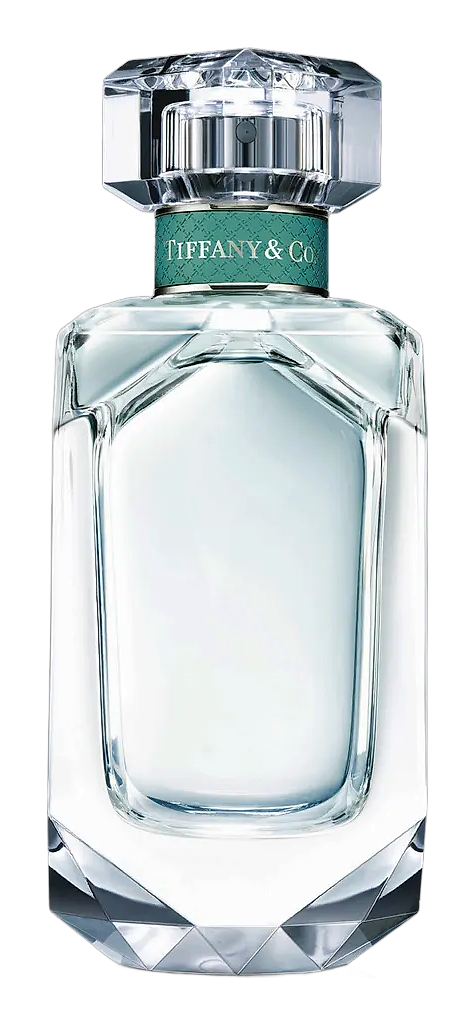
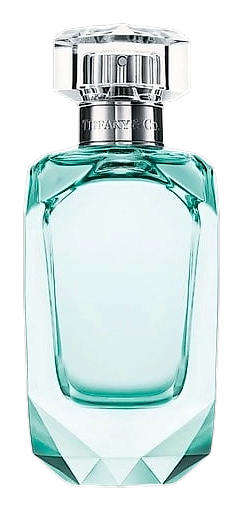
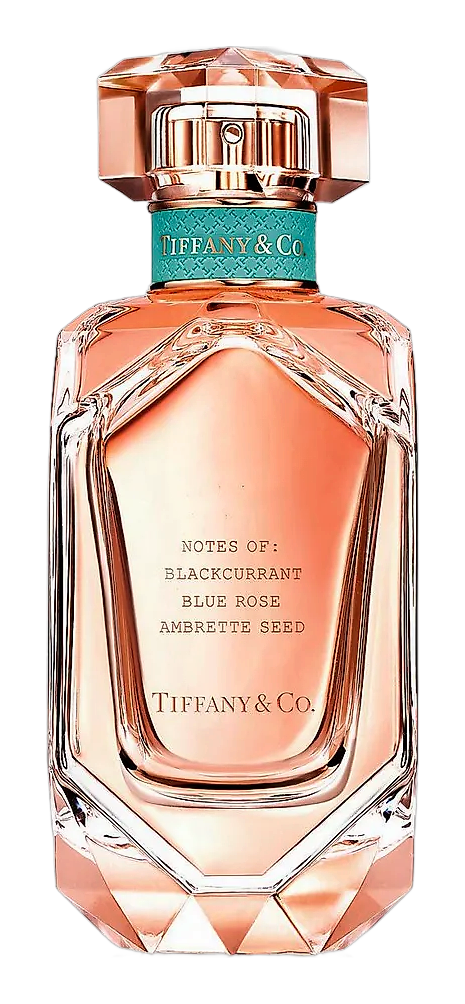
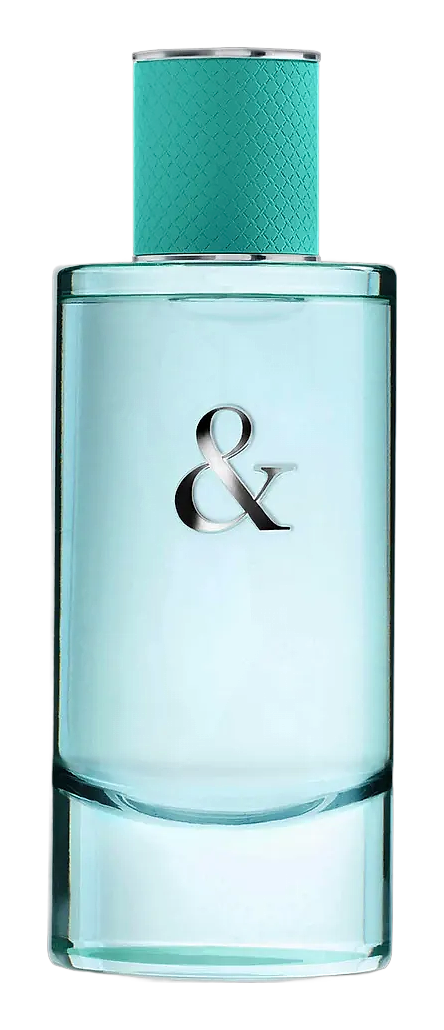
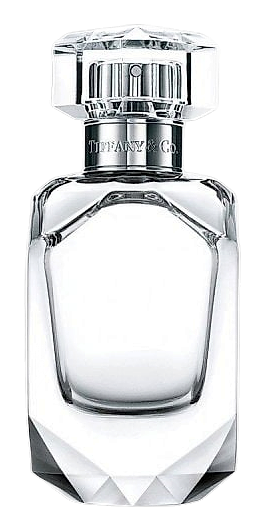
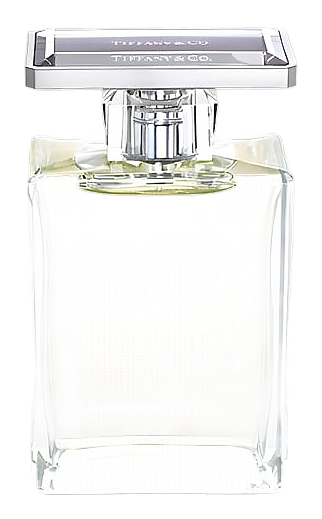
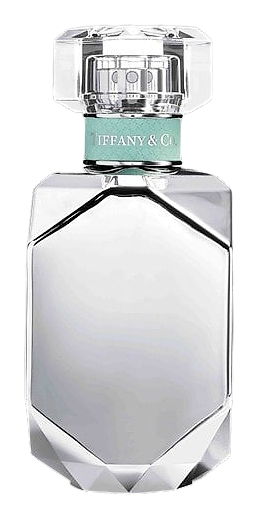
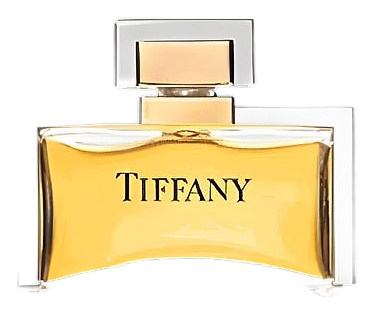
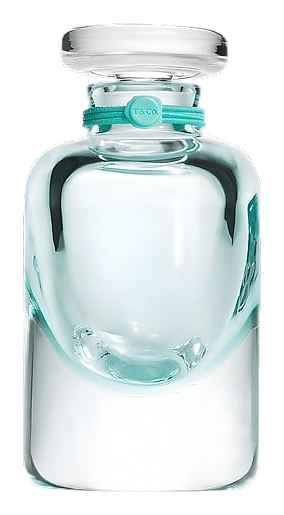
    The visual language of Tiffany fragrances borrows directly from the house’s celebrated jewelry branding. Bottles are typically slender and transparent, allowing the pale gold or clear liquid to be seen against a backdrop of the trademark Tiffany blue ribbon that wraps the neck. The 2019 White Edition introduced a frosted glass silhouette, its surface etched with a subtle pattern reminiscent of a diamond’s facets, while the 2021 Rose Gold version features a warm rose‑tinted hue and a brushed metal cap that echoes the metal’s sheen. Typography on the packaging uses a clean, sans‑serif typeface that mirrors the lettering on the brand’s storefront signage. The blue box, introduced in the 1840s, remains the primary shipping container; its robin‑egg shade is registered as a trademark and instantly signals authenticity. In retail environments, fragrance displays are positioned alongside jewelry, often illuminated by soft white lighting that highlights both the scent and the sparkle of nearby gems. This cohesive presentation reinforces the idea that a Tiffany perfume is not an accessory separate from the brand, but a scented extension of its design philosophy.

    Philosophy

    At the core of Tiffany’s fragrance philosophy lies a commitment to clarity, balance and timelessness—principles that mirror the house’s approach to jewelry design. The brand treats scent as an extension of its visual language, seeking to translate the clean lines of a setting or the cool sparkle of a blue box into a sensory experience. Rather than chasing fleeting trends, Tiffany works with established perfumers to craft compositions that age gracefully on the skin, much like a well‑cut gemstone retains its brilliance over decades. Sustainability has become a guiding value; recent releases cite responsibly sourced ingredients and recyclable packaging, aligning with the company’s broader environmental pledges. The creative brief for each perfume typically references a specific jewelry collection, ensuring that the olfactory narrative supports the visual story presented in boutiques and advertising. This disciplined alignment allows the brand to maintain a cohesive identity across product categories while still offering distinct personalities for men and women.

    Key Milestones

    1837

    Charles Lewis Tiffany and John B. Young open the first Tiffany store on Fifth Avenue, New York.

    1886

    Introduction of the Tiffany Setting engagement ring, a design that becomes an industry benchmark.

    1987

    Launch of the first Tiffany Eau de Parfum, created with perfumer Jacques Polge.

    1989

    Tiffany for Men debuts, offering a fresh, woody fragrance for the male market.

    2017

    Coty secures a global licensing agreement to develop and distribute Tiffany fragrances.

    2019

    White Edition releases, featuring a frosted bottle and a bright, airy scent composition.

    At a Glance

    Brand profile snapshot

    Origin

    United States

    Founded

    1837

    Heritage

    189

    Years active

    Collection

    5

    Fragrances released

    Avg Rating

    3.9

    Community sentiment

    Release Rhythm

    2023
    1
    2021
    2
    2020
    1
    2019
    4
    2018
    2
    2017
    1
    2003
    1
    1999
    1
    tiffany.com

    Did You Know?

    Interesting Facts

    Distinctive details and defining moments that shape the house personality.

    01

    The robin‑egg blue known as ‘Tiffany Blue’ is a registered trademark and appears on every fragrance box.

    02

    Jacques Polge, the perfumer behind the original 1987 Tiffany, also created iconic scents for Dior and Chanel.

    03

    The 2019 White Edition bottle was designed to mimic the facets of a diamond, reinforcing the jewelry connection.

    04

    Tiffany’s fragrance line is produced under a licensing partnership with Coty, which also manages perfume portfolios for other heritage houses.

    The Artisans

    The Perfumers

    Creative noses shaping the olfactive identity of Tiffany.