The Story
Why it exists.
The beginning
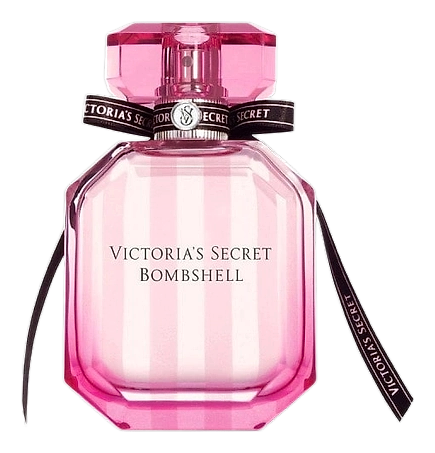
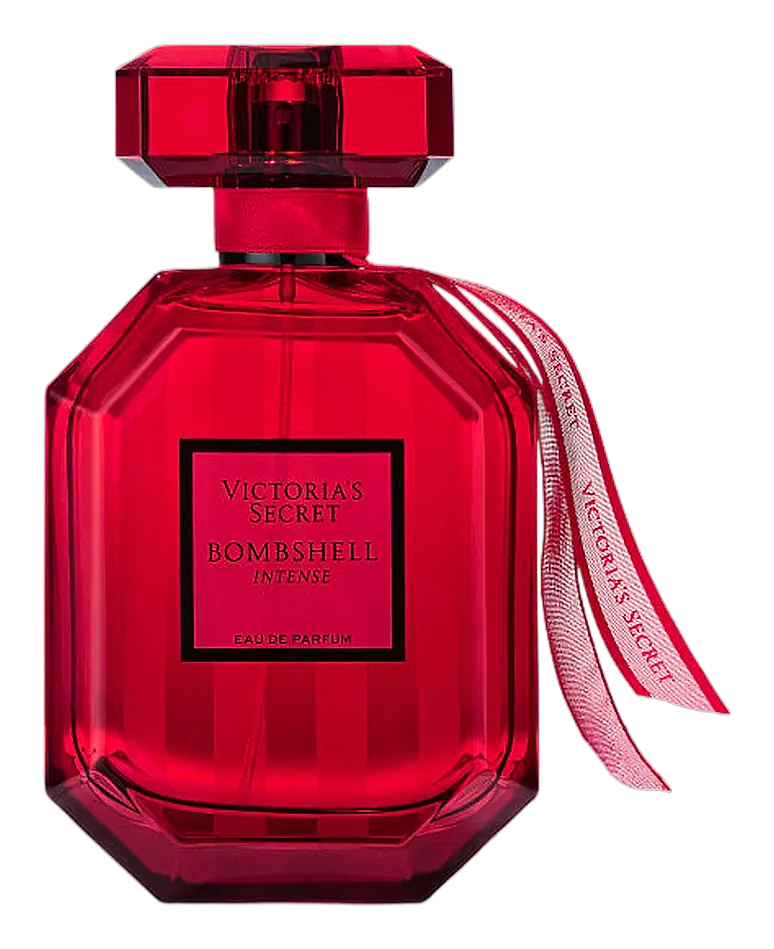
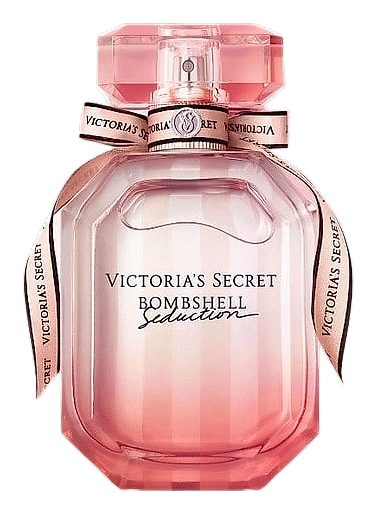
The Bombshell franchise is Victoria's Secret's flagship, America's top-selling women's fragrance since 2010. Bombshell Passion arrived in 2020, developed by perfumer Linda Song, as a fresh flanker that pushes the Bombshell signature toward something sharper and more charged. The goal was clear: keep the lush peony and sparkling cassis that made the original iconic, but amplify the electric tension between them. Blackcurrant brings both sweetness and a dark, tart edge, the kind of note that keeps a floral from going purely pretty. Fuchsia rose adds depth and sensuality without tipping into heavy. The result is a flanker that rewards people who already love Bombshell and curious newcomers looking for something with a little more bite.
The note pyramid is minimal, three tiers, three materials, but the blackcurrant does double duty in a way that's harder to execute than it looks. It has to read as both juicy sweetness and berry-like tartness simultaneously, two qualities that usually fight each other. In Bombshell Passion, the aldehydic sparkle in the opening bridges that gap, it makes the blackcurrant feel brighter, almost effervescent, which keeps the peony from reading as too delicate when it arrives. The fuchsia rose in the base is another smart choice: it's warmer and more sensual than a standard rose, giving the drydown an intimacy that the opening and heart phases don't quite promise.
The evolution
The cassis arrives first, bright, tart, aldehydic. You get that immediate hit of cold berry, like something pulled straight from the fridge. Within ten to fifteen minutes, the queen peony takes over and the fragrance reshapes itself around a softer, airier floral. That's when the sweetness peaks. The fuchsia rose starts appearing around the thirty-minute mark, threading through the peony and gradually becoming the lead. By the time you hit the second hour, the rose and musk are working together close to the skin, warm, intimate, the kind of drydown that someone notices only when they're already leaning in. Lasts through most of a workday on moderate-to-dry skin.
Cultural impact
Bombshell Passion sits within Victoria's Secret's most successful fragrance franchise, a line that has defined what accessible glamour means for a generation of fragrance wearers. The Bombshell name carries weight: it's been the brand's signature since 2010, spawning multiple flankers and becoming a reference point for anyone describing a fruity-floral that leans romantic and confident. Bombshell Passion's specific positioning, electric, untamed, speaks to a customer who wants the Bombshell identity but with more energy. The accessibility of the price point combined with the bold floral-fruity character makes it a common recommendation in its category.
The House
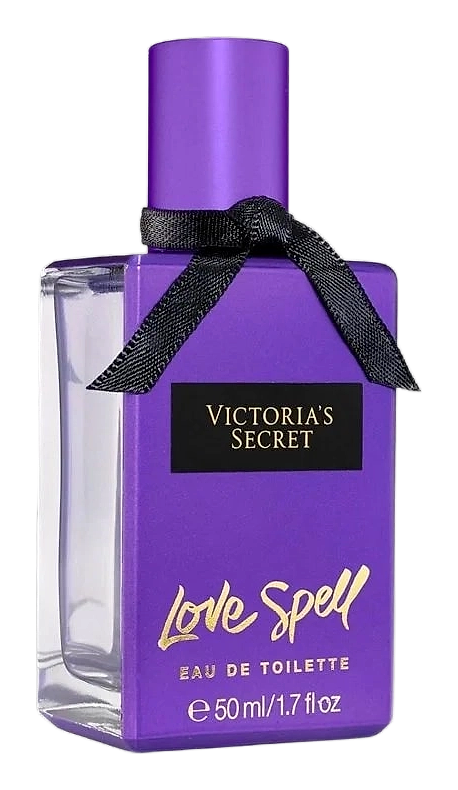
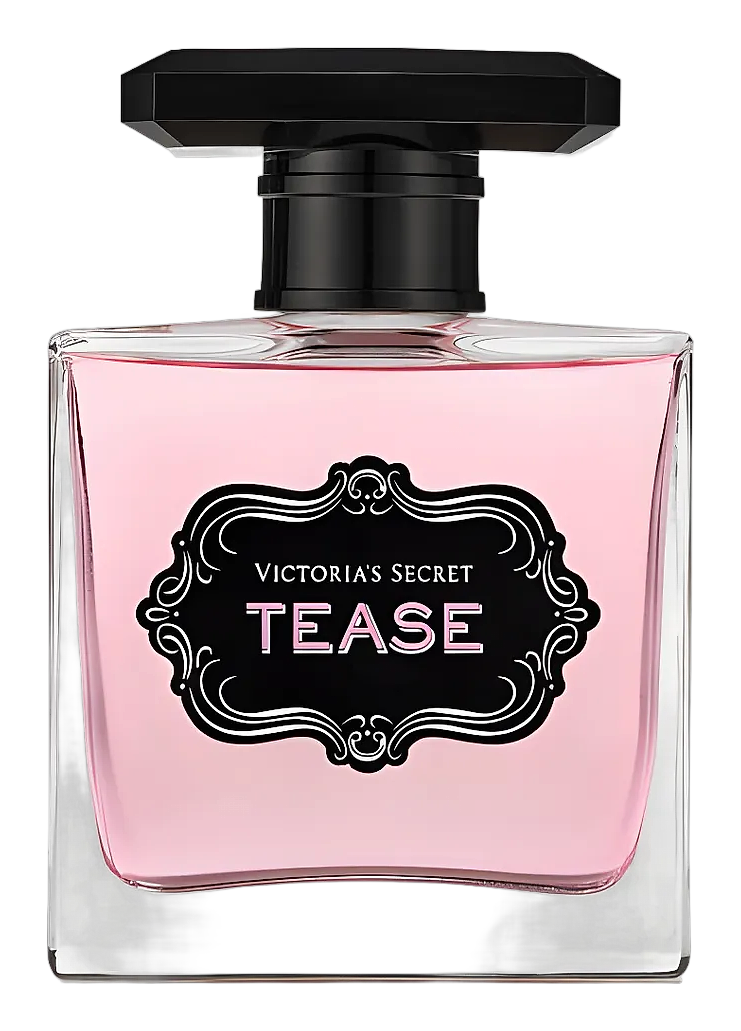
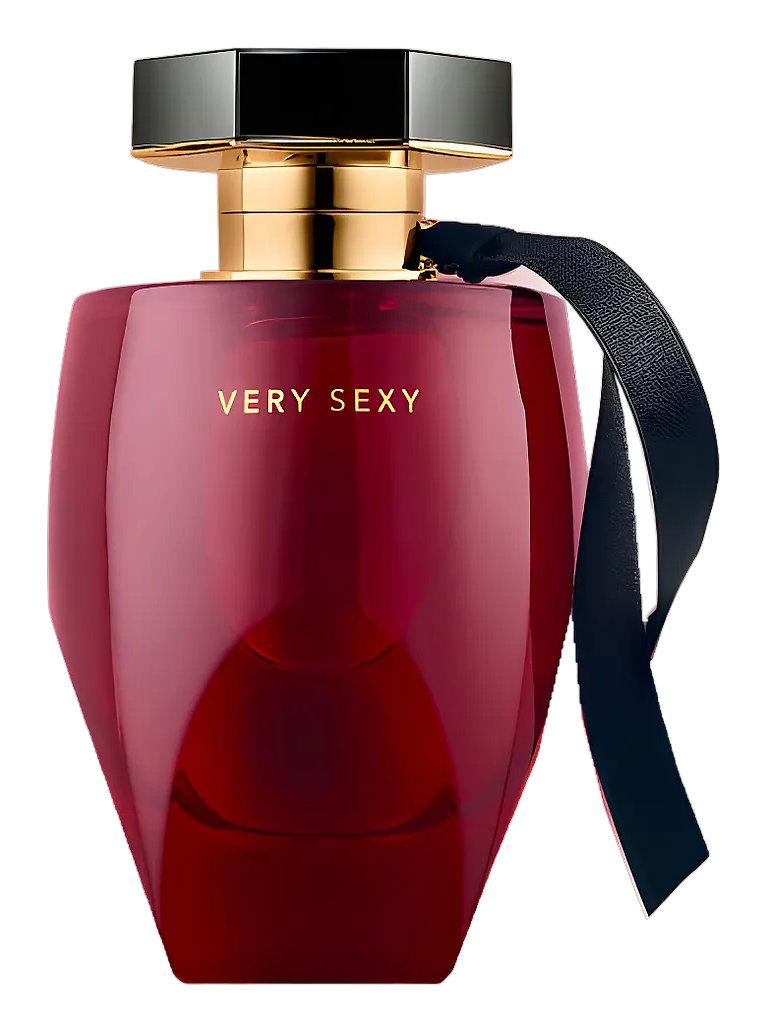
Victoria's SecretVictoria's Secret began as a San Francisco lingerie company founded in 1977 by Stanford graduate student Roy Raymond and his wife Gaye. The brand entered fragrance in 1989, launching its first perfume Victoria as part of a national magazine campaign. By the early 1990s, the company had grown to 350 stores nationwide with estimated sales of $1 billion. The beauty division grew substantially enough to generate nearly $1 billion in sales by 2006. Victoria's Secret fragrances are developed through Givaudan's Paris laboratory, the same fragrance house behind perfumes for Tom Ford, Prada, and Louis Vuitton. The brand works with a rotating roster of over 30 perfumers rather than a single in-house nose, creating scents for its Dream Angels, Very Sexy, Body, and Pink collections. Popular fragrances include Bombshell, Love Spell, Tease, and Heavenly, which ranked as the top-selling fragrance in the United States by both revenue and volume from 2005 to 2010. Victoria's Secret has won 20 Fragrance Foundation awards since 2001. The company offers fragrances alongside perfumed body care products including body mists, body lotions, and eau de parfum in various formats.
The Creator
Linda SongLinda gravitates toward ingredients with emotional resonance. Ginseng appears frequently in her work, not as a novelty note but as a grounding element rooted in personal memory.