
The Story
Why it exists.
The beginning
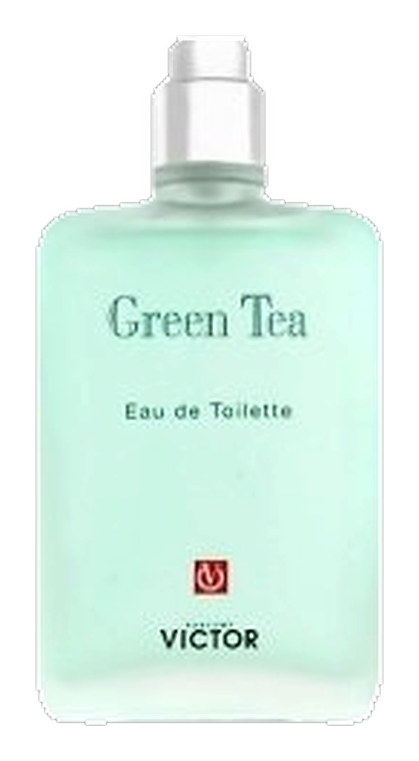
Green Tea arrived in 1999 from Francis Kurkdjian, a perfumer already known for precision work at major houses. The brief was straightforward: capture the sensation of green tea as an ingredient, not as a metaphor. Elizabeth Arden wanted something that fit its broader portfolio, accessible luxury, without competing with the exclusive, high-concept fragrances launching elsewhere. Kurkdjian approached this by building around lemon and bergamot for brightness, then using lemon verbena to bridge the citrus and herbal worlds, creating a green-fresh sensation rather than a literal tea interpretation. The result was a fragrance that felt modern and clean, aligning with the brand's identity of approachable prestige rather than intimidating exclusivity.
The note selection prioritizes freshness and accessibility over complexity or mystery. Lemon and bergamot provide immediate appeal and universal likability, while white thyme adds enough character to prevent the opening from feeling generic. Lemon verbena bridges the citrus and herbal categories, creating continuity between the top and heart. Freesia and jasmine bring soft florality without heavy sweetness, keeping the overall impression light and inoffensive. Musk serves as a clean, non-controversial base that works across skin types. The reasoning is clear: this is a fragrance designed to smell pleasant to almost everyone, using notes that are inherently fresh and green rather than rich or exotic.
The evolution
The opening delivers lemon and bergamot in quick succession, creating an immediate citrus sparkle that feels clean and energizing. White thyme follows, adding an herbal nuance that keeps the top from being merely fruity. As the fragrance moves into the heart phase, lemon verbena softens the citrus impact while freesia introduces delicate floral sweetness. Jasmine adds a touch of depth and creaminess that prevents the middle from feeling too green or austere. The drydown strips everything back to musk alone, creating a quiet, skin-close finish that lets the earlier notes fade gracefully. This arc from bright citrus to green floral to minimal musk gives the fragrance a natural progression that feels like morning transitioning to afternoon.
Cultural impact
Green Tea became one of Elizabeth Arden's most reach products by offering a spa-like freshness profile at an approachable price point. Launched in 1999, it arrived during a cultural moment when wellness and self-care were becoming mainstream concerns, before the term 'self-care' became a lifestyle category. It fills a specific niche: the person who wants something well-made and fresh without committing to something heavy, loud, or expensive. The 1999 launch date places it alongside a wave of green and citrus fragrances that defined late-90s and early-2000s freshness, not a trendsetter, but a reliable entry in a crowded category.