

The Heritage
The Story of Victor
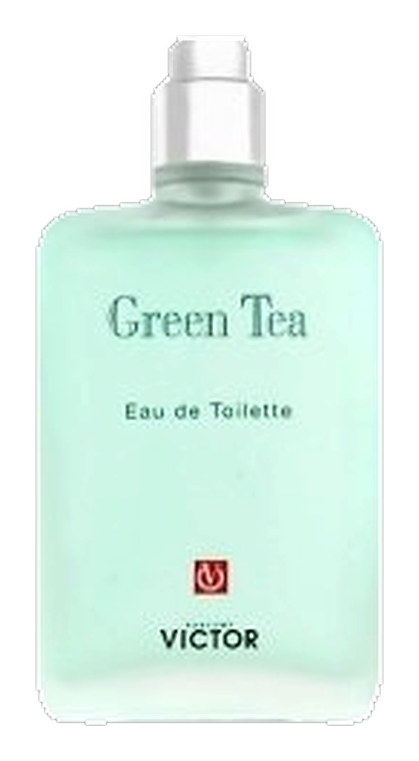
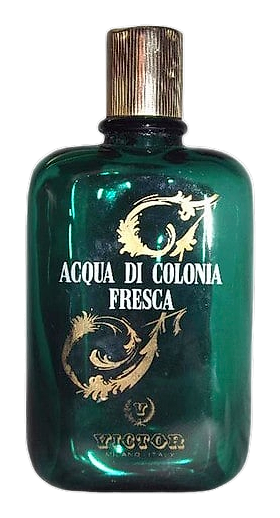
Victor is a niche fragrance house that has quietly built a catalogue ranging from classic mid‑century scents to contemporary releases. Its portfolio includes Acqua di Colonia Fresca (1950), Silvestre (1946), Green Tea (1996) and the recent Oasi di Miele (2023). The brand favours a restrained, confident voice, letting each composition speak for itself. Victor’s offerings are found in specialty boutiques and curated online platforms, where collectors appreciate the blend of heritage and modernity that defines each bottle.
Heritage
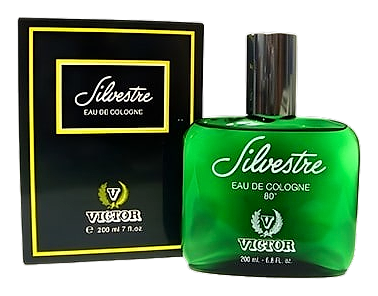
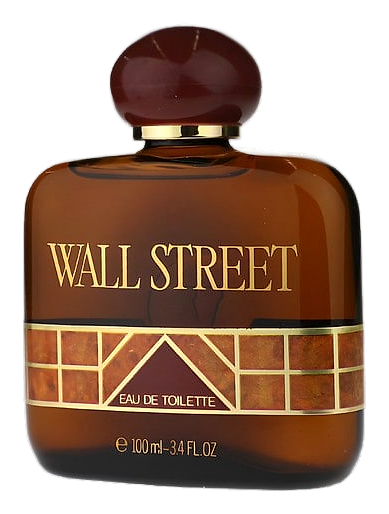
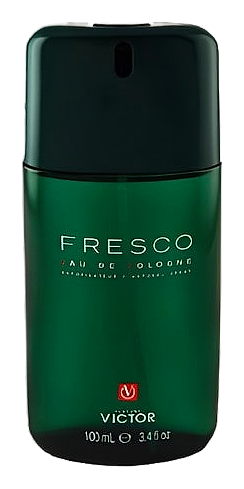
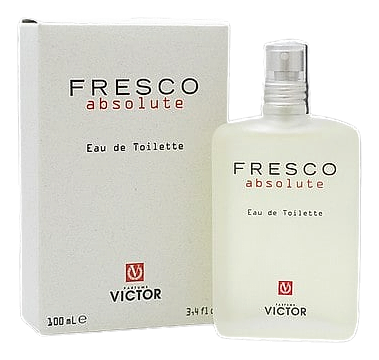
Public records about Victor’s founding are limited, but the brand’s earliest known fragrance, Silvestre, appeared in 1946, shortly after World War II reshaped Europe’s perfume market. A second early release, Acqua di Colonia Fresca, arrived in 1950, reflecting the post‑war fascination with fresh, citrus‑driven colognes. Throughout the 1980s the house introduced Wall Street (1984), a scent that captured the era’s corporate optimism. The 1990s saw a shift toward lighter, lifestyle‑oriented aromas with Fresco Absolute (1995) and Green Tea (1996), mirroring broader trends toward natural‑inspired notes. By the turn of the millennium Victor launched Fresco (2000), a modern reinterpretation of its earlier work, and later expanded into sport‑focused fragrances such as Victor Sport. The most recent addition, Oasi di Miele (2023), demonstrates the brand’s continued willingness to explore gourmand territory while staying true to its understated aesthetic. While Victor does not publish a detailed corporate history, its timeline of releases suggests a steady evolution that balances respect for classic French‑Italian perfumery with a willingness to experiment. The name Victor also echoes the legacy of Victor Mane, who founded a fragrance workshop in Pont‑du‑Loup in 1871, establishing a tradition of botanical extraction that still informs many niche houses today. Though no direct link between Mane and Victor has been confirmed, the shared name hints at a broader cultural continuity within the perfume world.
Craftsmanship
Victor’s production process follows the traditional French‑Italian atelier model. Raw materials are evaluated by a senior perfumer who creates a master formula, which is then handed to a blending team for precise weighing and mixing. The brand sources many of its botanical extracts from Mediterranean farms, including Italian citrus, French lavender and Turkish rose. For gourmand notes such as the honey in Oasi di Miele, Victor works with certified apiaries that practice sustainable beekeeping. Once blended, the perfume rests in stainless‑steel vats for a maturation period that can range from several weeks to several months, allowing the accords to integrate fully. Quality control includes gas‑chromatography analysis to verify ingredient purity and batch consistency. Bottles are filled in a temperature‑controlled environment to preserve volatile top notes. Victor also employs a hand‑capped bottling line for limited editions, ensuring each unit receives individual attention. The brand’s commitment to craftsmanship is reflected in its modest production runs, which allow for careful oversight at every stage, from raw material selection to final packaging.
Design Language
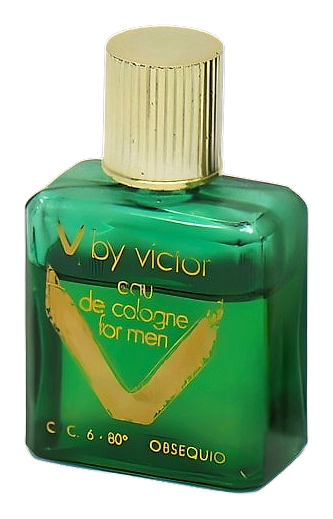
Victor’s visual identity is deliberately minimal. Bottles feature clean, rectangular glass with a thin, brushed‑metal cap that hints at a modern industrial sensibility. Labels are typographically simple, using a sans‑serif font in muted tones that let the perfume name stand out without ornamentation. The colour palette varies by fragrance – citrus‑based scents use soft yellows, while gourmand offerings like Oasi di Miele employ warm amber hues. Marketing imagery relies on natural light and understated settings, often showing the bottle alongside a single, related element such as a sprig of tea or a honeycomb. This restrained approach reinforces the brand’s belief that the scent itself should be the focal point, not elaborate graphics or celebrity endorsements. In retail, Victor’s displays are typically organized by scent family, allowing shoppers to navigate the range intuitively.
Philosophy
Victor’s creative outlook centres on the idea that a fragrance should be both a memory and a moment. The brand treats scent as a quiet narrative, avoiding overt storytelling in favour of subtle composition. Each perfume is built around a single, well‑defined theme – whether it is the bright clarity of a citrus cologne, the green freshness of tea leaves, or the warm comfort of honey. Victor values authenticity, sourcing ingredients that can be traced to their origin and favouring natural extracts where possible. The house also respects the wearer’s individuality, offering scents that are versatile enough to adapt to different settings without demanding attention. Sustainability is approached pragmatically; Victor works with suppliers who meet European quality standards and prioritises packaging that can be recycled. The overall philosophy is one of quiet confidence: a belief that quality and consistency speak louder than marketing hype.
Key Milestones
1946
Silvestre released, marking Victor’s earliest documented fragrance.
1950
Acqua di Colonia Fresca launched, reflecting post‑war interest in fresh citrus compositions.
1984
Wall Street introduced, capturing the energetic spirit of the 1980s business world.
1995
Fresco Absolute released, a richer reinterpretation of the brand’s earlier fresh scents.
1996
Green Tea debuted, one of the early tea‑inspired fragrances in the niche market.
2000
Fresco launched, offering a modern, lighter version of the 1995 composition.
At a Glance
Brand profile snapshot
Origin
Italy
Collection
1
Fragrances released
Avg Rating
4.3
Community sentiment
Release Rhythm


