The Story
Why it exists.
The beginning
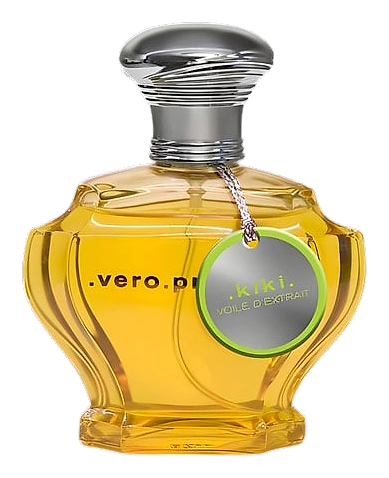
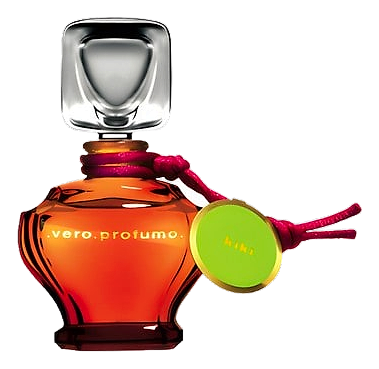
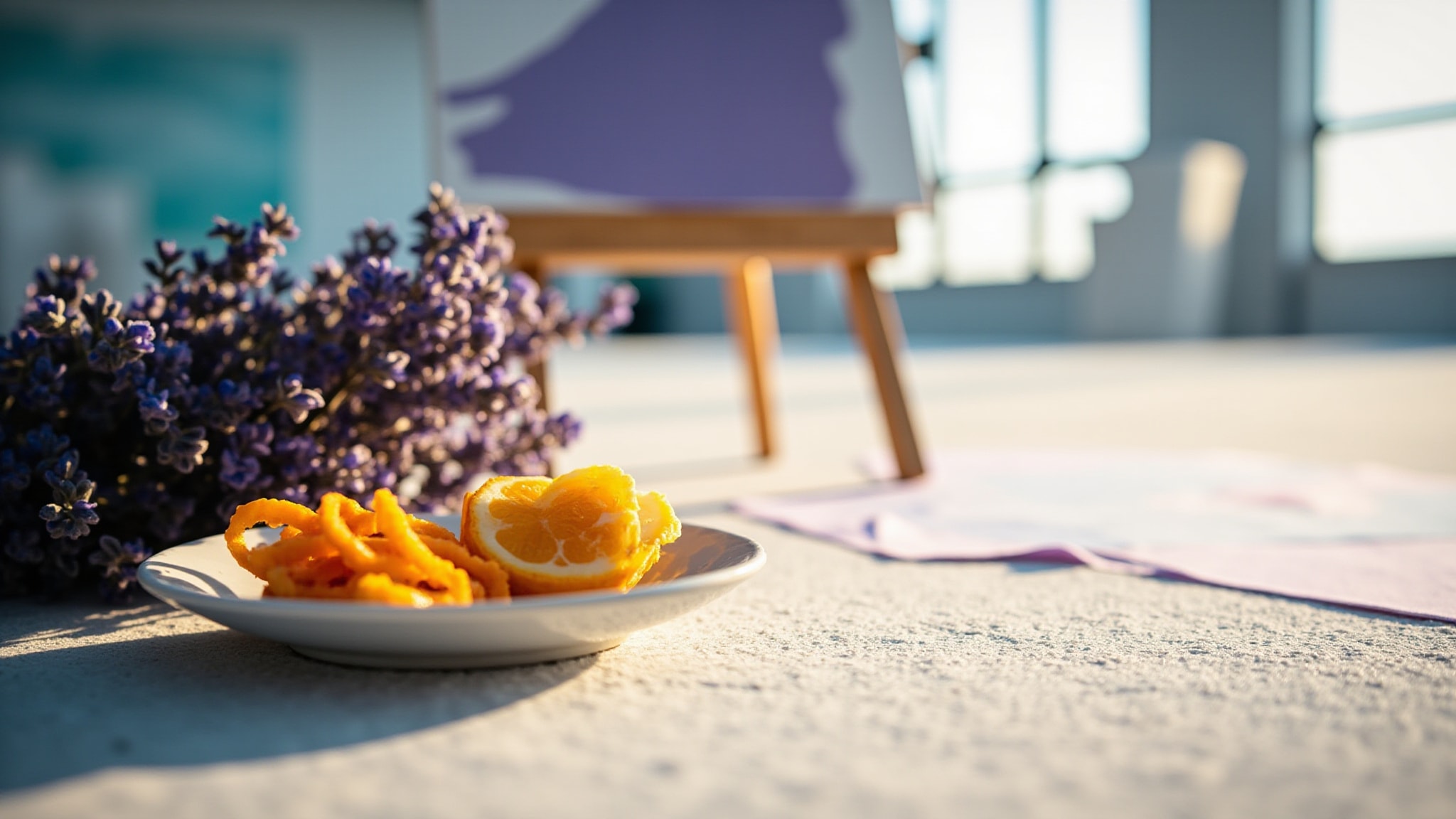
Kiki de Montparnasse, the artist, the muse, the woman who refused to be ornamental. Man Ray photographed her endlessly. She photographed him right back. Vero Kern named this extrait for her not because the fragrance looks like Kiki, but because it feels like her: someone who walked into a room and rewrote the rules of it. The composition opens with a bright, tropical burst of bergamot and passion fruit, a little excessive, deliberately so. Then the lavender enters. Not the lavender of sachets and grandmothers. This is a lavender that arrives with intention, sweet-herbal, slightly green, almost confrontational in its clarity. It refuses to apologize for itself.
What makes Kiki work, what keeps it from tipping into the gimmicky, is the way the lavender absolute is handled. It's not softened with coumarin or hedged with mint. It's allowed to be confrontational for the first twenty minutes, sharp and green and almost medicinal. Then geranium arrives and does something unexpected: it makes the lavender smell sweeter without diluting it. The minty-floral quality of geranium lifts the herbaceous edge just enough to let the caramel notes underneath breathe. The base is where the Cabaret reference earns its place.
The evolution
The opening hits immediate and confident. Bergamot and passion fruit arrive together, citrus brightness cut by tropical sweetness, like fruit salad at a gallery opening. The blackcurrant is subtle here, more of a tart undertone than a featured player. Twenty minutes in, the lavender takes over. Not gradually. It arrives and announces itself. If you've been waiting for it, this is the moment. If you've been dreading it, this is also the moment. It's sweet-lavender, not sharp-lavender, but it's still lavender, herbal, slightly green, insistent. The geranium appears around the thirty-minute mark and softens everything without diluting it. By hour two, the caramel emerges. This is where Kiki pivots from interesting to wearing-you. The powdery warmth of caramel and musk starts to wrap around the lavender like a silk scarf around a throat. The amber gives it depth. The opoponax gives it that slight incense quality that keeps it from reading as purely dessert. At hour five, you're in drydown territory and the composition has become something entirely its own.
Cultural impact
Kiki occupies an unusual position in the niche fragrance landscape: a lavender-forward composition that doesn't read as either vintage or minimalist. The fruit notes keep it modern; the opoponax keeps it warm. It occupies its own territory, neither chasing trends nor resisting them, simply existing with a confidence that requires no explanation. The composition exists outside of positioning, it doesn't claim to be an alternative to anything, nor does it position itself against the mainstream. It simply is.