The Story
Why it exists.
The beginning
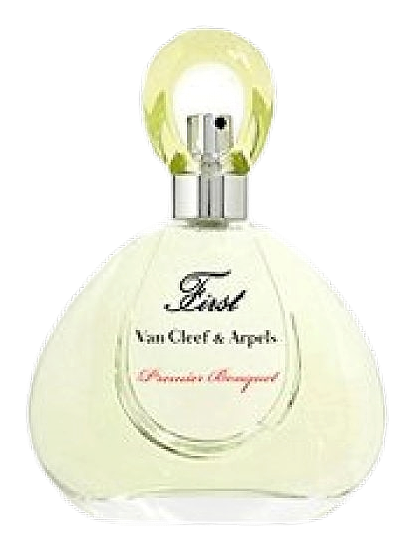
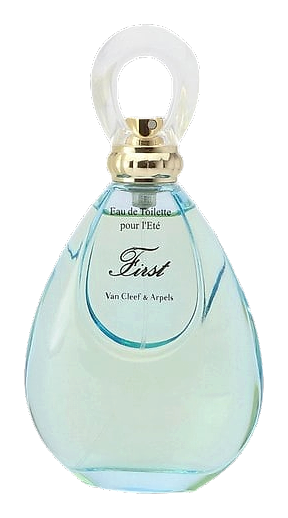
First pour l'Été arrived in 2004 as Van Cleef & Arpels's answer to a specific problem: how to make a summer fragrance that doesn't apologize for being light. The original First, launched in 1976, had become something heavier, more evening. The house wanted something that could live in daylight without losing its sense of self. So they built this around flowers that open in warmth, jasmine, narcissus, rose, and let them speak without interruption.
What makes the structure interesting is the blackcurrant. Not the blackcurrant leaf or bud that gives other fragrances their tartness, but the actual flower of the blackcurrant bush, which carries a green, slightly fruity nuance that most people mistake for a freshness accord. It threads between the jasmine and rose, keeping them from collapsing into each other. The vanilla doesn't announce itself. It appears around hour three, soft and skin-like, as if the flowers finally decided to settle.
The evolution
The opening arrives quickly, jasmine first, then narcissus stepping forward within thirty seconds. The blackcurrant is there from the start, a green thread that keeps the florals honest. By the second hour, the rose has opened fully and the composition feels warmer, less pristine. The sandalwood and vetiver take over around hour three, and the vanilla arrives quietly as a bridge to skin. What lingers is the vetiver, dry, grassy, but softer than it usually is. On fabric, the jasmine and sandalwood hold on until morning. On skin, plan for four to six hours of quiet presence.
Cultural impact
Released during a period when summer florals were shifting toward aquatics and ozonics, First pour l'Été stood apart by refusing to hide its flowers. It found its audience among women who wanted warmth without sweetness and lightness without sacrifice. This positioning made it a cult favorite for those seeking summer fragrance without compromise.