The Story
Why it exists.
The beginning
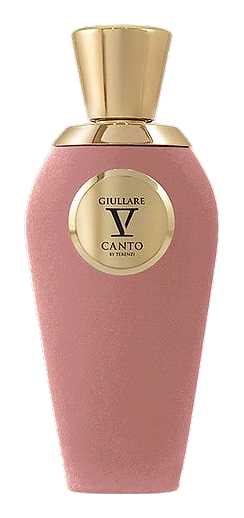
Giullare means jester. In medieval Gradara, the giullare held a precarious role: entertain the court, yes, but one wrong word and it was imprisonment. Or worse. They wandered between countries, carrying stories and secrets, playing the fool while knowing everything. Paolo Terenzi translated that duality into scent, building a fragrance that opens with mischief and ends with something harder to name. The 2023 release captures the jester's essential tension, light and shadow, sweetness and salt, the performer who is also the most honest person in the room.
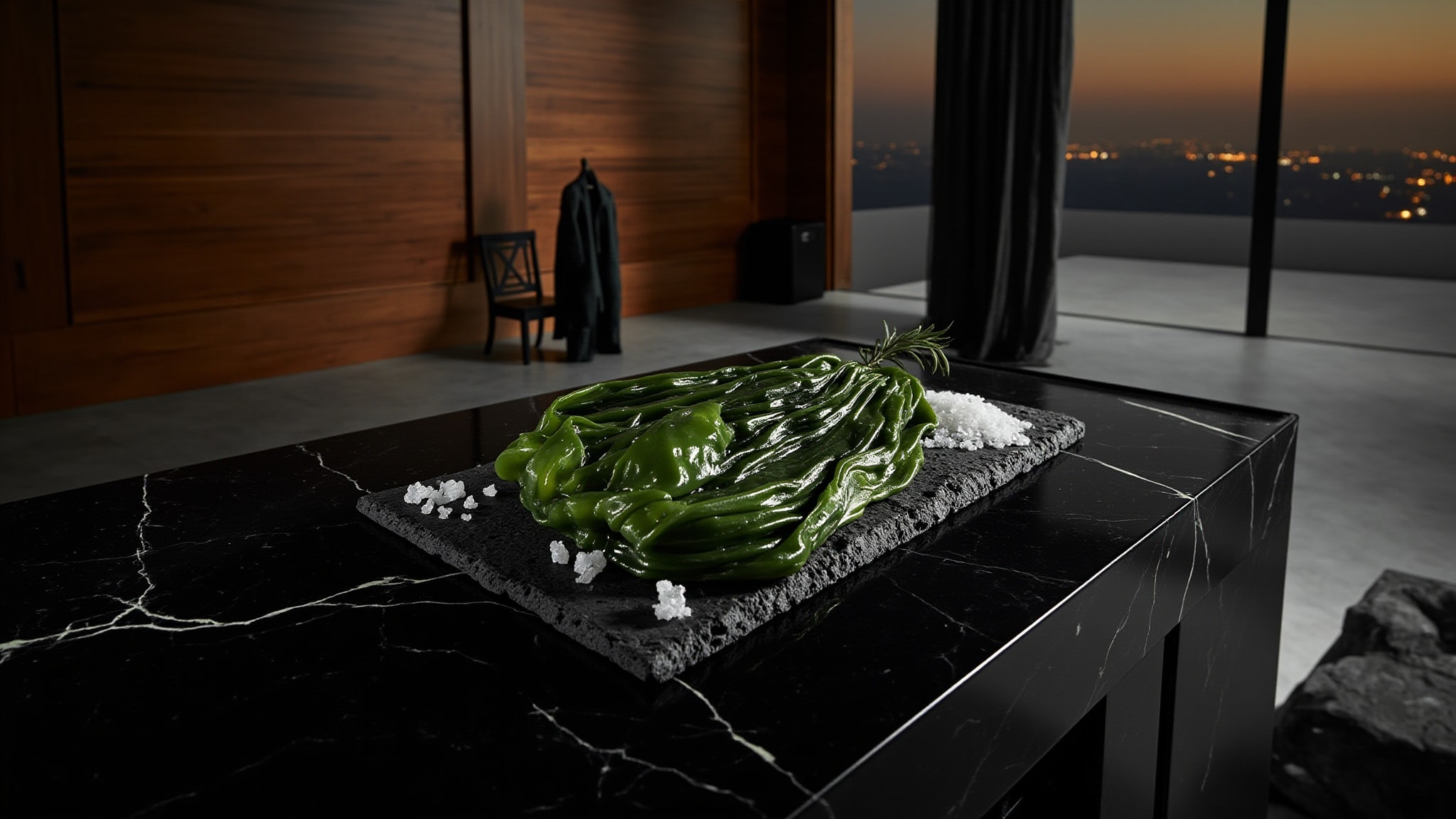
What makes Giullare unusual is how it holds contradictory notes without resolving them into something safe. Bourbon vanilla and Italian kelp should cancel each other out. Coffee and sea salt share a bitter-umami territory that most perfumers avoid. Instead of choosing sides, Terenzi lets them breathe against each other, creating a fragrance that reads differently depending on where you are and who you're with. The Turkish caramel in the base could have made this cloying. The Indian patchouli and ambergris keep it grounded. This is a composition that knows what it's doing.
The evolution
The opening announces itself immediately: bergamot and coffee over a marine-bright kelp note, with vanilla already present but waiting. Within fifteen minutes, the sea salt becomes more apparent, mineral and clean. Then the heart takes over, Bulgarian rose and Italian peach arrive slowly, almost reluctantly, sweetening the composition while rosemary and thyme keep everything from getting too soft. The drydown is where Giullare earns its name. Cedarwood, patchouli, and a quietly animalic ambergris settle into skin over the next four to six hours. The vanilla doesn't disappear, it deepens, mixing with Turkish caramel and myrrh into something that lingers past midnight.
Cultural impact
V Canto occupies a specific niche: Italian literary intensity without the usual perfumery reverence. Giullare, from the 2023 launch, fits into this by taking a concept most brands would treat as costume drama, the medieval jester, and making it feel lived-in. The marine-sweet contrast appeals to those who want something that defies easy categorization, and the Terenzi name carries weight among collectors who track Italian niche perfumery closely.