The Story
Why it exists.
The beginning
Cianuro takes its name from the Italian word for cyanide, and that choice is deliberate. In Dante's Divine Comedy, Canto V, Paolo and Francesca are trapped in eternal torment for the sin of loving too much. Their poison was desire itself. Paolo Terenzi translated that fatal attraction into scent: a composition that opens like paradise and settles like a warning. The tropical excess isn't accidental, it's the point. The name is the promise. The fragrance is the proof.
What makes Cianuro work is the structural honesty. The opening tropical notes don't pretend to be anything other than what they are, ripe, almost aggressively sweet, the kind of fruit that bruises in your hand. But underneath, the leather and moss wait. The cashmere wood and patchouli in the base aren't afterthoughts, they're the reckoning. Without that grounding, the tropical would simply be pretty. With it, the tropical becomes a statement. The white florals in the heart (lily of the valley, lotus, narcissus) bridge the gap between the excessive opening and the grounded base, creating a middle passage that feels inevitable rather than tacked on.
The evolution
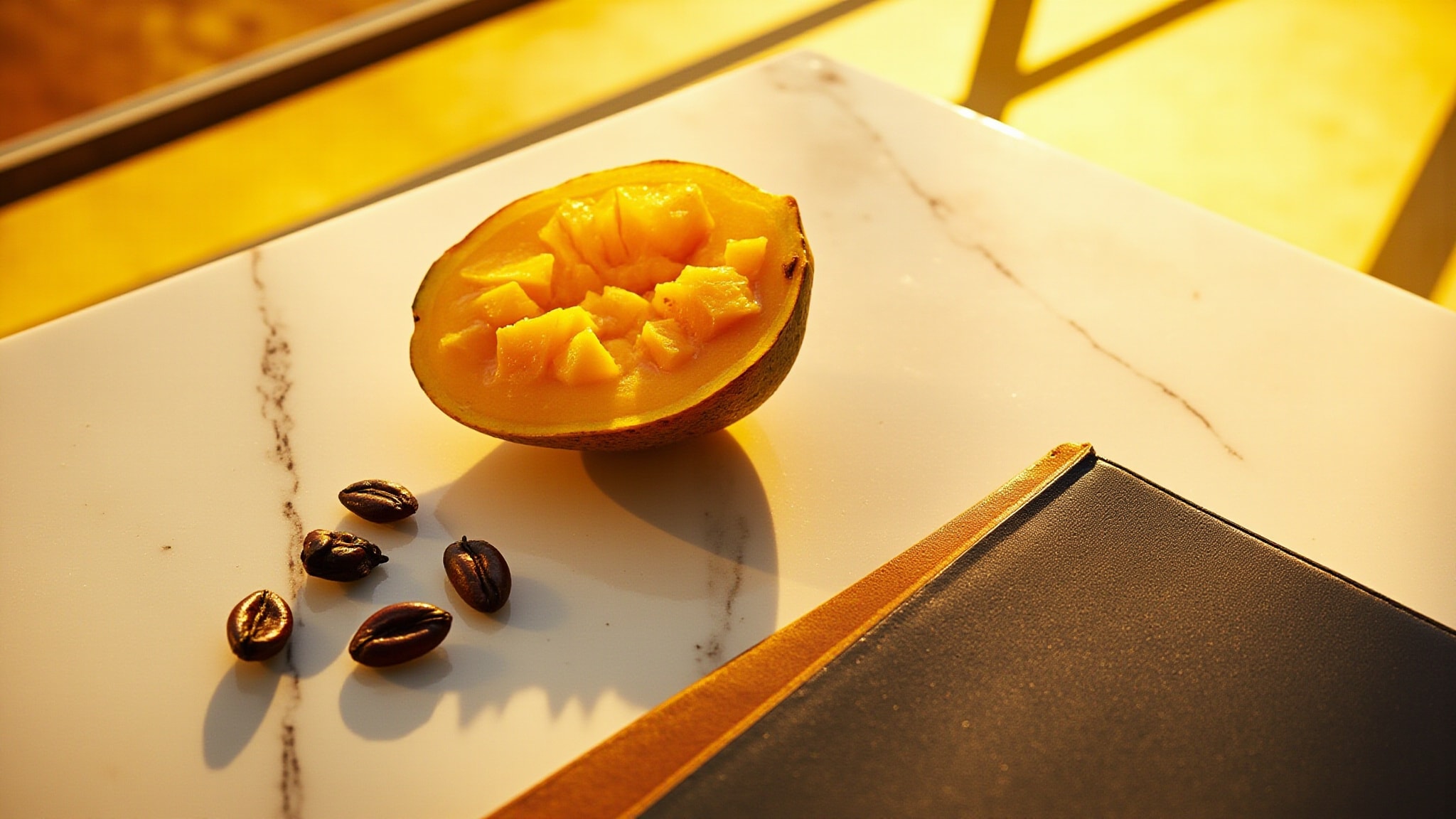
The first twenty minutes announce themselves without apology. Mango and papaya hit like a wall of heat, passion fruit follows, tart and insistent. Neroli adds a cleaning-bright edge that keeps the sweetness from suffocating. You get the sense the fragrance knows exactly what it's doing. By the hour mark, lily of the valley and Turkish rose arrive to complicate things. The floral is green, almost aquatic, a counterargument to the tropical excess that preceded it. The mango doesn't disappear entirely, it lingers underneath, a sweet memory. The drydown is where Cianuro earns its name. Patchouli and leather arrive together, creating a dark undertone that reads almost medicinal against the lingering sweetness. Cashmere wood softens, sandalwood warms, oakmoss adds earth. The sillage drops to intimate. Another four to five hours, and then the quiet, a faint trace of cashmere and patchouli on fabric, the tropical finally gone to seed. On skin, the base notes last longest. On clothes, the opening notes refuse to die. Either way, you'll remember wearing it.
Cultural impact
Cianuro occupies a specific corner of the niche market, tropical fragrances for people who find typical tropical fragrances boring. The 2018 release arrived during a wave of sweet, safe florals and distinguished itself through aggression rather than restraint. It's not a crowd-pleaser, and it doesn't try to be. Wearers describe it as the scent of someone who made a decision and isn't explaining it. The moderate sillage keeps it personal rather than announcing. The longevity keeps it present.
The House
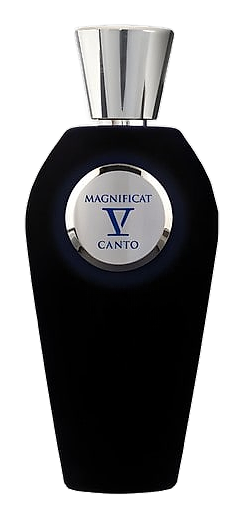
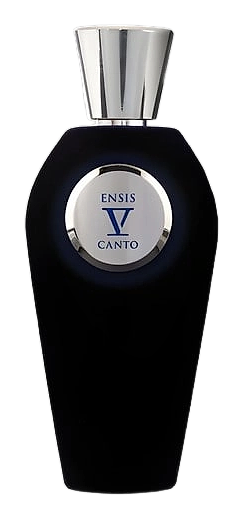
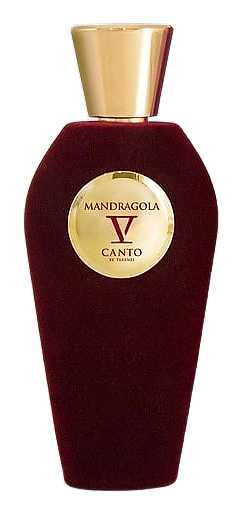
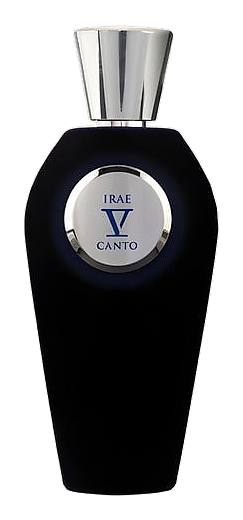
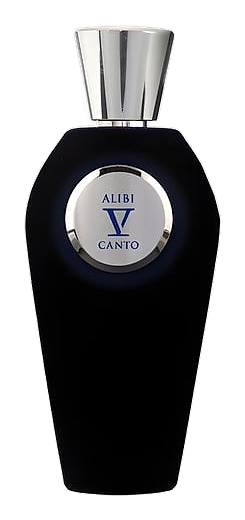
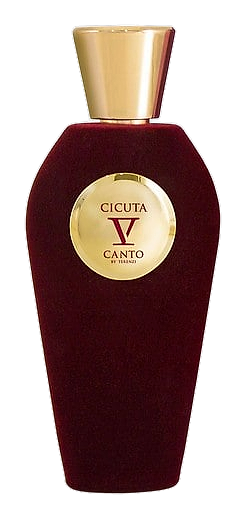
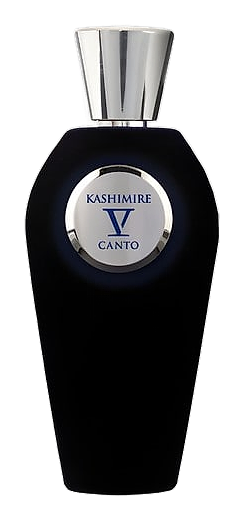
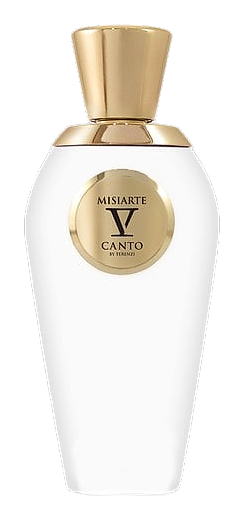
V CantoV Canto is an Italian fragrance house founded by Paolo and Tiziana Terenzi as a distinct artistic expression within their family's historic Cereria Terenzi Evelino perfumery. The brand takes its name and creative direction from Dante Alighieri's Divine Comedy, specifically the fifth canto, transforming the poem's vivid imagery of virtues, vices, and human passion into wearable compositions. Headquartered in Gradara, a medieval walled town along Italy's Adriatic coast, V Canto operates from the very landscape that inspired Dante's timeless narrative of love, punishment, and redemption. Each fragrance in the collection bears a title drawn from the poem's rich lexicon, inviting wearers into an olfactory dialogue with Italian literary heritage. The house prioritizes dramatic, long-lasting compositions that unfold across multiple wearing phases, emphasizing depth and emotional resonance over conventional fragrance categories.
The Creator
Paolo TerenziWorking from a studio filled with rare essences and precious ingredients, Terenzi gravitates toward oud wood, ambergris, and benzoin resin, among other treasured materials. His creative ritual begins each morning with meditation before he gives free rein to instinct.