The Story
Why it exists.
The beginning
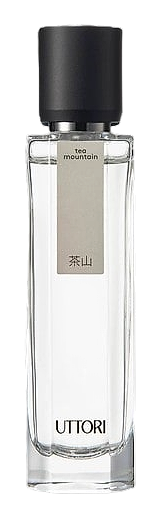
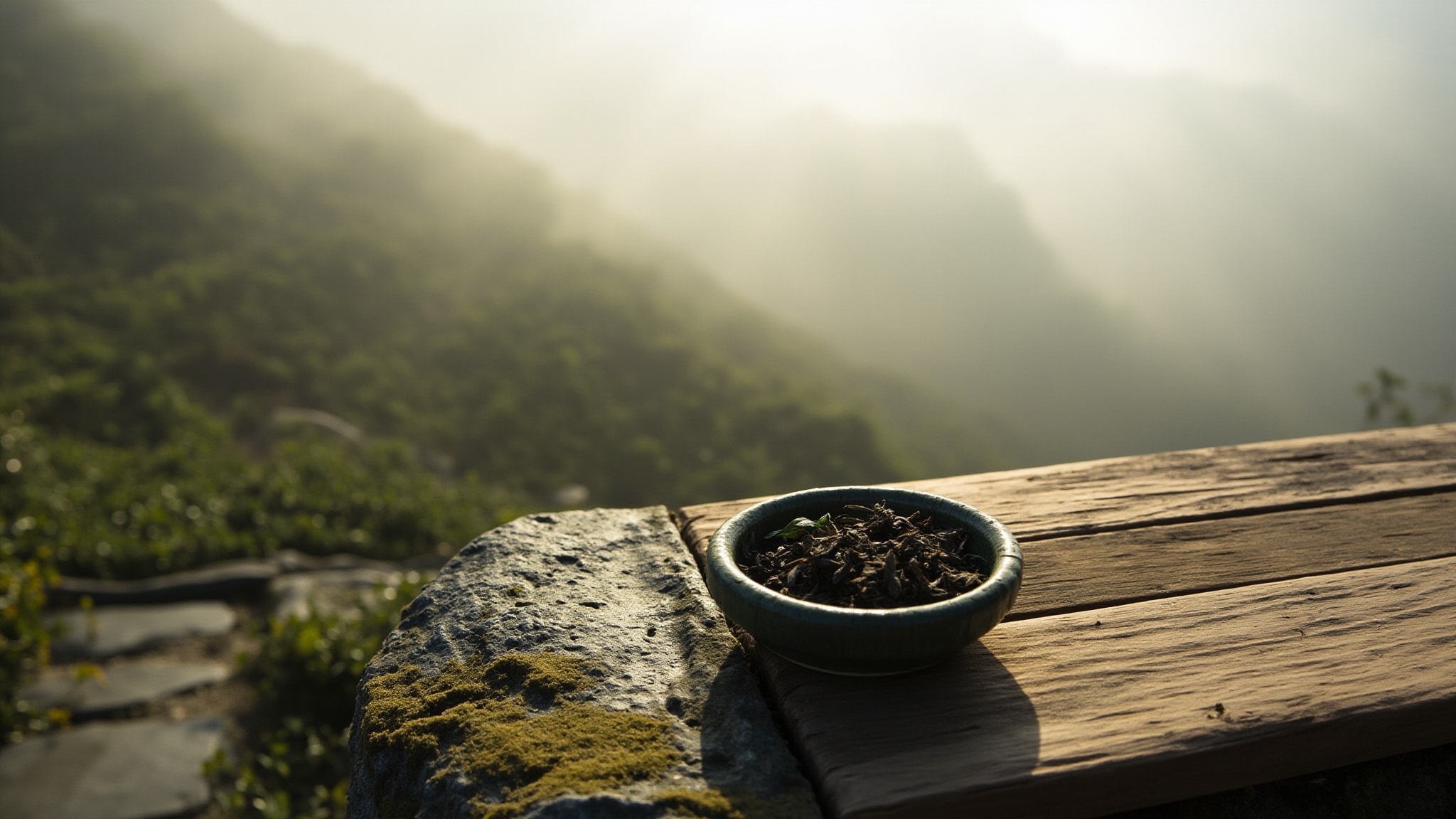
Perfumer Nisrine Bouazzaoui Grillié built Tea Mountain around a specific image: the misty atmosphere of high-altitude tea plantations in China, where ancient terraced gardens disappear into fog and green becomes a feeling rather than a color. The fragrance translates that terrain, not a literal tea note, but the mood of it. Early morning in the mountains. Smoke from the drying process mingling with cool air. This is what the fragrance captures. Not a beverage. A place.
The unusual choice here is using Lapsang Souchong as a protagonist rather than a whisper. This tea is smoke-dried over pinewood, giving it a distinctive tar-mineral quality that most perfumers treat as a supporting character. Here, it anchors the composition. The bergamot opens bright and citrusy, then the smoke arrives and everything shifts. Jasmine, neroli, and orchid create a floral heart that could read sweet on paper, but the smoky base keeps it grounded, earthy, slightly medicinal. The tension between bright florals and dark smoke is where this fragrance lives.
The evolution
The opening is bergamot's job: sharp, citrus-forward, immediate. Then the Lapsang Souchong arrives. Not a slow build, it shows up within the first few minutes, pine smoke curling through the brightness like incense in a cool room. Within ten minutes, jasmine and neroli start to soften the edges. The smoke doesn't disappear. It becomes the backdrop against which the florals unfold. The heart phase is the quietest part, a soft floral moment that lasts maybe twenty minutes before cedar arrives to take over. The drydown is where the composition transforms. The florals fade. Moss, cedar, and vetiver become the conversation, wet earth, green wood, the mineral quality of vetiver that smells like the moment before rain. The smoke doesn't vanish. It lingers, quieter, in the base. On skin, expect 4-6 hours. On fabric, closer to 6. The next morning, there's a faint trace on a shirt collar, mineral, woody, the ghost of smoke.
Cultural impact
Tea Mountain 茶山 stands apart in the global fragrance landscape as a Chinese house working from its own olfactory tradition. For wearers seeking something genuinely outside the Western mainstream, this offers an entry point into a different cultural register, one built around tea, mist, and the contemplative quiet of mountain landscapes. The fragrance has found an audience among those who appreciate tea-forward compositions and the meditative quality that runs through Uttori's catalog.