







Heritage
A house, in its own words
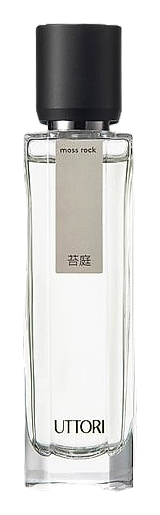
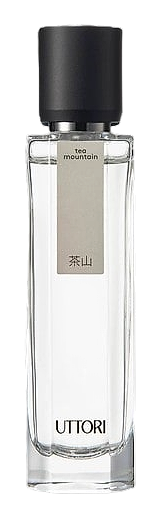
Uttori 五朵里 emerged as an independent Chinese fragrance house, operating outside the major European perfume houses that dominate the global market. The brand does not trace its lineage to a historic European dynasty or a 20th-century Parisian atelier. Instead, it positions itself within a distinctly Chinese olfactory tradition, drawing from classical poetry, regional landscapes, and the heritage of Chinese incense culture. This alternative lineage sets it apart from brands that emphasize French perfumery codes. Uttori built its reputation through a series of named releases rather than a single signature scent, allowing each fragrance to carry its own thematic weight. The brand first gained wider recognition with Osmanthus 桂 in 2017, followed by several years of consistent new releases. By 2025, the house had accumulated a catalog double digits in size, with fragrances often grouped into themed series. The Jiangnan series, for instance, was designed as a four-fragrance tribute to the water towns and poetic landscapes celebrated in Tang and Song dynasty verse. Rather than relying on celebrity endorsements or luxury retail distribution, Uttori cultivated its audience through independent fragrance communities and specialty retailers. The brand has been featured in Asian fragrance media and at regional industry events, though it remains outside the spotlight of mainstream Western fragrance press. Uttori approaches perfumery as a vehicle for cultural memory. Rather than chasing global trend cycles, the brand selects raw materials and thematic references drawn from Chinese literary and natural traditions. A fragrance like Paper 纸 evokes the tactile and aromatic qualities of handmade paper, while Tea Mountain 茶山 captures the misty atmosphere of high-altitude plantations. The brand explicitly names classical poetry as a creative source, and its Jiangnan series was conceived as a direct homage to imagery found in Tang and Song verse. This literary grounding gives each release a specific context rather than a vague concept. Uttori's naming conventions also reflect this approach. Fragrances are titled in Chinese characters (often with an English translation), and the titles consistently reference a natural or cultural element rather than an abstract emotion. The brand appears to prioritize coherence between name, thematic intent, and olfactory composition. This suggests a philosophy where the narrative precedes the formula, rather than the reverse.