The Story
Why it exists.
The beginning
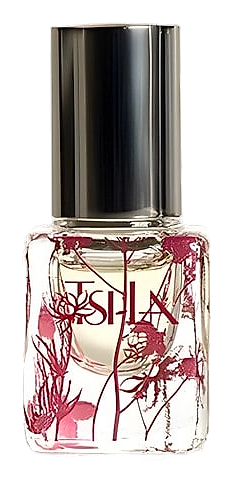
Fiori d'Arancio landed in 2007 from Tsi-La Organic, a house built on the idea that what you smell should feel close to what actually grows. The name is Italian for orange blossom, and the brand's own words describe the scent as lovely and a little bit naughty, like a late-summer holiday on the Mediterranean Sea. There's no pretense here. It's not positioning itself as a French boutique composition or a statement of luxury. The composition leans into orange blossom, neroli, and honey rather than layering in woods or musk for grip, and that choice says something about what the brand is willing to let go of. Conventional perfumery would shore up a citrus-floral like this with synthetic musks and longer-lasting base accords.
What makes this composition interesting is the decision to let tangerine and neroli carry the entire structure without the usual woody scaffolding underneath. The orange blossom itself does most of the heavy lifting. It's the same flower that gives neroli its bitter edge, but here it's being asked to play the sweet role, and that contrast is what gives the fragrance its gentle tension.
The evolution
The opening is all tangerine, bright and almost fizzy, the kind of lift that makes you check your wrist twice because it smells so vivid. Then the neroli arrives and the whole thing rounds out into something creamier. Orange blossom takes over the heart phase and refuses to leave, softening the citrus into a warm white-floral haze. There's no sharp transition, no moment where a new note announces itself. By the one-hour mark you're mostly in white honey territory, sweet and a little dense, the orchid adding a powdery softness underneath. Around the two-hour mark it pulls tight to the skin and turns into a quiet skin-whisper of honeyed orange blossom. It doesn't vanish so much as decide it's done performing.
Cultural impact
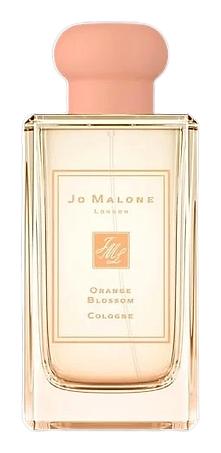
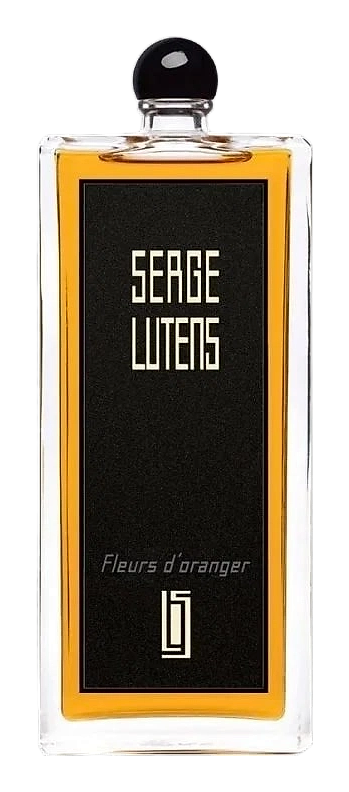
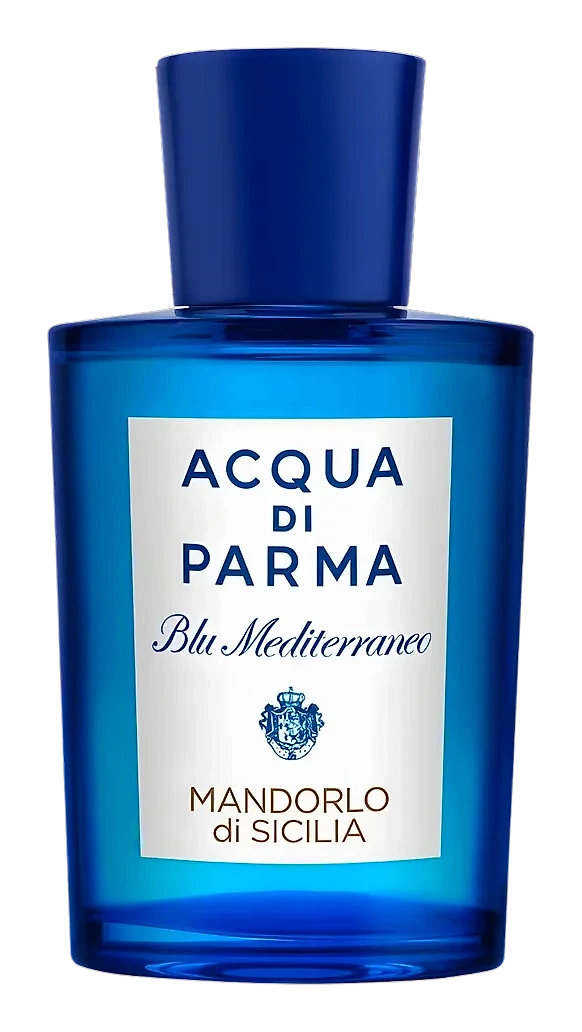
Fiori d'Arancio occupies a particular place in the orange blossom category. It's lighter and sweeter than the denser, more indolic compositions that dominate the high end of the spectrum, and it doesn't try to perform the kind of layering that those fragrances are built around. Among orange blossom-forward fragrances, it reads gentler and more honeyed than most, with a directness that makes it easy to wear and easy to reach for. It earns its place by doing one thing simply and not pretending to be more than it is. The appeal is to anyone who wants the flower itself, without the heavy perfumery scaffolding that usually accompanies it.