The Story
Why it exists.
The beginning
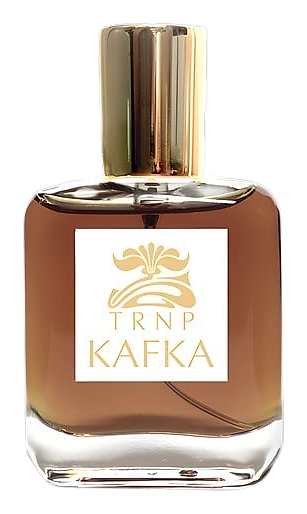
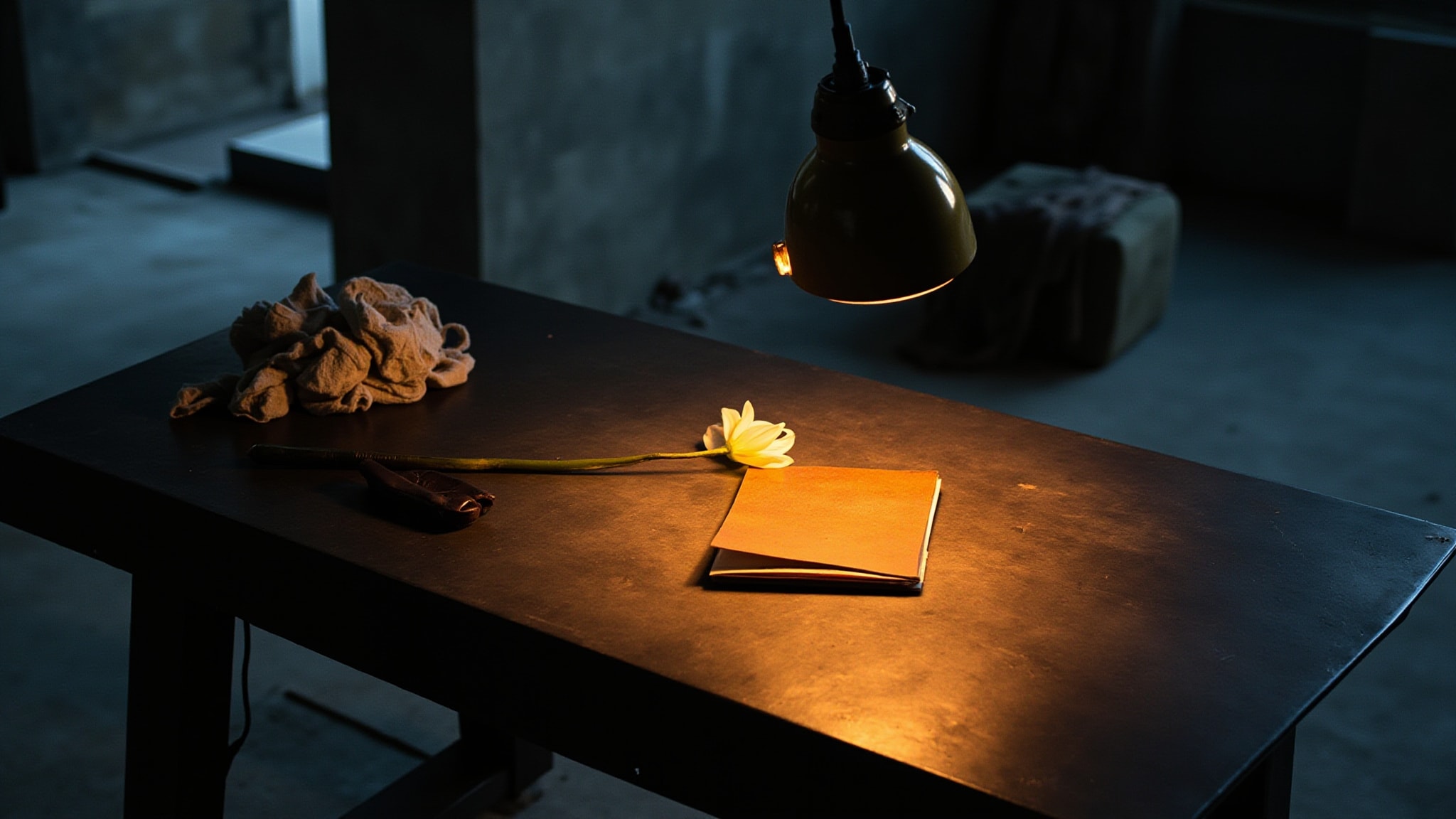
Kafka comes from TRNP, the house Teone Reinthal builds every composition from the ground up in natural fragrance oils suspended in carrier bases, no ethanol, no synthetic shortcuts. The name is a dare. Franz Kafka wrote about paralysis, bureaucracy, guilt that arrives without explanation. This composition doesn't illustrate his novels. It sits in the same room they were written in. Reinthal built it around Sumatran patchouli, narcissus, and birch tar, materials that carry their own weight of dread. Champaca cuts through. Tobacco softens the edges without making them kind. The house's signature, alcohol-free architecture, lets the resins and florals age on skin the way paper ages in a closed library. Nothing evaporates quickly. Nothing asks permission.
The Sumatran patchouli here behaves differently than the usual sweet, soapy, or earthy versions. It's mineral, almost metallic, closer to wet bark than to anything soft. Birch tar pulls the composition into territory that reads more like burnt manuscript than cologne. The narcissus adds a green, almost narcotic sharpness that bridges the florals to the leathers without sweetening either side. Reinthal stacks styrax, labdanum, tobacco, and vanilla at the base, giving Kafka a density that holds its shape through every phase of wear.
The evolution
The first thirty minutes are deceptive. Bergamot gives a thin, bright veneer that suggests something almost wearable in a crowd. Then the narcissus arrives, green and faintly medicinal, and the patchouli underneath begins to push upward. By the two-hour mark, the leather and champaca have settled into a thick, warm middle that projects outward in a steady, unhurried wave. The birch tar becomes more prominent as hours pass, lending a campfire-residue quality that mixes with the tobacco into something that smells like the inside of a leather briefcase left overnight in a warm car. Through the late hours, the drydown refuses to disappear. The composition shifts from its brighter opening into deeper, smokier territory, and the resins take over with a warmth that doesn't fade so much as sink lower and closer to the skin.
Cultural impact
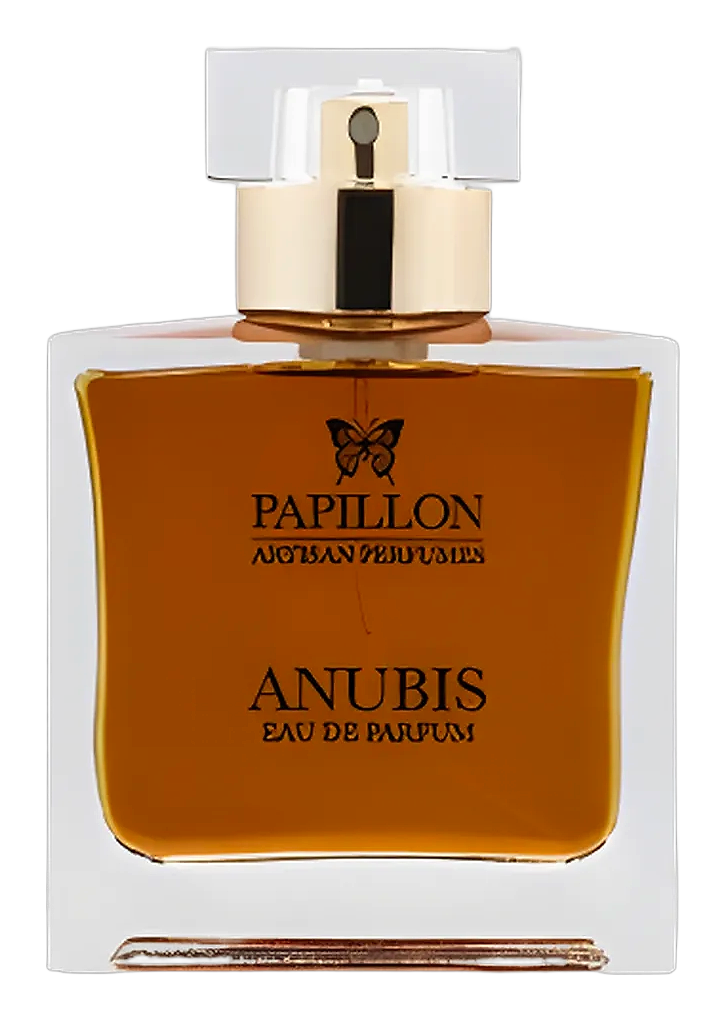
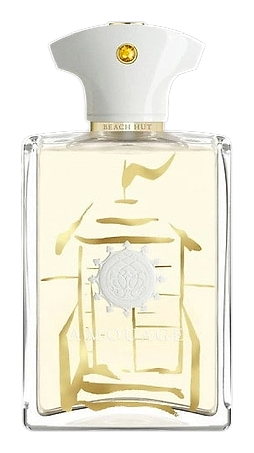
Kafka has found a place among collectors who pursue natural perfumery as a discipline rather than a passing interest. The alcohol-free, oil-based approach places it in a conversation with dense, resinous compositions that trade immediate likability for structural depth. Papillon Artisan Perfumes and Amouage appear in similar recommendation lists, houses known for the same willingness to let materials carry the weight rather than chasing crowd-pleasing openings. Where mainstream perfumery often treats fragrance as a seasonal product, built to register quickly and move on, the TRNP approach leans into something slower, more archival.