The Story
Why it exists.
The beginning
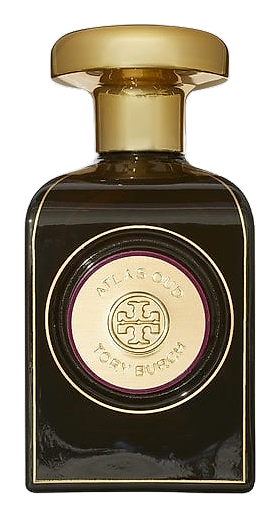
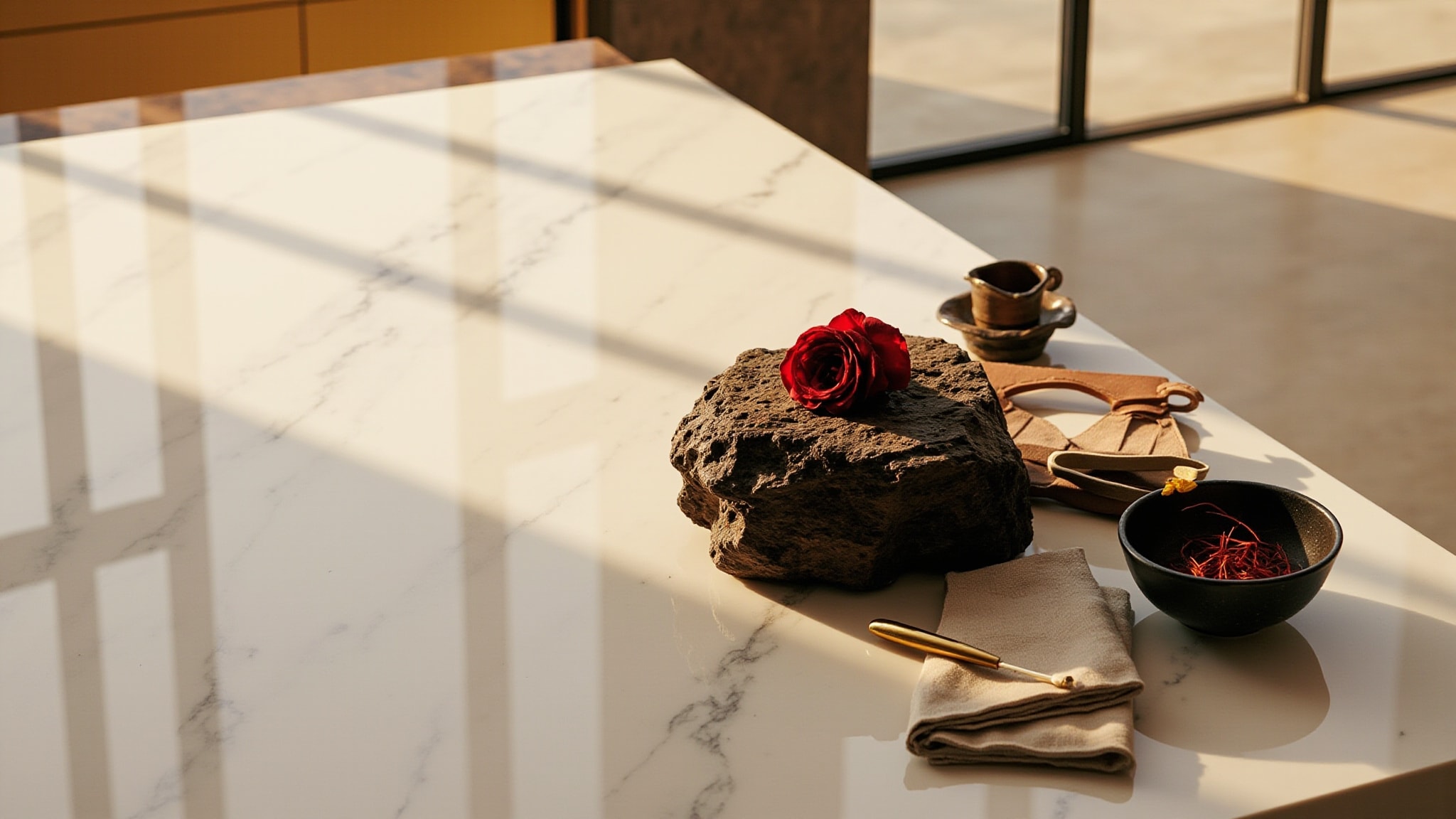
Atlas Oud is one of five fragrances in Tory Burch's Essence of Dreams collection, launched in 2024. The collection leans into Middle Eastern ingredients and blends. Atlas Oud specifically pulls from the Atlas Mountains of Morocco, drawing on saffron, cypriol, Turkish rose, and oud as its building blocks. On skin, the saffron arrives first, warm and slightly leathery in feel, almost like sun-warmed spices scattered across polished wood. The cypriol deepens that opening, adding an earthy, rooty smokiness that settles close to the skin and refuses to rush. Turkish rose unfolds next, not the candied sweetness of a bouquet but something drier, almost honeyed at the edges, threading between the smoke and the resin.
Cypriol, also called nagarmotha, is the quiet workhorse of the Top Notes. It's an earthy, woody oil distilled from a grass root, and it does for Atlas Oud what vetiver does for a classic chypre: it grounds everything without announcing itself. Pair it with saffron, and you get something almost mineral, almost metallic at the opening. The oud in the heart isn't the barnyard, animalic variety. It's a smoother, resinous kind, one that lets the Turkish rose do the talking while oud does the holding. Vanilla and labdanum (cistus) close it out, adding a resinous sweetness that keeps the composition from feeling austere.
The evolution
The first ten minutes are all saffron and cypriol, smoky and a little raw, with a metallic edge that catches you off guard. It's the most unexpected part of Atlas Oud, and it fades relatively fast. By the thirty-minute mark, the rose arrives, but it doesn't arrive alone. Oud is already threading through it, giving the floral a darker cast. The heart holds for a solid two to three hours, and it's the most wearable phase: warm, resinous, slightly sweet, but grounded. The drydown is where Atlas Oud settles into its true shape. Vanilla and labdanum take over, and the composition turns creamy, almost amber-like, with just a whisper of rose still hanging on. It lingers close to skin for hours after that, more like a memory than a statement.
Cultural impact
Atlas Oud draws from a tradition of oud-centered perfumery that has long lived outside the Western designer mainstream. Cypriol oil, known in India as nagarmotha, brings a smoky, vetiver-adjacent dryness that anchors the composition, while saffron lends its warm, leathery bitterness to the opening. Turkish rose threads through the middle, treated here less as a romantic floral and more as a spiced, honeyed accent that bridges the resinous top and base. The result is a fragrance that treats these ingredients as collaborators rather than exotic accents.