The Story
Why it exists.
The beginning
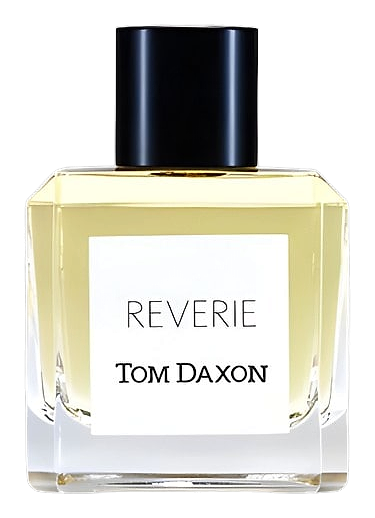
Reverie arrived in 2013 as part of Tom Daxon's debut collection, a lineup built around the idea that raw materials, handled honestly, need no decoration. Named for a state of daydreaming, the fragrance translates that looseness into scent structure: an opening sharp enough to pull attention, a heart that softens everything, and a finish with more texture than the first impression promises. The perfumer was working within a house that had already staked its identity on ingredient clarity, not performance, not theater, just the material doing what it does. That year, 2013, saw six other fragrances release alongside Reverie. The house was defining itself in real time, and Reverie became the test case for what happens when you place something cool and something warm in the same composition and let them argue. The name Reverie matters. Not a place, not a person, not a season, a mental state. This is a fragrance that asks what it feels like to drift.
Iris sits at the center of Reverie like a room divider. On one side: the sharp, almost medicinal opening of artemisia and elemi resin, camphor, bitterness, the smell of something just opened. On the other: the warmth building underneath, benzoin and oud making their case slowly. Most iris fragrances lead with powder. Reverie delays it. The heart note, pure iris, doesn't arrive immediately. First you get the opening's herbal punch, then the iris softens the whole composition from within. It's not powdery at first. It becomes powdery. The ambroxan in the base reinforces this trajectory: it's marine, slightly salty, clean in a way that contrasts with the dark woods underneath.
The evolution
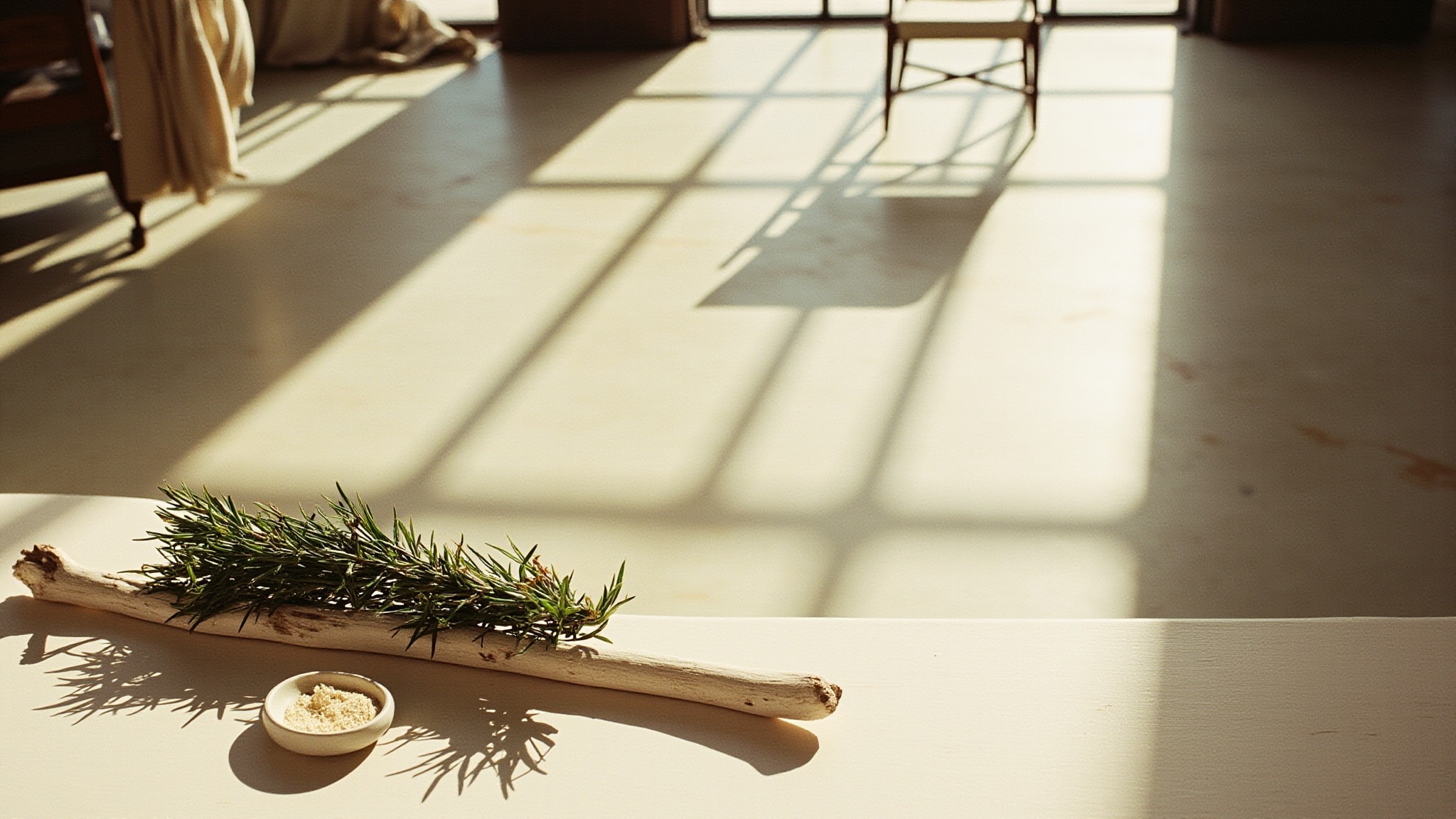
The opening hits clean, rosemary and ginger give a quick, herbaceous brightness that artemisia sharpens into something almost astringent. This phase reads cool and analytical. It lasts about twenty minutes on most skin. Then the hand-off. The rosemary recedes, the ginger softens into a warmth that sits just above the skin, and the iris arrives, not announced, just present. This is the quiet middle third. The fragrance could be anything right now. Powder, skin, warm cotton. This phase lasts the longest: three to four hours of close, elegant wear. The drydown is where Reverie earns its name. The oud doesn't announce itself, it surfaces slowly, dark and resinous. Cypriol adds an earthy undercurrent. The ambroxan keeps the whole thing from getting heavy. Then, at the end, a faint leather note appears like something you'd only notice if you were paying attention. That's the unexpected part. That's the reverie. On clothes, Reverie lingers into the next day, a faint, warm trace that smells less like fragrance and more like something that happened.
Cultural impact
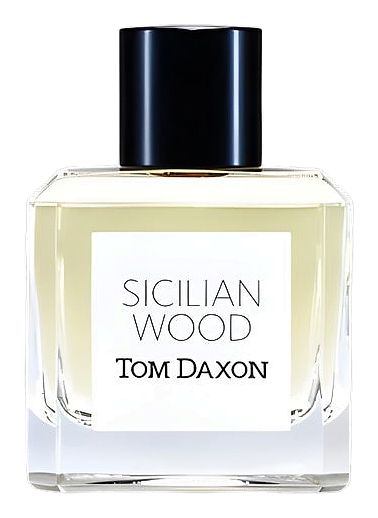
Reverie sits within Tom Daxon's 2013 debut alongside Salvia Sclarea, Sicilian Wood, and Resin Sacra, a collection that positioned the house as the anti-theatrical alternative in a market drawn to performance. The fragrance attracts wearers who want ingredient clarity over spectacle. Its synthetic character, the ambroxan lift, reads as intentional honesty rather than compromise. Among Tom Daxon's library, Reverie occupies the cool-warm tension that the house has never fully resolved, and that's the point.