The Story
Why it exists.
The beginning
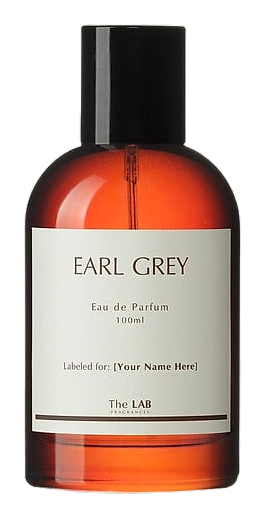
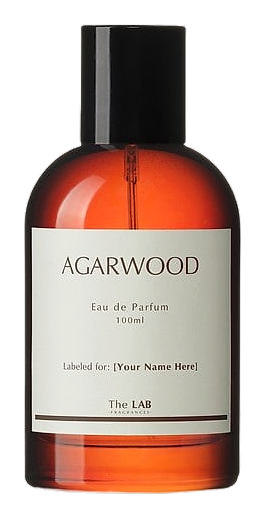
Agarwood arrived in 2017 from The Lab Fragrances, a niche label that makes standard house fragrances. The composition was named for what it leads with: one of the most precious raw materials in a perfumer's arsenal, the resinous heartwood prized across cultures. The composition reads as a deliberate study in contrast. Palisander rosewood, cardamom, and pepper open with aromatic heat and spice, bright enough to catch attention before the oud arrives. This is a cleaner, more linear agarwood, paired with sandalwood and vetiver for structural balance, then anchored with vanilla, amber, and tonka. The opening spices give it presence without leaning on the dense, heavy direction some oud fragrances take. There's a deliberate choice here to let the wood breathe.
What makes this composition worth a second look is the restraint. The wood stays present throughout the wear, but it never overwhelms. The cardamom and pepper do unusual work at the top: they don't just decorate the opening, they establish a rhythm of warmth that carries through the heart and prevents the oud from going monolithic. That warmth keeps traveling. Even as the composition shifts toward its smokier middle phase, the spice signature lingers underneath, reminding you that this isn't built like a traditional oud. The base is where the quiet confidence lives.
The evolution
The first thirty minutes belong to the spice. Cardamom and pepper push forward with a dry, almost crackling heat, and the palisander rosewood underneath adds a creamy, woody current that keeps the opening from feeling thin. It smells like the first few minutes of a fire, before the flames settle, when the wood itself is just starting to warm. Then the agarwood arrives, and the temperature drops several notches. The smoke thickens but loses its bite. Sandalwood joins underneath, adding a lactonic softness, and the vetiver introduces a green, earthy thread that prevents the composition from sinking entirely into sweetness. This middle phase is where the fragrance earns its name: the agarwood is unmistakable, resinous and deep, but tempered by the cooler woods around it. The interplay is genuinely worth noting.
Cultural impact
Agarwood sits at the intersection of Eastern material tradition and Western independent perfumery. It uses one of the most storied ingredients in fragrance history, agarwood itself, but treats it with a lighter hand than many compositions that feature this material. For wearers who want oud without committing to the heaviest traditional presentations, this offers a cleaner, more linear take. It reads as warm and smoky but never overwhelming, which has made it a fragrance that gets revisited rather than worn once and shelved. The composition makes agarwood approachable without diluting what makes the ingredient special.