The Story
Why it exists.
The beginning
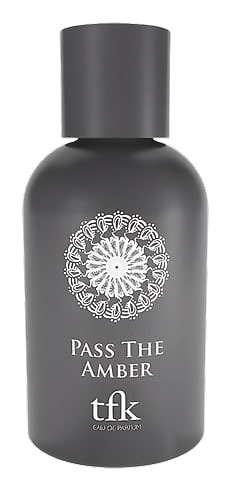
Pass The Amber tests an unusual corner of the amber vocabulary. Floral, powdery, green around the edges, it leans chypre in a way that sets it apart from most compositions wearing that label. The galbanum opens with a cool, slightly bitter vegetal snap, almost metallic in the first few seconds, and that greenness refuses to disappear as the heart unfolds. Carnation and ylang-ylang soften the edges without burying them, introducing a creamy, spiced sweetness that tempers the sharper top notes. As the hours pass, the green recedes but never fully leaves, leaving a trail that reads more like a field after rain than a dense resinous cloud. The name passes the amber quietly, letting the supporting cast do the work instead of pushing the expected warmth to the front.
Pass The Amber does something unexpected with a note list that includes the word amber. Galbanum anchors the opening, a green note with a bitter, almost metallic bite that announces itself immediately and lingers longer than you'd anticipate. The carnation and ylang-ylang in the heart then introduce a powdery floral depth, clove-spiced on one side, ripe and almost custardy on the other. The interplay between galbanum's cool sharpness and the heart's soft warmth creates a tension that holds attention through the first hour.
The evolution
The first ten minutes are all galbanum. Sharp, sappy, a bit like crushed leaves between fingers, with lemon and orange underneath adding brightness rather than sweetness. By the thirty-minute mark the green starts to recede, and the carnation and ylang-ylang step forward, bringing a soft, clove-tinged floral warmth that reads slightly soapy, slightly powdery. Around the two-hour mark, the florals blur together into a single dusky petal impression, and the vetiver in the base finally reveals itself, dry and woody, pulling the powder back toward the ground. The drydown holds steady through hour four and into hour five on most skin: warm skin musk, a trace of vetiver, and that quiet powdery sweetness that never fully leaves. What lingers longest is the soft carnation shadow, faint by hour six but still there if you press your nose to your wrist.
Cultural impact
Pass The Amber stands out within The Fragrance Kitchen's lineup as a green, powdery, chypre-leaning composition that trades heaviness for clarity. Where much regional perfumery leans into dense resins and sweet ambers, this release pulls in the opposite direction, opening with galbanum's sharp, almost metallic bitterness and letting that greenness carry well into the heart. The carnation and ylang-ylang build a powdery softness over the top, but they never fully tame the vegetal bite beneath, and that tension is what gives the fragrance its character.