The Story
Why it exists.
The beginning
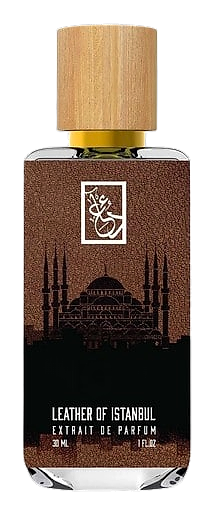
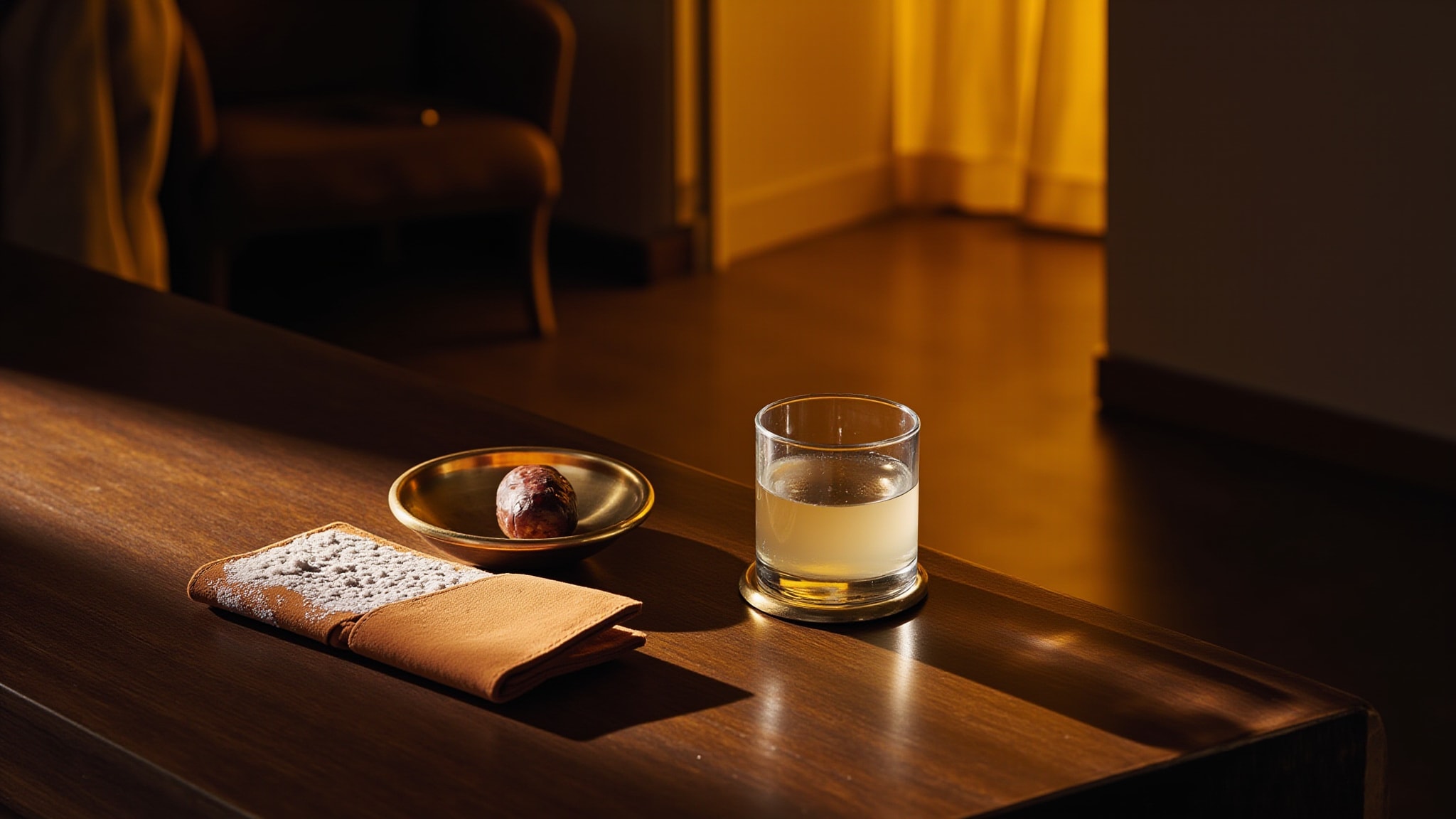
Leather of Istanbul arrived in 2022 as part of The Dua Brand's Inspired Expression collection, a line built around reinterpreting niche compositions for a wider audience. This one sets its sights on Turkish Leather by Pryn Parfum, pulling from the same cultural well: the bazaars, the back rooms, the after-dinner hours where leather and sweetness stop being opposites. Dates, loukhoum, oud, and raki form the core, four ingredients that sketch Istanbul without needing to draw the map. It's a gourmand leather built on contrasts, soft and sharp at the same time, sweet and structured.
What makes this composition unusual is the collision of raki with dessert notes. Raki brings anise and grape must, the licorice-adjacent bite of Turkey's national spirit, and it lands here between dates and loukhoum like a question mark in a sentence full of periods. Suede and leather provide the frame, incense and labdanum add smoke, and oud anchors everything with its animalic weight. The result reads gourmand without losing the leather category, which is harder to pull off than it sounds.
The evolution
The first thirty minutes are a negotiation. Raki's anise lifts off first, sharp and almost medicinal, while the loukhoum and dates start building underneath. Then the suede arrives, and the whole thing softens into something that smells like a leather bag left open near a tray of Turkish delight. By the two-hour mark, the leather has settled into suede territory, smooth and close, with cacao adding a dry cocoa edge rather than chocolate sweetness. The oud never shouts. It sits low, grounding everything, and by hour four the drydown is warm, spiced, and intimate, allspice and labdanum with a faint trace of the dates from earlier. On fabric, a faint sweetness lingers into the next morning.
Cultural impact
Leather of Istanbul arrived in 2022 from The Dua Brand, a Los Angeles-based house that has built much of its catalogue around inspired expressions of harder-to-source originals. By centring the bottle on raki, dates, loukhoum, and suede rather than the more familiar oud-and-tobacco Eastern template, the release pulled a specific Anatolian mood into a Western indie market that had largely only seen Turkish-inspired perfumery through smoky rose lenses. The raki note in particular is unusual in commercially available fragrances outside of Turkey, and its prominence here introduced a homemade interpretation of anise, grape must, and aperitif culture to a wider online audience.