
The Story
Why it exists.
The beginning
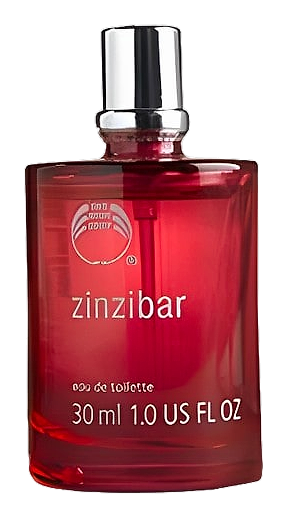
Zanzibar, the archipelago off Tanzania's coast, has been a crossroads of trade for centuries. Cloves, nutmeg, cinnamon: the air there carries spice. Zinzibar the fragrance, launched in 2004, was The Body Shop's attempt to bottle that energy: not literal Zanzibar, but the idea of it, the bright, the sharp, the warming, all arriving together on skin.
What makes Zinzibar unusual in the Body Shop catalogue is the ginger dominance. It isn't a supporting note, it is the opening statement. Four top notes arrive at once: bergamot, ginger, lime, tangerine. The heart doubles down on ginger while introducing cardamom and black pepper, so the warmth builds rather than softens. The base is cedar and sandalwood, woody without heaviness. The structure is simple, but the ginger-to-cardamom thread gives it character.
The evolution
The opening is the event. Bergamot and tangerine lift the ginger, which arrives clean and bright, not cooked, not candied. You feel it in the sinuses. Within ten minutes the lime fades and the cardamom steps forward, adding a warm spice that shifts the mood from morning to afternoon. The freesia is subtle, floral but not sweet, it buffers the pepper more than it announces itself. The drydown is cedar and sandalwood close to the skin, intimate, the kind of warmth that someone next to you might notice before you do. By the third hour, the fragrance is nearly gone on most wearers, a quiet exit after a bright entrance.
Cultural impact
Zinzibar sits within The Body Shop's broader fragrance catalogue, a brand that attracted consumers drawn to ethics as much as scent. Released in 2004, it landed during a period when mass-market fragrance was dominated by sweet florals and orientals. Its ginger-forward, relatively transparent structure positioned it differently: lighter, spicier, more aromatic. The fragrance is now discontinued, which has given it a cult following among collectors who remember it as one of the brand's most distinctive compositions.