The Story
Why it exists.
The beginning
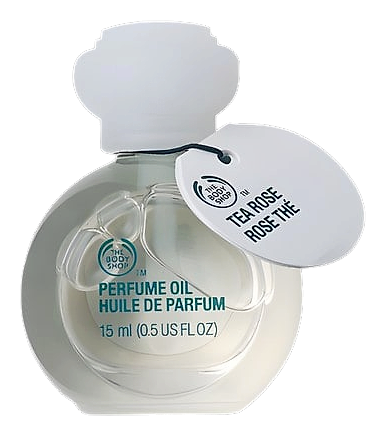
Tea Rose belongs to The Body Shop's perfume oil line, a format that suits the fragrance's philosophy perfectly: a single botanical idea, concentrated and intimate, applied to pulse points where the warmth of skin can do the rest of the work. The oil carrier means the scent sits close rather than broadcasting, a quiet gesture rather than a cloud. The name tells you what you're getting. This isn't a rose buried under oud and saffron and a dozen other things competing for attention. It's tea rose, the cultivar with that cool, almost cucumber-edged petal character, dressed lightly with geranium and violet and nothing else standing in the way. The composition is built around clarity.
What's striking is the restraint. Tea Rose builds a small, well-proportioned room and leaves the door open. Geranium does the structural work, its green, slightly bitter leaf character keeping the rose from collapsing into sweetness. Violet adds the powder, the old-fashioned softness, the sense of something that has been sitting in a vanity drawer for decades. The interplay between the three notes is genuinely simple, and that simplicity is what gives the fragrance its clarity. The composition makes a confident choice by skipping a traditional base layer.
The evolution
On skin, Tea Rose behaves the way a good garden behaves: it changes, but it doesn't leave. The first 15 minutes are the greenest, geranium pushing through with that herbal, almost tomato-leaf quality that makes real rose smell real. Violet arrives within 20 minutes, powdery and quiet, like someone opened a vintage compact in the next room. The transition into the heart phase is gradual rather than dramatic. The geranium recedes. The rose deepens into something warmer, less petal-fresh and more like rose water left in a shallow bowl, the kind of scent that settles into a room rather than announcing itself. Violet becomes the dominant voice for a while, giving the composition its dusty, makeup-bag character, a softness that reads almost like iris even though the note list doesn't include it. Then the drydown, and this is where Tea Rose earns its reputation for sticking power.
Cultural impact
Tea Rose has earned a quiet following among wearers who appreciate single-flower fragrances done with restraint, a category of perfumery that emphasizes one botanical note supported by a small cast of companions rather than a complex multi-accord composition. Wearers describe it as a straightforward, unembellished rose soliflore, one that delivers on the promise of its name without ornamentation or pretension. The oil format gives the fragrance an old-fashioned, almost apothecary feel, reminiscent of how perfume was worn before the dominance of spray bottles and mass-market juice.