
The Story
Why it exists.
The beginning
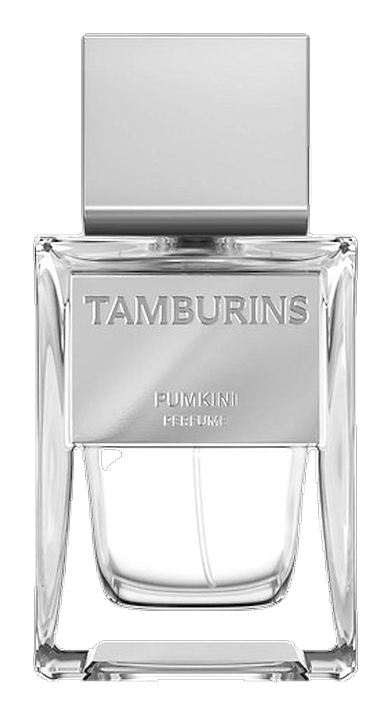
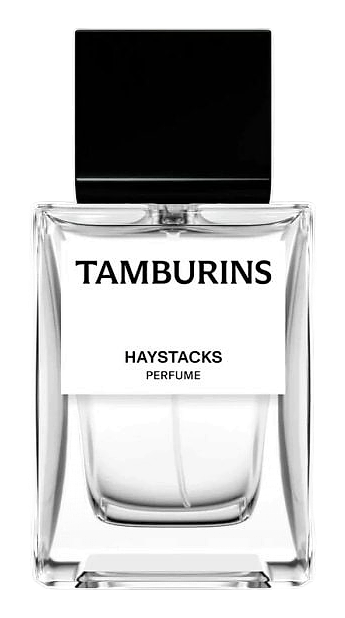
Haystacks is a fragrance from Tamburins, a brand that explores anomalous beauty through scent. The name pulls toward something agrarian, golden, stored. Cut hay, amber grain, the last warmth of late autumn before the first frost. There's an immediate pastoral weight to the word, evoking a field at the end of harvest, light catching on dried stalks. The composition reads sweet and powdery at first glance, but underneath there's a darker thread of rum and patchouli doing the real work. Heliotrope brings that almond-cherry marzipan softness, the kind of confectionary sweetness that recalls marzipan or sugared almonds left on a windowsill. The juniper opens with a bright, slightly coniferous snap, like brushing against a branch in cooler air.
The note structure is what makes Haystacks worth a second look. Juniper berry and pink pepper in the opening give it a faintly herbal snap, almost like the chill that comes off dry grass on a cold morning. The heart pulls toward heliotrope and cyclamen, two notes that lend a powdery, almond-soft sweetness without tipping into straight dessert territory. White rose threads through the middle, adding a quiet lift. The base is where the warmth lives. Rum brings a boozy, caramel-edged sweetness that feels lived-in rather than syrupy. Tonka bean reinforces that creamy, vanillic undertone. Amber wraps everything in a golden glow. Patchouli grounds it, keeps the sweetness from floating away.
The evolution
On skin, Haystacks doesn't perform a dramatic transformation. It arrives already settled, already soft. There's an immediate sense of composure to the opening, as if the fragrance skipped the loud introductory phase and settled straight into its personality. Juniper and pink pepper cut through with a peppery, slightly coniferous clarity, and the powdery sweetness of heliotrope sits right behind it. As the composition develops, it tilts toward warmth. The rum note emerges gradually, bringing that boozy caramel quality, and the cyclamen and white rose recede into the background, becoming less distinct individual notes and more of a soft floral haze. The drydown settles into tonka, amber, and a faint earthiness from the patchouli. It smells like the end of a long evening, a wool sweater, something faintly sweet still clinging to your collar the next morning.
Cultural impact
Haystacks has earned a quiet following among fragrance enthusiasts who gravitate toward its skin-close warmth. The rum-and-tonka combination reads intimate, the kind of scent that creates a small circle of presence around the wearer rather than broadcasting outward. Collectors who treat fragrance as a sensory object rather than a statement find a lot to appreciate in its composition. What gives Haystacks its particular appeal is restraint. In a fragrance landscape where bold, long-lasting compositions often get the most buzz, Haystacks holds back deliberately.