
The Story
Why it exists.
The beginning
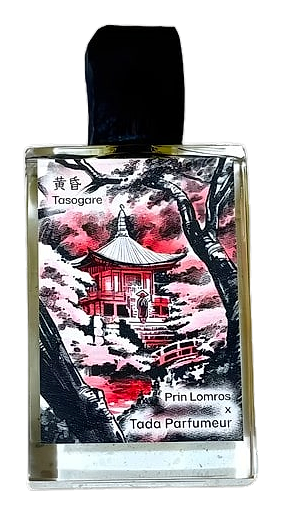
Oborotsuki takes its name from the Japanese concept of a hazy, obscured moon. The brief was simple: translate Aokigahara. Not the notoriety. The place itself, the atmosphere of that forest, the sense of something ancient and overlooked. Perfumers Tada Archawong and Prin Lomros built the fragrance around that specific quiet. Camphor arrived first, cutting through the air with a cool, medicinal clarity. The rest followed the tree line down, the composition descending through darker, more resinous accords as it develops.
What makes this work is the tension between camphor's clinical sharpness and the warmth waiting beneath it. Spikenard provides a dusty, root-like anchor that most Western noses won't immediately name, its earthiness grounded and deeply textural. Rose otto absolute appears briefly, then recedes, playing witness rather than protagonist in the composition's unfolding. Orris root in the base adds a powdery mineral quality that keeps the drydown from going fully dark.
The evolution
Camphor opens sharp enough to startle, immediately establishing the fragrance's direction. Ten minutes in, the Thai oud arrives, something resinous and contained rather than assertive. The frankincense weaves through, adding a faint smoke that reads more as memory than fire, a subtle presence that enriches without dominating. By the second hour, the rose otto emerges, delicate against the spikenard and vetiver that have been building beneath the surface. This is the forest clearing phase, everything opening up after rain, the air fresh and the composition revealing its full complexity. The base settles slowly into Australian sandalwood and patchouli, with oakmoss providing a mossy texture that clings to the skin and evolves over time.
Cultural impact
Oborotsuki arrives at a time when niche perfumery continues to expand beyond traditional boundaries. The collaboration between Bangkok-based Prin Lomros and designer Tada Archawong reflects a cross-cultural approach to scent creation, where materials and techniques from different traditions find new interpretations. Aokigahara, the forest that inspired this creation, carries a certain weight in its home context as a place of silence and reflection. By translating this imagery into olfactory form, Oborotsuki offers an atmospheric experience that prizes evocation over broad commercial appeal.